


Understanding the Environmental Impact of Blockchain Mining
Explore the environmental impact of blockchain mining. Discover how cryptocurrency mining practices affect our planet and sustainability efforts.
A Comprehensive Guide to Smart Contracts and Their Applications
Smart contracts have emerged as a transformative technology with the potential to revolutionize traditional contract processes across various industries. In this comprehensive guide, we delve into the world of smart contracts, exploring their intricacies, applications, and the impact they have on modern-day transactions. From understanding the fundamentals of smart contract technology to uncovering real-world use cases in finance, supply chain management, real estate, healthcare, and beyond, this guide aims to provide a detailed insight into the power and possibilities of smart contracts. What Is Smart Contracts? Smart contracts are self-executing contracts with the terms of the agreement directly written into code. They run on blockchain platforms, most commonly associated with decentralized platforms like Ethereum. Here are some key aspects to understand about smart contracts: Code Execution Smart contracts are programmed using a specific programming language like Solidity (in the case of Ethereum). Once deployed on the blockchain, they execute automatically when predefined conditions are met. This automation eliminates the need for intermediaries. Decentralization Smart contracts operate on decentralized blockchain networks. This means there is no central authority or intermediary involved in the execution and enforcement of the contract. The decentralized nature ensures transparency and reduces the risk of fraud or manipulation. Blockchain Technology Smart contracts are stored on a blockchain, a distributed and immutable ledger. Every participant in the blockchain network has a copy of the entire ledger, ensuring that all parties involved have access to the same information. Trustless Transactions Traditional contracts often require trust in intermediaries. Smart contracts operate in a trustless environment, meaning that participants don’t need to trust each other or a third party. The code and the blockchain network ensure the fulfilment of contractual terms. Automatic Execution When the predetermined conditions specified in the smart contract are met, the contract executes automatically. For example, if a smart contract is designed to transfer funds from one party to another upon the delivery of goods, the funds transfer will occur automatically once the conditions are satisfied. Immutability Once deployed on the blockchain, smart contracts are immutable, meaning their code cannot be altered. This ensures that the terms of the contract remain unchanged and are executed as intended. Comparison of Traditional Contracts vs. Smart Contracts Traditional contracts and smart contracts are both tools for establishing and enforcing agreements, but they differ in various aspects. Here’s a comparison between traditional contracts and smart contracts: Form Intermediaries Enforceability Trust Flexibility Speed and Automation Costs Security Examples The Compelling Advantages of Using Smart Contracts Smart contracts, with their self-executing nature and blockchain-based security, offer a range of benefits that are transforming various industries. Let’s delve deeper into these advantages: Enhanced Security and Trust Increased Efficiency and Automation Improved Transparency and Traceability Greater Accessibility and Inclusivity Potential for Innovation and New Applications Applications of Smart Contracts Smart contracts have a wide range of applications across various industries. Here are some examples: Decentralized Finance (DeFi) Smart contracts are extensively used in DeFi applications to create decentralized lending platforms, decentralized exchanges (DEXs), stablecoins, and yield farming protocols. These contracts enable automated, transparent, and secure financial transactions without the need for intermediaries. Supply Chain Management It can track and verify the movement of goods at each stage of the supply chain. They can automate tasks such as inventory management, product authentication, and payment settlements, improving efficiency, reducing fraud, and ensuring transparency. For example, a smart contract could be used to track the temperature of a shipment of food, ensuring that it has been kept at the correct temperature throughout its journey. Real Estate Facilitate real estate transactions by automating processes such as property transfers, title transfers, and escrow arrangements. They can ensure that conditions are met before funds are released, reducing the need for intermediaries and streamlining the buying and selling process. Intellectual Property Rights Smart contracts can be used to manage and enforce intellectual property rights. They can automatically issue licenses, track usage, and ensure royalty payments are made according to predefined rules, providing a transparent and efficient system for creators and users of intellectual property. Voting Systems It can be utilized to create secure and transparent voting systems. They can ensure the integrity of the voting process by recording votes on a blockchain, preventing fraud and manipulation, and providing a verifiable and auditable record of the election results. For example, a smart contract could be used to ensure that only eligible voters can cast a ballot and that their votes are counted accurately. Insurance Smart contracts can automate insurance policies, claims processing, and payouts. They can automatically execute claims based on predefined conditions, eliminating the need for manual verification and reducing the processing time. Additionally, they can enable parametric insurance, where payouts are triggered by predefined events such as natural disasters. Gaming and Digital Collectibles Smart contracts can power decentralized gaming platforms and digital collectable marketplaces. They enable the creation, ownership, and trading of unique in-game assets and digital collectables, providing provable scarcity and ownership rights to players and collectors. Energy Trading It facilitates peer-to-peer energy trading in decentralized energy markets. They allow individuals and businesses to buy and sell excess energy directly with each other, creating a more efficient and transparent energy market. Healthcare Smart contracts can improve the security and privacy of healthcare data by enabling patients to control access to their medical records. They can also automate processes such as insurance claims, medical billing, and supply chain management in the healthcare industry. Financial Services Smart contracts can be used to automate payments, escrow services, and loan processing. For example, a smart contract could be used to automatically release funds to a seller once a buyer has received and accepted the goods. Implementing Smart Contracts Implementing smart contracts involves several steps and considerations. Here’s a general guide on how to implement smart contracts: Define Requirements Clearly define the requirements and objectives of the smart contract. Determine the specific conditions, actions, and participants involved in the agreement. Choose a Blockchain Platform Select a suitable blockchain platform for deploying your smart contract.
The Role Of Blockchain In Combating Fraud
Blockchain technology has emerged as a powerful tool in the fight against fraud. With its decentralized and immutable nature, blockchain offers immense potential to revolutionize various industries, including finance, supply chain, and healthcare. In essence, blockchain acts as a digital ledger that records transactions in a transparent and secure manner. By eliminating the need for intermediaries and ensuring data integrity, blockchain enhances trust and reduces the risk of fraud. Its ability to provide a verifiable and tamper-proof record of transactions makes it an ideal solution for combating fraud. As more organizations recognize blockchain’s benefits, its adoption is expected to grow exponentially, leading to a safer and more transparent digital ecosystem. Whether it is preventing identity theft, ensuring the authenticity of products, or safeguarding sensitive information, blockchain can reshape how we combat fraud, benefiting everyone. Overview Of Blockchain Technology Blockchain is a revolutionary technology that fundamentally transforms how information is stored, and transactions are conducted. It is a decentralized and distributed ledger system that enables secure, transparent, and tamper-resistant record-keeping. Unlike traditional centralized databases, blockchain operates on a peer-to-peer network, where each participant (node) has a copy of the entire chain of transactions. These transactions are grouped into blocks linked through cryptographic hashes, forming a continuous chain. Here’s what makes blockchain unique: Fraud and Various Types of Fraud Fraud, unfortunately, permeates almost every aspect of our lives. It’s about deception used to gain something of value, often financial, through dishonesty. Understanding its various forms is crucial for protecting yourself and mitigating its impact. What is Fraud? Fraud involves deception aimed at gaining something valuable, often financial, through dishonesty. This can involve: Frauds and Their Impact on Businesses Frauds can have significant and far-reaching impacts on businesses, affecting various aspects of their operations, finances, and reputation. Here are some key ways in which fraud can impact businesses: Financial Losses One of the most direct and immediate impacts of fraud is financial loss. Whether embezzlement, misappropriation of funds, or other fraudulent activities, businesses can suffer substantial monetary damages. Erosion of Trust Fraud damages the trust between employees, management, and stakeholders. When uncovered, it can lead to a breakdown in trust within the organization and erode customers’, investors’, and partners’ confidence in the business. Reputational Damage Fraud can tarnish a company’s reputation, making attracting and retaining customers difficult. Negative publicity associated with fraudulent activities can lead to a loss of credibility in the marketplace. Legal Consequences Businesses involved in fraud may face legal consequences, including fines, lawsuits, and regulatory penalties. Legal actions can be time-consuming and expensive, further impacting the organization’s financial health. Operational Disruption Fraud investigations and the aftermath can disrupt normal business operations. Resources may be diverted to address the issue, impacting productivity and potentially leading to employee turnover. Increased Costs of Compliance After a fraud incident, businesses often face increased scrutiny and may need to invest in enhanced compliance measures to prevent future occurrences. This can result in higher operational costs. Loss of Intellectual Property In corporate espionage or intellectual property theft cases, businesses can lose valuable proprietary information, leading to a competitive disadvantage in the marketplace. Impact on Stock Value Revelations of fraud can lead to a decline in stock value for publicly traded companies. Investors may lose confidence in the company’s ability to generate returns, which can negatively impact shareholder value. Employee Morale and Productivity The discovery of fraud can create a stressful and uncertain work environment. Employee morale may suffer, leading to decreased productivity and collaboration within the organization. Supply Chain Disruptions Fraud in supply chain management can lead to disruptions in the procurement and distribution processes. This can affect the timely delivery of products and services, impacting customer satisfaction. Increased Security Costs Businesses may need to invest in enhanced security measures, such as cybersecurity measures, surveillance systems, and employee training, to prevent and detect fraud. Loss of Business Opportunities A tainted reputation resulting from fraud can lead to losing business opportunities, partnerships, and contracts. Other businesses may be reluctant to engage with a company with a history of fraudulent activities. How Blockchain Technology Works Blockchain is a decentralized and distributed ledger technology that allows multiple parties to have a secure and transparent record of transactions without the need for a central authority. The fundamental components of a blockchain include blocks, transactions, nodes, consensus mechanisms, and cryptographic hash functions. Here’s a simplified explanation of how blockchain works: Blocks Transactions are grouped together in blocks. Each block contains a list of transactions, a timestamp, and a reference to the previous block. Decentralization Instead of having a central authority (like a bank or government) controlling the entire system, blockchain operates on a decentralized computer network, often called nodes. Each node has a copy of the entire blockchain. Transactions Users initiate transactions, which are broadcast to the network. These transactions need to be verified before being added to a block. Verification Nodes on the network validate transactions using predefined rules. This verification process ensures that the transaction is legitimate and hasn’t been tampered with. Consensus Mechanism Once transactions are verified, the network must agree on the order in which they are added to the blockchain. This is achieved through a consensus mechanism, such as Proof of Work (used in Bitcoin), Proof of Stake, or other consensus algorithms. Consensus mechanisms ensure that all nodes in the network reach a common agreement on the state of the blockchain. Cryptographic Hash Functions Each block contains a unique identifier, a cryptographic hash, generated by a hash function. The hash of a block is based on its content and the previous block’s hash. This creates a secure, tamper-resistant link between blocks. If someone tries to alter the data in a block, it will change the hash. Since each block refers to the previous block’s hash, changing all subsequent blocks would make it computationally infeasible. Immutable Ledger It is difficult to alter or remove once a block is added to the blockchain. This immutability ensures the integrity of the transaction history. Role Of Blockchain In Combating
The Role of Sidechain Technology in Blockchain Networks
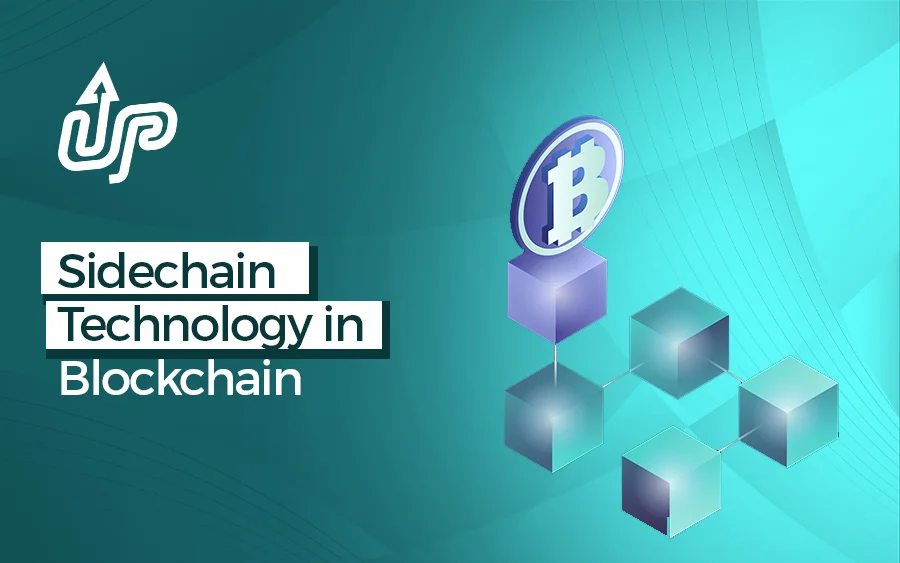
Discover how sidechains enhance scalability, security, and interoperability in blockchain ecosystems, with a glimpse into future developments.
Cryptocurrency Options: Atomic Swaps or Traditional Exchanges?
Discover decentralized trading with Atomic Swaps, revolutionizing crypto exchanges. Compared to traditional platforms for informed investing decisions.
Anti Money Laundering (AML) Compliance in Cryptocurrency
Discover essential strategies and practices to ensure Anti Money Laundering (AML) compliance in the cryptocurrency industry.