


ASIC Grants Class Relief for Stablecoin Intermediaries

The Australian Securities and Investments Commission (ASIC) has introduced new regulatory relief for intermediaries handling certain stablecoin products, a move aimed at clarifying requirements for digital asset distribution in the country. Under the class relief, intermediaries will be allowed to engage in the secondary distribution of stablecoins issued by Australian financial services (AFS) licensees without holding additional market, clearing or settlement facility licences. The measure is designed to reduce overlap in licensing obligations while maintaining consumer protection standards. Scope of the Relief The exemption applies only to stablecoins issued by entities with an AFS licence. ASIC confirmed that intermediaries relying on the relief must provide clients with the product disclosure statement prepared by the issuer, if one exists. The regulator emphasised that the initiative does not relax licensing standards for issuers themselves. Stablecoin providers must still obtain an AFS licence before their products can qualify. ASIC said it will review extending the relief as more licensed issuers emerge in the market. According to the regulator, the relief will take effect once registered on the Federal Register of Legislation. Until then, existing licensing obligations remain in place. Balancing Innovation and Oversight ASIC said the decision reflects its approach to “responsible innovation” in the digital assets sector. The commission has consistently noted the importance of regulatory certainty as digital payment tools and tokenised assets gain wider use. By focusing the relief on intermediaries rather than issuers, ASIC seeks to streamline compliance for firms that facilitate trading and distribution, while preserving oversight of entities directly responsible for issuing stablecoins. The announcement marks the first time ASIC has granted this type of class relief in connection with stablecoins. The regulator has not specified how many issuers are currently eligible, but noted that additional providers could qualify once licensed under the AFS framework. Next Steps for Industry Market participants welcomed the clarity around distribution rules, though the exemption carries obligations for intermediaries to ensure disclosure documents are available to clients. Industry observers said the measure could encourage greater participation in the regulated stablecoin market by reducing duplicative licensing hurdles. ASIC stressed that consumer safeguards remain central to its approach. Stablecoins covered by the relief must still meet the financial and compliance standards tied to the AFS licensing regime, including oversight on product disclosures and investor protections. The relief is set to come into force following its registration, providing a framework that may expand as more stablecoin issuers gain licences.
The Top Privacy Coins You Should Know in 2026

When you conduct a cryptocurrency transaction, everything is recorded on a public ledger. From the transaction ID to your wallet address, the receiver’s address, and the amount sent, this data is visible to anyone with access to the blockchain. While this transparency ensures trust, it also opens the door to potential tracking, profiling, and privacy concerns, especially if you value keeping your financial activities discreet. This is where privacy coins come into focus. Unlike Bitcoin or Ethereum, privacy-focused cryptocurrencies are built to shield your identity and transaction history. They employ advanced cryptographic techniques to conceal sender and receiver addresses, transaction amounts, and sometimes even the transaction itself. In this post, we highlight the top privacy coins you should know in 2026. But first, let’s briefly explain what a privacy coin is, for those who don’t know. Key Takeaways What Is a Privacy Coin? Source: Freepik A privacy coin is a type of cryptocurrency explicitly built to enhance the privacy and anonymity of transactions. Unlike standard cryptocurrencies like Bitcoin or Ethereum, which have publicly visible transaction details, privacy coins employ specialized technologies to conceal critical data, making it difficult or nearly impossible to trace the flow of funds between users. For example, a Bitcoin transaction records the following information on the blockchain: Now, imagine someone analyzing multiple transactions linked to the same address—they can build a detailed picture of your activity. Privacy coins address this issue by utilizing features such as stealth addresses, ring signatures, and zero-knowledge proofs to obscure these data points, making it nearly impossible to trace the movement of funds. 12 Top Privacy Coins Source: Ideogram Monero (XMR), launched in 2014, is the most recognized and highest-capped privacy coin, with a market capitalization of $3.99 billion and a trading price of $216.76. Built on its blockchain, Monero is designed for complete anonymity and untraceable transactions. It utilizes stealth addresses, ring signatures, and RingCT to conceal the sender, receiver, and transaction amounts. The network operates on the CryptoNight consensus algorithm, a proof-of-work model that discourages mining centralization by making it ASIC-resistant. Monero is widely used for private payments across peer-to-peer platforms and online services that prioritize user privacy. While decentralized and community-driven, it continues to benefit from strong developer support and integrations with privacy-focused wallets and payment processors, cementing its place as a leader in financial confidentiality. On October 28, 2016, Zcash (ZEC) was launched as a privacy-focused cryptocurrency, built on the Bitcoin blockchain codebase. Still, with a key difference: it employs zk-SNARKs (zero-knowledge succinct non-interactive arguments of knowledge) to ensure complete transaction privacy. Zcash enables users to conduct shielded transactions, concealing the sender and recipient details, as well as the transaction amounts. The coin has a total circulating supply of 15.88 million ZEC and is currently priced at $30.84 with a market cap of $490.38 million. Zcash’s proof-of-work network is secured using the SHA-256 hash function, aligning with Bitcoin’s security model. It has gained backing from notable investors and partners, including the Zcash Foundation and the Electric Coin Company, positioning it as a strong player in the privacy coin market. Worldcoin (WLD) is a privacy-focused cryptocurrency built on the Ethereum blockchain, leveraging the security of Ethereum’s Mainnet and Optimism’s Layer 2 network. Its core use case is to establish the world’s largest identity and financial network, enabling users to verify their humanness online through World ID—an innovative privacy-preserving global identity system. Worldcoin’s unique approach utilizes the Orb, a device that scans users to create World IDs without storing personal data, ensuring privacy via zero-knowledge proofs. At the time of writing, WLD is priced at $0.7767, with a market capitalization of $1 billion and a circulating supply of 1.29 billion WLD. The project is backed by strategic partnerships, including collaborations with independent Orb operators, which strengthens its goal of providing ownership and access to everyone. Almost similar to Zcash, Dash (DASH) is built on a blockchain that prioritizes privacy and fast transactions. Launched in 2014 as a fork of Litecoin, Dash combines a two-tier network with incentivized masternodes for enhanced functionality. Its use case revolves around offering quick, private transactions for users, supporting features like InstantSend for rapid payments and PrivateSend for additional transaction privacy. Dash’s market cap is $253.94 million with a circulating supply of 12.22 million DASH, priced at $20.74. Dash’s backing includes strong developer support and strategic partnerships with major payment processors and businesses. Its blockchain is secured by a unique X11 hashing algorithm and proof-of-service consensus, ensuring both privacy and reliability, making it a top contender in the privacy coin space. Launched in 2018, Beldex (BDX) is designed to enhance data protection and confidentiality in the Web3 ecosystem. Built on the Beldex decentralized blockchain, BDX facilitates secure transactions and supports private, decentralized applications like BChat, BelNet, and the Beldex Browser. Initially operating on a Proof-of-Work (PoW) model, Beldex transitioned to Proof-of-Stake (PoS) in 2021 to improve scalability, reduce transaction times, and lower fees. The Beldex ecosystem provides advanced privacy features, including anonymized transactions and data transfers, ensuring complete confidentiality for users. Currently priced at $0.06727, with a market cap of $482.01 million and a circulating supply of 7.14 billion BDX out of a total supply of 9.93 billion BDX, Beldex continues to attract attention for its innovative approach to privacy and security in digital interactions. Decred (DCR) is a privacy coin built on its own hybrid blockchain, combining Proof-of-Work (PoW) and Proof-of-Stake (PoS) to create a decentralized and self-governing platform. With its focus on governance, Decred enables stakeholders to vote on key protocol decisions, making it a community-directed project. Its use case centers around providing a more secure, adaptable, and sustainable digital currency, positioning itself as a long-term store of value. Decred’s features include fast transactions, low fees, and enhanced privacy options through technologies like CoinShuffle++ and the ability to mix coins for greater anonymity. Backed by a strong community, Decred has strategic partnerships with major players in the crypto space. As of the time of writing, the price is $12.73, with a market
Use a Crypto Card at an ATM? Everything You Need to Know
Cryptocurrencies have rapidly become a cornerstone of modern financial conversations, evolving into one of the most sought-after forms of currency. As digital currencies become more integrated into everyday transactions, many are curious about their practicality within conventional banking systems, especially using crypto cards at ATMs. This blog post aims to demystify the use of crypto cards at ATMs, providing a comprehensive guide on how they work and what you need to know about this innovative financial tool. Related: How to Transfer Funds from Crypto Card to Fiat Wallet in 2025 Key Takeaways Can You Use a Crypto Card at an ATM? Image Source: Pixabay Yes, you can use a crypto card at an ATM, but there are some important nuances to understand. The ability to do so largely depends on the card issuer and the specific ATM’s capabilities. Most crypto cards backed by Visa or Mastercard can be used at any ATM that accepts these payment networks. This allows you to withdraw cash from your cryptocurrency balance, effectively converting your digital assets into local currency. However, it’s important to note that using a crypto card at an ATM involves selling a portion of your cryptocurrency to obtain fiat currency (such as USD, EUR, etc.). The conversion rate at the time of the transaction determines how much of your digital currency is sold to cover the withdrawal amount. How It Works When you insert your crypto card into an ATM and request a withdrawal, the following process typically occurs: However, it’s important to note that fees may apply when using a crypto card at an ATM, including withdrawal fees, transaction fees, and potentially unfavorable exchange rates compared to those available on cryptocurrency exchanges. Read Also: Best Places to Spend Crypto in Uruguay Main Types of Crypto Cards Crypto debit cards ByBit, Coinbase, and Gemini are a few of the many examples of credit cards that are available. These cards work like traditional debit cards but link to your cryptocurrency holdings on an exchange or crypto wallet instead of a bank account. You can preload the card with crypto, and when you make a purchase, the crypto is converted to fiat currency (like US dollars or Euros) at the point of sale to cover the cost. Related: Can You Use Crypto Credit Cards Anywhere? Crypto credit cards Cards like Venmo and SoFi are good examples of credit cards, but these cards are less common than debit cards. Instead of rewarding points or cashback redeemable for fiat currency, these cards reward you in cryptocurrency, functioning similarly to traditional credit cards. You use the card to make purchases and then repay the balance in either fiat currency or crypto. The Advantages of Using Crypto Cards at ATMs Image Source: iStock Crypto cards make converting your crypto assets into cash at hand seamlessly easy. These innovative tools bridge the gap between digital currency and traditional cash, making it simple to spend your digital funds. Here’s why you might want to consider using a crypto card. Quick and Easy Access to Your Cash With a crypto card, accessing your money is simple. As long as you have cryptocurrency linked to your card, you can head to an ATM that supports the payment network (such as Visa or Mastercard) that your crypto card uses anytime you need cash. Shopping Made Simple This one is a game-changer. Use your crypto debit card just like a regular debit card. Whether you’re shopping online or in-store, your funds are always accessible. Your digital coins can now buy you anything from a cup of coffee to your favorite gadgets, all without the hassle of conversions. It’s your money, accessible on your terms. Related: How do I Use my Virtual Crypto Card? Easily Track Your Spending It’s easy to lose track of where your money has gone by the end of the month. This is why crypto cards come with apps or online tools that help you track your spending easily with your phone. You get real-time updates on where your cash is going, helping you stay on top of your finances without breaking a sweat. Borderless Transactions Globe-trotter? Crypto cards are your new best friend. Skip the hassle of foreign exchange and currency conversion and use your card worldwide. It’s a lot easier and often cheaper than traditional banking routes, letting you enjoy your adventures without financial issues. Privacy In a world where online privacy is gold, crypto cards give you an extra layer of anonymity. When you spend your digital coins, you keep your personal bank account private, ensuring greater privacy for your transactions. It is fitting for those who prefer to keep their financial transactions private. Considerations and Tips Image Source: iStock To successfully withdraw using your card, it’s important to be aware of a few key tips that can guide you through the process. Here are the tips: Check Compatibility and Fees: Before attempting to use your crypto card at an ATM, verify that it is compatible with the ATM’s network (Visa, Mastercard, etc.) and be aware of any applicable fees. Be Aware of the Conversion Rates: The conversion rate from cryptocurrency to fiat currency can fluctuate significantly. Check the current rate and understand how they calculate it before you withdraw. If you’re not comfortable with the rate, you have the option to cancel or terminate the transaction or withdrawal process. Security Precautions: As with any financial transaction, ensure you use ATMs in safe, well-lit locations and protect your PIN and card information. Wrapping Up Using a crypto card at an ATM is a great way to connect traditional banking with the new world of cryptocurrencies, giving you an easy way to turn your digital money into cash. As more people adopt cryptocurrencies, the use and acceptance of crypto cards are expected to increase, making digital currencies a more common part of everyday spending. Read Also: Can You Buy Crypto With a Gift Card? Whether you’re well-versed in cryptocurrencies or just starting, knowing you can use a
RedotPay Affiliate Program: Benefits, Requirements & Commission
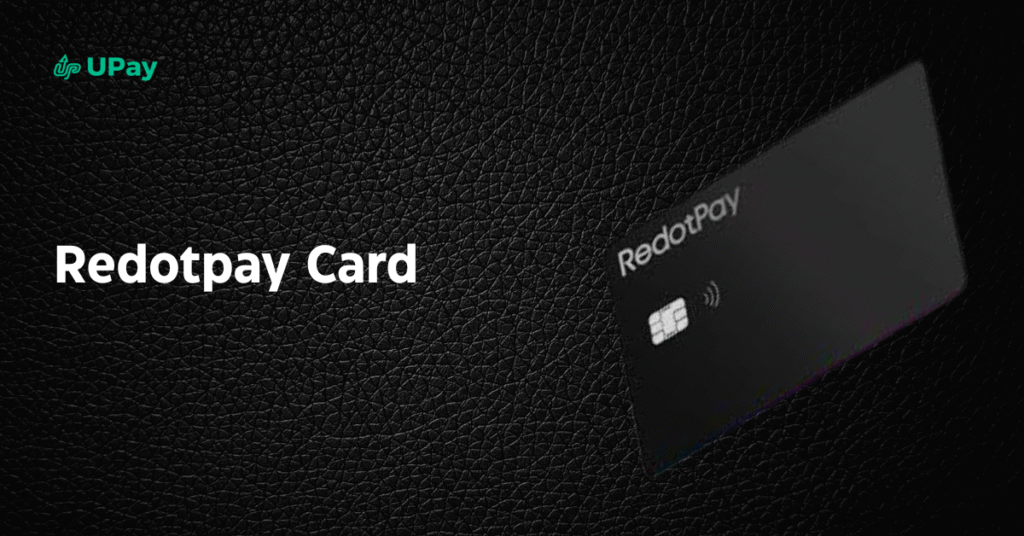
RedotPay’s Affiliate Program rewards partners for referring users to its crypto Mastercard—which supports Bitcoin, Ethereum, and stablecoins like USDT—while emphasizing security and global accessibility. Launched in 2021 and backed by PCI DSS 4.0 certification, RedotPay offers tiered commission structures (ranging from 20% to 40%) and real-time payouts that can attract affiliates with established networks. However, as an alternative, the UPay Affiliate Program provides higher upfront rewards, predictable monthly payouts, and advanced promotional tools that can benefit both small creators and large networks. In this detailed review, we compare both programs—examining benefits, commission structures, regional coverage, and marketing support—to help you decide which affiliate partnership best aligns with your audience and revenue goals. Key Takeaways RedotPay’s Strengths UPay’s Edge Market Considerations Also Read: Redotpay vs Upay Card Overview of the RedotPay Affiliate Program RedotPay entered the crypto-to-fiat card market in 2021 with a mission to simplify digital asset transactions. It’s a prepaid Mastercard that converts cryptocurrencies such as Bitcoin, Ethereum, and USDT into fiat money for everyday spending. RedotPay targets crypto enthusiasts, travelers, and merchants across the globe. How It Works Benefits & Features Limitations UPay Affiliate Program Overview Launched in 2023, UPay has quickly emerged as a global leader in payment solutions by bridging the gap between cryptocurrency and traditional fiat transactions. The UPay Affiliate Program caters to a wide range of users—individuals, businesses, and Web3 companies—offering a transparent, performance-driven commission structure. Key Features & Benefits Advanced Tools & Global Reach Participation Requirements: RedotPay vs. UPay Criteria RedotPay Affiliate Program UPay Affiliate Program Account Status Requires a KYC-verified RedotPay account No existing UPay account required to join Audience Size Open to all; however, higher commission tiers (e.g., LV3) require 30+ referrals No minimum audience requirements; accessible to all affiliates Regional Eligibility Available in 160+ countries Available in 168+ countries (includes markets like Nigeria, India, Brazil, and Southeast Asia) Application Process Instant registration via the RedotPay website Streamlined online application with instant approval Payout Methods Payouts in crypto (USDT, BTC, ETH) or bank transfers:Real-time for activationsEvery 30 days for transaction commissions | Monthly payouts via crypto, bank transfer, or e-wallets with zero forex/ATM fees | | Marketing Support | Basic referral links and banners | Advanced dashboard, VIP account managers, real-time analytics, and AI-driven tools | Key Insight: UPay’s lack of audience thresholds and its advanced marketing toolkit make it especially attractive for affiliates looking to scale quickly, whereas RedotPay may suit those with an already established network. Detailed Comparison: UPay vs. RedotPay Criteria RedotPay Affiliate Program UPay Affiliate Program Commission Rates 20-40% on card activations and transactions $30 per card activation plus up to 0.6% on monthly recharge volumes Ease of Participation Open to all; higher tiers require additional referrals Open and accessible to all affiliates with no tier or audience minimums Payout Frequency Real-time payouts for activations; transaction commissions settled every 30 days Consistent monthly payouts ensuring stable cash flow Global Reach Accepted at over 44 million merchants in 160+ countries Operates in 168+ countries with multi-currency support Tools & Support Basic marketing tools (referral links, banners) Comprehensive support including real-time analytics, customizable landing pages, and VIP account managers Fees $10 fee for virtual cards; $100 fee for physical cards; transaction fees:1% for default currencies2.2% for non-default currencies | Zero forex and ATM fees, ensuring a more cost-effective solution Verdict: UPay offers higher upfront commissions and recurring income from recharge commissions. For example, 100 activations could yield roughly $3,000 plus additional monthly bonuses—surpassing the earnings potential of RedotPay, especially when factoring in its higher fees and basic marketing support. RedotPay Card 101 The RedotPay Card is a prepaid Mastercard that allows users to convert cryptocurrencies into fiat currency for everyday transactions. With a focus on security and global usability, the card is designed to meet the needs of crypto enthusiasts and frequent travelers alike. Key Features How It Works Limitations RedotPay and the Cryptocurrency Market Operating in a dynamic $1.2B crypto card market, RedotPay competes with established names like Crypto.com, Binance, and UPay. Its focus on security and global acceptance makes it appealing, but high fees and limited marketing support pose challenges. Market Position Growth Opportunities and Risks UPay Affiliate Program: A Reliable Alternative While RedotPay targets the crypto-to-fiat card niche with a focus on security and global acceptance, UPay offers a broader, more stable solution designed for maximum affiliate revenue. UPay’s program is particularly well-suited for those seeking both upfront and recurring earnings with minimal entry barriers. UPay Affiliate Program Overview UPay bridges cryptocurrency and fiat transactions by offering a diverse portfolio of nine cards tailored for various financial needs—from premium spending to everyday transactions. The program’s clear, performance-driven commission structure and advanced affiliate tools make it an ideal choice for affiliates of all sizes. Key Benefits How to Earn with UPay Conclusion The RedotPay Affiliate Program presents a compelling opportunity for affiliates targeting crypto-to-fiat card users, offering up to 40% commissions and real-time payouts along with global acceptance at over 44 million merchants. However, its relatively high issuance fees and basic marketing tools may limit its overall appeal, especially for smaller affiliates or those seeking more predictable income. In contrast, the UPay Affiliate Program offers a robust, globally accessible alternative with higher upfront rewards ($30 per activation), recurring income through monthly recharge commissions (up to 0.7%), and advanced promotional tools. With operations in 168+ countries and comprehensive support—from real-time analytics to dedicated VIP account managers—UPay provides a user-friendly and scalable option for affiliates of all sizes. For affiliate marketers aiming to diversify their revenue streams and target both niche crypto-to-fiat card users and a broader global audience, a dual strategy that promotes both RedotPay and UPay may be the most effective approach. This balanced strategy not only maximizes potential earnings but also mitigates risk by leveraging the strengths of two complementary platforms in the competitive digital payments landscape. Ready to start earning? Sign up for the UPay Affiliate Program today and harness the power of the crypto and fintech markets to boost your income!