


How to set up a crypto inheritance plan

Planning for the future isn’t just about your house, savings, or investments; it’s also about your digital wealth. With more people holding cryptocurrency today, one important question comes up: What happens to your crypto when you’re no longer around? Unlike traditional assets, crypto can be lost forever if no one has the keys or access. That’s why setting up a clear crypto inheritance plan is crucial. It ensures your loved ones can securely access and benefit from your digital assets when the time comes. In this article, you’ll learn: Key Takeaways Why a Crypto Inheritance Plan Is Important Cryptocurrency and digital assets are unique compared to traditional assets, and that means that inheritance, i.e., what happens to them after you die or can’t manage them anymore, has special challenges. Below are the key reasons why having a crypto inheritance plan isn’t just “nice to have,” but essential. Cryptocurrency is unique because it’s decentralised and self-custodied. There is no bank manager, lawyer, or government institution that can simply hand over your Bitcoin or Ethereum to your family. If the private keys or seed phrases are lost, the crypto is gone forever. A crypto inheritance plan: How to Set Up an Inheritance Plan in Crypto Most people keep their crypto safe, but very few think about what will happen to it if something unexpected happens. Unlike a bank account, crypto has no customer care that can help your family recover your money. If no one knows where your wallet is or how to access it, your crypto may be lost forever. Creating a crypto inheritance plan helps you make sure your digital assets go to the right people, easily and safely. Step 1: Take Inventory of Your Crypto Assets Before making a plan, you need to know exactly what you own. This includes: Create a secure list of your assets so your beneficiaries know what exists. Step 2: Choose How to Store and Share Access The most sensitive part of crypto inheritance is access to private keys. Without them, no one can retrieve the funds. Here are some common methods: 1. Paper or Physical Storage Write down your seed phrase and keep it in a safe place (e.g., a fireproof safe or bank deposit box). Only share the location with trusted people. 2. Hardware Wallets Use devices like Ledger or Trezor. You can pass the device itself along with instructions on how to use it. 3. Multisig Wallets Set up wallets that require multiple signatures (e.g., 2 of 3 keys) to access funds. You can give one key to your lawyer, one to a family member, and keep one yourself. 4. Custodial Services and Exchange Accounts For many, crypto held on an exchange or a platform that issues a spending card is the most accessible part of their digital wealth. Custodial services act like traditional banks for your crypto: they hold the private keys on your behalf, which reduces your full control, but can greatly simplify the inheritance process. Step 3: Use Legal Tools Crypto inheritance isn’t just technical; it should also be legal. You can: Step 4: Choose the Right Tools and Platforms There are now platforms built specifically for crypto inheritance: Step 5: Document Everything Clearly Your beneficiaries may not be tech-savvy. Write simple, step-by-step instructions for them to follow, such as: Step 6: Review and Update Regularly Life changes, so should your crypto inheritance plan. Common Mistakes to Avoid Setting up a crypto inheritance plan can be simple, but many people make small mistakes that can cause their assets to be lost forever. Here are the key things you must avoid: Writing Your Seed Phrase in Your Will Wills can become public during legal processes. If your seed phrase is written inside it, anyone can see it and access your crypto. Instead, write only the location of your seed phrase or access details. Storing Keys or Phrases on Your Phone or Email Phones, emails, and cloud storage can be hacked or accessed by others. Use secure offline methods like a hardware wallet, fireproof safe, or metal backup plate. Giving Full Access to Someone Too Early Sharing your seed phrase while you’re still alive can put your assets at risk, especially if relationships change. Share partial access, sealed instructions, or use multisig wallets for extra protection. Forgetting to Update Your Plan Your wallet may change. You may buy new crypto. A beneficiary may no longer be suitable. Review and update your plan every 6–12 months so it stays accurate. Relying on Only One Storage Method If your single safe or storage method is destroyed, your crypto is gone. Use multiple secure layers, such as a hardware wallet + written instructions + legal backup. Assuming Your Family Will ‘Figure It Out’ Later Crypto is technical. Without clear steps, your beneficiaries may not understand how to access or move your assets. Provide simple instructions, even if they are not tech-savvy. Not Using Legal Tools If your plan is not legally recognised, disputes may arise, or your wishes may not be followed. Use a will, trust, or executor to make everything enforceable. Final Thoughts Your crypto represents real financial value, and in many cases, part of your life’s work. Without a clear inheritance plan, all of it could vanish. By preparing now with the right mix of technical tools and legal support, you can make sure your digital wealth becomes part of your lasting legacy. FAQs
8 Best Crypto Payment Solutions for Small Businesses
Compared to traditional payment systems with high fees and slow settlement times, crypto payment solutions offer small businesses faster, cheaper, and more flexible options to accept money globally. Customers today expect convenient ways to pay, and digital currencies are gradually becoming part of everyday transactions. For small businesses, this means reduced costs, broader reach, and the ability to keep up with modern consumer behavior. At the same time, not every crypto payment processor works the same. Some focus on simple integrations for e-commerce, while others prioritize Bitcoin Lightning payments or seamless fiat conversion. Choosing the right fit can directly impact how efficiently a business operates. In this article, we’ll explore the 8 best crypto payment solutions for small businesses, breaking down what each platform is best for, how they work, and why they can help future-proof your business. What Are the Crypto Payment Solutions? Crypto payment solutions are digital platforms and gateways that allow businesses and individuals to accept, process, and settle transactions using cryptocurrencies. These solutions act as bridges between traditional finance and blockchain-based payments, making it easier for merchants to get paid in Bitcoin, Ethereum, stablecoins, and many other digital assets. Instead of relying solely on banks or credit card processors, crypto payment providers handle everything from invoice generation and checkout integration to automatic currency conversion into fiat if needed. They also help manage transaction security, reduce payment delays, and cut down on high fees associated with international transfers. For small businesses, freelancers, and e-commerce brands, crypto payment solutions mean faster transactions, global customer access, and greater financial flexibility. Key Takeaways Related: How Crypto Payments Work: A Clear Guide for 2026 Top 8 Crypto Payment Solutions for Small Businesses Platform Supported Crypto / Assets Integration & Settlement Options Fee / Monetization Highlights Security & Compliance Best Use Case / Fit Trade-offs / Limitations UPay Supports major cryptos (BTC, ETH, USDT etc.), tied to card & wallet use Card + wallet + API integration; Apple Pay / Google Pay support 1% transaction fee, 0% cross-border, activation / withdrawal fees 2FA, custodial / non-custodial hybrid, card KYC controls Businesses wanting unified card + crypto wallet solution Card activation cost, country restrictions, ATM withdrawal fees NOWPayments 300+ cryptocurrencies API, plugins, invoices, widgets, mass payouts 0.5% for mono payments, 1% for conversion payments AML system, optional KYC, withdrawal whitelisting SMEs wanting non-custodial, full crypto support Conversion fees when using mixed coins, KYC triggers Coinbase Commerce Hundreds of tokens on Ethereum, Polygon, Base, etc. API, plugins (WooCommerce & others), hosted pages 1% transaction fee, auto conversion to USDC Under Coinbase’s compliance, onchain conversion Startups / merchants needing easy onboarding Gas / network fees still apply, limited custody flexibility BitPay 300+ supported coins APIs, POS integrations, plugins, invoices; fiat settlement 1% base fee, adjustable for risk / volume KYC/AML, multi-sign, encryption, self-custody Established merchants wanting reliability & scale Higher fees for high-risk sectors, less nimble for micro businesses Transak 136 cryptocurrencies, 45 blockchains SDKs, widget, white label APIs, fiat on/off ramps Fees vary by payment method and region FCA (UK), MSB (US), shared KYC, fraud engine Businesses needing robust fiat <> crypto flow Variable fees, technical setup required, geographic limits CoinGate 70+ cryptocurrencies (BTC, ETH, USDC, etc.) Plugins, API, invoice, POS, auto fiat settlement <1% typical transaction fee AML/KYC compliance tools, refund capabilities E-commerce sites focusing on plugin integration Some region restrictions, limited altcoin support PayPal Selected major cryptos + PYUSD stablecoin Integration via PayPal Wallet / Checkout Crypto purchase fees 1.5–2.2%; merchant fees 2.29–3.49%+ Encryption, anti-fraud monitoring, 2FA Businesses needing seamless fiat + crypto capability Centralized control, limited crypto support vs pure crypto platforms OpenNode Bitcoin (onchain + Lightning) API, plugins, hosted pages, payouts Free Bitcoin ↔ fiat conversion 2FA, IP whitelisting, regulated MSB / compliance Firms focused on fast Bitcoin/Lightning payments Only supports Bitcoin (not altcoins), network dependence, regional access may vary UPAY – Best Overall Crypto Payment Solution UPay is positioned as the best overall crypto payment solution for small businesses, delivering a seamless bridge between digital assets and real-world spending. With over 20K+ cards issued, 30M+ total spending, and 55M+ supported merchants, UPay combines scale with reliability. Integration is simple through the UPay wallet and card, which work with Apple Pay and Google Pay, making it easy for small businesses to adopt. Fees are transparent—1% transaction fee, 0% cross-border charges, and a 2% ATM withdrawal fee. Security is reinforced by top-tier safeguards and Google Authenticator 2FA. Pros Cons NOWPayments – Best Non-Custodial Payment Solution for SMEs For small and medium-sized enterprises, NOWPayments delivers the most flexible non-custodial crypto payment solution. Supporting over 300 cryptocurrencies and more than 75 fiat options, it enables businesses to accept Bitcoin, Ethereum, stablecoins, and altcoins with ease. With over 30 million monthly transactions and $10 billion processed since 2019, NOWPayments has proven reliability at scale. Integration is simple through APIs, e-commerce plugins, invoices, POS systems, donation tools, and payment widgets, allowing SMEs to adopt crypto payments quickly. Fees remain highly competitive with a 0.5% commission for monocurrency payments and 1% for payments with conversion, excluding network costs. Security is strengthened with AML measures, two-step verification, whitelisting, and multi-account role management, ensuring safe and transparent operations. As a non-custodial gateway, merchants maintain control over their funds while benefiting from auto-conversion, mass payouts, and 24/7 support. NOWPayments is ideal for SMEs across e-commerce, SaaS, marketplaces, and global services seeking low-cost, borderless payment solutions. Pros Cons Coinbase Commerce – Best for Startups and Merchants Who Want Simple Onboarding Coinbase Commerce is designed for startups and small merchants who need a fast, simple way to start accepting crypto payments. With support for hundreds of cryptocurrencies across Base, Ethereum, and Polygon, customers can pay directly from their preferred wallet with no manual input required. The platform makes onboarding effortless, offering ready-made integrations with WooCommerce, Jumpseller, Primer, and APIs for custom builds. To protect businesses from market volatility, payments are automatically converted into USDC for stable settlement, while maintaining instant and error-free transaction confirmations. Fees remain low at 1% per
Best DeFi Staking Platforms: Compare APYs, Security & Key Features

Crypto isn’t just about buying and holding coins anymore. DeFi staking has opened up a whole new way to earn while you HODL. By staking your digital assets on decentralized platforms, you can generate passive income, support blockchain networks, and participate in the growing DeFi ecosystem. With options ranging from beginner-friendly liquid staking protocols to advanced restaking and yield optimization strategies, there’s a solution for every investor’s goal and risk appetite. In 2026, the DeFi staking space has exploded with innovative platforms like Lido Finance, Rocket Pool, Aave, EigenLayer, and Pendle, each offering unique features, token support, and reward opportunities. Whether you want instant liquidity, high yields, or advanced multi-chain strategies, understanding the differences between these platforms is key to making smart, profitable choices. In this guide, we break down the types of staking, top platforms, risks, and strategies, so you can confidently select the best DeFi staking platform for your crypto journey. Key Takeaway What Is DeFi Staking? DeFi staking is the process of locking your cryptocurrency in a decentralized finance (DeFi) platform to help run and secure a blockchain network. In return, you earn rewards, usually paid in the same token or another crypto asset. Instead of relying on banks or centralized companies, DeFi staking uses smart contracts, self-executing programs on the blockchain to manage deposits, rewards, and withdrawals automatically. This means users keep control of their funds while earning returns directly from the network. Also Read: What Is A Phantom Wallet How It Differs from Traditional Staking Traditional staking is often done through centralized exchanges or custodial services, where the platform controls your assets on your behalf. While this may be easier for beginners, it comes with risks like platform freezes, withdrawal limits, or loss of custody. DeFi staking is different because: Types of DeFi Staking DeFi staking is not a one-size-fits-all activity. There are different staking models, each designed to meet specific goals such as flexibility, security, or higher yields. Understanding these types helps you choose the best option based on your risk tolerance and investment strategy. Liquid Staking Liquid staking allows you to stake your crypto while still keeping it usable in the DeFi ecosystem. When you stake your tokens, you receive a liquid staking token that represents your staked assets and earned rewards. For example, if you stake ETH through a liquid staking protocol, you receive a token that mirrors the value of your staked ETH. This token can be traded, lent, or used in other DeFi applications while your original ETH remains staked and earning rewards. Key benefits include: Common use cases: Traditional On-Chain Staking Traditional on-chain staking involves locking your tokens directly into a blockchain’s validator system. Your tokens are used to help validate transactions and secure the network. Rewards are earned based on the amount staked and network participation rules. During the staking period, tokens are usually locked and cannot be used elsewhere. Benefits: Limitations: Restaking and Advanced Yield Strategies Restaking allows users to reuse already staked assets to secure additional protocols and earn extra rewards. Instead of staking once, your staked tokens help secure multiple systems at the same time. For example: You stake ETH, that staked ETH is restaked to support other networks or services, you then earn rewards from both layers. This approach increases capital efficiency and opens new earning opportunities within DeFi. Rewards Risks Top 10 DeFi Staking Platforms As DeFi continues to mature in 2026, staking platforms have become more secure, flexible, and user-friendly. Below are some of the most popular and trusted DeFi staking platforms, each offering different benefits depending on your goals. Lido Finance Best for: Users who want flexible staking Lido Finance is the largest liquid staking protocol in DeFi, letting ETH holders stake without lock-ups while receiving stETH they can still use across 150+ DeFi apps. As of November 2025 it holds about $34.8B–$38.3B TVL, offers ~2.5–3.0% APY, and runs mainly on Ethereum while expanding to Layer-2 networks like Arbitrum, Optimism, and Base. Lido is DAO-governed (LDO token) and security-audited by major firms with a bug bounty program up to $2M, while withdrawals typically take 1–5 days depending on network demand. It uses 31+ professional node operators, has no minimum staking requirement, and provides instant liquidity through stETH. The platform is generally considered low–medium risk due to size and centralization concerns, and is best suited for long-term ETH holders who want staking rewards without losing flexibility. Lido earns around $9.25M monthly in staking commissions and can be accessed directly at lido.fi. Pros Cons Also Read: Top 10 Free Crypto Mining Apps In 2026 Rocket Pool Best for: Users who value decentralization over convenience Rocket Pool is a decentralized liquid staking protocol for Ethereum with about $4.6B TVL as of November 2025. It lets users stake ETH and receive rETH, a liquid token that grows in value as rewards accrue, typically earning around 2.5–2.7% APY. Launched in November 2021, Rocket Pool is known for being the most decentralized ETH staking option, supporting over 1,500 independent node operators and allowing nodes to run with only 8 ETH (instead of 32), backed by RPL collateral. It is community-driven rather than controlled by a single DAO token and has undergone multiple audits by leading security firms. Withdrawals usually take 1–7 days depending on network activity, and risk is considered low-to-medium due to decentralization but smaller scale compared to Lido. Rocket Pool is best for ETH stakers who value decentralization and for node operators wanting a permissionless setup, with staking available directly at rocketpool.net. Pros Cons Aave Best for: Long-term DeFi users Aave is one of the largest DeFi lending platforms, with over $24 billion locked across 13 blockchains as of November 2025. Its main purpose is to let users lend and borrow crypto, while also offering staking through the Safety Module where AAVE holders can earn variable rewards (usually 3–8%) in exchange for helping secure the protocol. Available on Ethereum, Polygon, Avalanche, Arbitrum, Optimism, Base, and more, Aave is known for features like flash loans,
Advantages and Disadvantages of Cryptocurrency
Explore the pros and cons of cryptocurrency. Learn how digital currency impacts your finances in this insightful guide.
What Is A Phantom Wallet
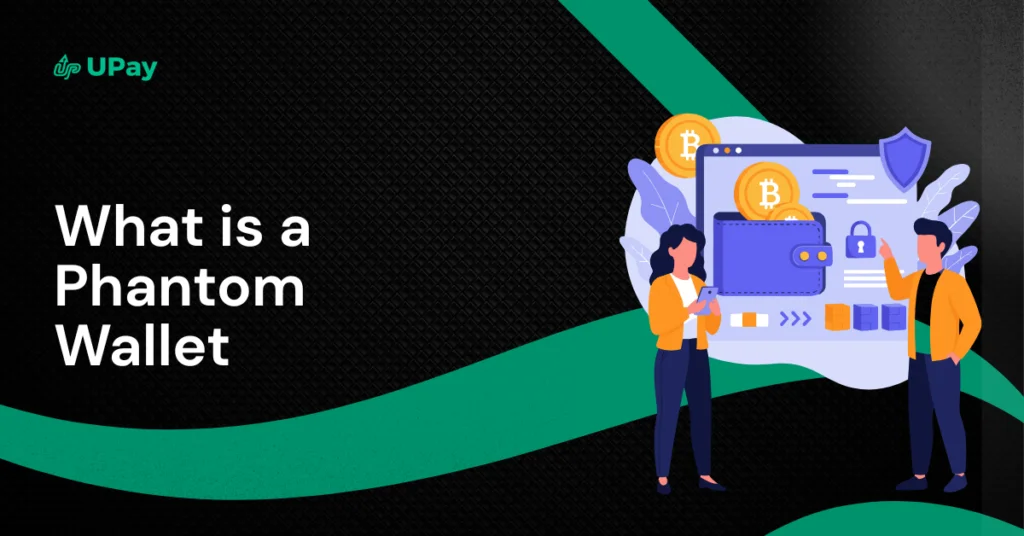
Phantom Wallet is one of the most popular crypto wallets, especially among users who interact with decentralised applications, NFTs, and Web3 platforms. It is best known as a user-friendly wallet designed to make managing crypto simple, even for beginners. At its core, Phantom Wallet allows users to store, send, receive, and swap cryptocurrencies directly from their browser or mobile device. It also lets users connect securely to Web3 apps without sharing private keys, making it a common choice for everyday crypto use. In this guide, you will learn what Phantom Wallet is, how it works, its main features, the blockchains it supports, and what to consider before using it. What Is Phantom Wallet? Phantom Wallet is a non-custodial crypto wallet that allows users to store, send, receive, and manage their cryptocurrency securely. Non-custodial means you control your private keys, not the wallet provider. This gives users full ownership of their funds. Unlike a custodial wallet (often an exchange), where a third party holds your private keys, a non-custodial wallet places you in complete control, making the protection of your Secret Recovery Phrase your sole responsibility. Phantom was originally built for the Solana blockchain, but it has expanded to support other networks as well. It is available as a browser extension and a mobile app, making it easy to access crypto across devices. Beyond basic storage, Phantom Wallet is designed for Web3 use. It allows users to connect to decentralised applications (dApps), trade tokens, manage NFTs, and interact with DeFi platforms directly from the wallet. All transactions require user approval, helping to keep funds secure. Phantom is known for its simple interface, fast setup, and strong focus on user experience, which is why it is popular among beginners and experienced crypto users alike. How Phantom Wallet Works Phantom Wallet works by acting as a secure bridge between you, the blockchain, and Web3 applications. It does not hold your crypto for you. Instead, it stores your private keys locally on your device and uses them to sign transactions when you approve an action. When you create a Phantom Wallet, you are given a secret recovery phrase. This phrase is the key to your wallet and your funds. Phantom uses it to generate your private keys, which stay encrypted on your device. No one else, including Phantom, can access your wallet without this phrase. To send crypto, Phantom signs the transaction with your private key and broadcasts it to the blockchain. To receive crypto, simply provide your public wallet address. When you connect Phantom to a decentralised app, the app can request actions, but nothing happens without your approval inside the wallet. Phantom also includes built-in features like token swaps and NFT viewing. These actions work the same way: you review the transaction details, approve it, and Phantom signs and submits it to the network. In simple terms, Phantom Wallet lets you control your crypto, approve transactions, and interact with Web3 safely, all from one interface. Also Read: Top 10 Free Crypto Mining Apps In 2026 Key Features of Phantom Wallet Phantom Wallet includes a range of features designed to make managing crypto and using Web3 applications simple and secure. Non-Custodial Control Phantom is a non-custodial wallet, meaning you fully control your private keys and funds. Only you can access or approve transactions. Easy-to-Use Interface The wallet has a clean and simple design that makes it easy for beginners to send, receive, and manage crypto without confusion. Multi-Chain Support Phantom supports multiple blockchains, allowing users to manage different assets from one wallet instead of switching between apps. Built-In Token Swaps Users can swap tokens directly inside Phantom without leaving the wallet. The wallet finds available swap routes and shows estimated fees before you confirm. NFT Support Phantom allows users to view, send, and manage NFTs in one place. NFTs are displayed clearly, making it easy to track collections. Secure dApp Connections Phantom connects safely to decentralised applications. Apps must request permission, and every transaction requires manual approval. Mobile and Browser Access Phantom is available as a browser extension and a mobile app, allowing users to access their wallet across devices. Privacy and Security Tools The wallet includes features like transaction previews and warnings to help users avoid scams or suspicious activity. Blockchains Supported by Phantom Wallet Phantom Wallet was originally built for Solana, and that remains its core supported network. Over time, it has expanded support to include several additional blockchains, making it more versatile for users who hold assets across different ecosystems. Here are the main blockchains you can use with Phantom: Solana (SOL) Phantom’s primary network. Solana is known for fast transactions and low fees. Most users connect to Solana dApps, DeFi platforms, and NFTs through Phantom. Ethereum (ETH) Phantom supports Ethereum assets via Ethereum Virtual Machine (EVM) compatibility. This allows users to manage popular tokens and interact with Ethereum dApps. Polygon (MATIC) Through EVM integration, Phantom supports tokens on the Polygon network, which is known for low-cost transactions and strong DeFi and NFT activity. Other EVM-Compatible Chains (via Cross-Chain Support) Phantom can connect to other EVM-compatible chains as well, such as Binance Smart Chain (BSC) and Avalanche, enabling users to hold and transact crypto assets from those ecosystems. Layer 2 Networks (via EVM) Phantom also supports Layer 2 chains that are EVM-compatible, expanding its reach to networks designed for cheaper and faster transactions. Is Phantom Wallet Safe? Phantom Wallet is considered safe for everyday crypto use when used correctly. It is a non-custodial wallet, which means you control your private keys, not Phantom or any third party. This gives users full ownership and responsibility over their funds. Here are the key security aspects to understand: Non-Custodial by Design Your private keys and secret recovery phrase are stored locally on your device and are never shared with Phantom’s servers. This reduces the risk of centralised hacks. Secret Recovery Phrase Protection When you create a wallet, Phantom gives you a recovery phrase. Anyone with this phrase can access your funds, so
Altcoins Unpacked: All You Need to Know
Discover altcoins easily with our guide. Learn the basics, risks, and rewards. Everything you need to understand about altcoins.
FPI in Crypto Explained: From Investment Flows to Stablecoins

Crypto has grown far beyond Bitcoin and Ethereum, and with that growth comes new terms and concepts. One of them is FPI, a term that actually has two different meanings in the crypto market. On one hand, FPI stands for Foreign Portfolio Investment, money that flows from international investors into crypto assets like Bitcoin, stablecoins, and DeFi tokens. These inflows can bring liquidity, growth, and attention to the market, but they also raise questions about volatility, regulation, and risks. On the other hand, FPI refers to the Frax Price Index, an innovative stablecoin created by the Frax Finance team. Unlike USDC or USDT, which are pegged to the U.S. dollar, this token is pegged to the U.S. Consumer Price Index (CPI), making it an inflation-resistant “flatcoin” designed to protect purchasing power over time. Both versions of FPI matter because they show how crypto is evolving: one highlights how global capital is entering digital assets, while the other shows how new stablecoin designs are addressing inflation and stability challenges. Together, they reveal the opportunities and questions facing crypto as it moves into 2025 and beyond. Key Takeaway “The future of FPI in crypto will depend on balancing innovation, transparency, and global regulatory clarity.” What is FPI in Crypto? When the acronym FPI comes up in crypto discussions, it can point to two very different but equally important concepts: FPI as Foreign Portfolio Investment Applied to Crypto Markets Traditionally, Foreign Portfolio Investment (FPI) refers to cross-border capital flowing into financial assets like equities, bonds, or derivatives without granting direct control of the underlying enterprise. In crypto, this idea translates to international investors allocating capital into digital assets, whether that’s Bitcoin, Ethereum, or tokenized securities. The rise of global crypto exchanges and custodians has blurred geographical boundaries, making it easier for institutions and individuals across the world to treat crypto as part of their portfolio diversification strategy. For the crypto industry, foreign portfolio inflows provide deeper liquidity, stronger market participation, and a signal of growing institutional legitimacy. On the flip side, they expose markets to regulatory changes in major economies and highlight the tension between decentralized assets and centralized financial oversight. FPI as the Frax Price Index Stablecoin Project On the other hand, FPI is also shorthand for the Frax Price Index, an inflation-resistant stablecoin developed by the Frax Finance team. Unlike traditional stablecoins pegged to the U.S. dollar, FPI is pegged to the U.S. Consumer Price Index (CPI-U). In practice, this means the token is designed to maintain purchasing power over time rather than remain fixed at a nominal fiat value. By tracking a real-world inflation benchmark, FPI belongs to a new class of assets sometimes called “flatcoins” digital currencies that attempt to hedge users against inflation while providing a stable unit of account. This design makes it particularly appealing in times of rising prices and uncertain monetary policies. Why FPI Is Relevant Now The years since 2020 have brought persistent inflationary pressure worldwide. Even though headline inflation rates in some regions have eased compared to 2022 peaks, many economies still grapple with elevated costs of living. In this environment, stablecoins like FPI, which aim to track inflation rather than fiat, have become attractive to users who want to safeguard long-term purchasing power. Unlike traditional dollar-pegged tokens, FPI adjusts with the CPI, making it a more “real value” reference point for savings, contracts, and payments. Regulatory Scrutiny & Institutional Interest in Foreign Investments in Crypto At the same time, governments and regulators are paying closer attention to how foreign portfolio investments interact with digital assets. Cross-border capital flows into crypto have raised questions about money laundering, taxation, and systemic risk. Yet, institutional interest hasn’t waned. Sovereign wealth funds, pension schemes, and asset managers are increasingly experimenting with crypto exposure, whether directly through tokens or indirectly via tokenized securities and ETFs. FPI, in both its meanings, sits at the heart of this shift: foreign capital continues to shape crypto markets, and new inflation-indexed assets are redefining how investors perceive stability. Developments in DeFi Stablecoins / Unit-of-Account Models Within decentralized finance (DeFi), the conversation has shifted from “how do we peg to the dollar?” to “how do we create a truly stable unit of account?” Projects like FPI demonstrate a step forward. By aligning value with inflation data, Frax Price Index offers DAOs, treasuries, and individuals a way to denominate contracts or savings in terms that hold real purchasing power. Combined with growing institutional FPI inflows, this evolution highlights the broader trend: crypto is no longer just about speculation — it’s increasingly about financial primitives that compete with traditional monetary systems. Foreign Portfolio Investment Applied to Crypto (FPI) In traditional finance, Foreign Portfolio Investment (FPI) refers to cross-border capital flows where investors purchase financial assets such as equities, bonds, mutual funds, or derivatives in another country. Unlike Foreign Direct Investment (FDI), which gives investors significant influence or control over a company’s operations, FPI is primarily about financial exposure and return-seeking behavior. Investors hold securities but rarely interfere in the governance of the issuing entity. Key Characteristics: Liquidity, Lack of Control, Risk Exposure The hallmarks of FPI are its liquid nature, short-to-medium investment horizon, and lack of managerial control. Investors can easily buy and sell assets, making FPI highly responsive to global market conditions. At the same time, portfolio investors face risks from exchange rate fluctuations, political instability, and regulatory changes in the host market. Types of Crypto Assets That Attract FPI In the crypto economy, the same principles apply, but the asset classes differ. Foreign portfolio investors in crypto are typically drawn to: Challenges: Volatility, Custody, Regulatory, On-Chain Transparency FPI in crypto faces unique hurdles. Volatility remains a defining risk, as even top-tier tokens can swing double digits within days. Custody is another challenge institutional investors require secure, regulated custodial solutions for large-scale holdings. Regulatory uncertainty complicates decision-making, since the classification of tokens as securities or commodities varies across jurisdictions. Finally, on-chain transparency, while a strength for monitoring flows, can also expose investors
Simple Guide to Buying a Home in Dubai With Crypto

Dubai has become one of the most crypto-friendly cities in the world. It attracts investors, entrepreneurs, and digital asset holders from across the globe. With strong demand in the real estate market and a forward-thinking approach to blockchain technology, many buyers are now asking an important question: Can you buy a home in Dubai using crypto? The short answer is yes. Several property developers and real estate agencies in Dubai now accept cryptocurrency as a payment option. In most cases, crypto payments are converted to fiat currency during the transaction to comply with local regulations. This allows buyers to enjoy the benefits of using crypto while still meeting legal requirements. This guide explains exactly how buying a home in Dubai with crypto works, the cryptocurrencies that are accepted, the legal process involved, and the key things you should know before making a purchase. Key Takeaways Things to Know Before Buying a Home in Dubai With Crypto Before using cryptocurrency to buy a home in Dubai, there are a few important things you should understand. Knowing these points will help you avoid delays, extra costs, or legal issues. Crypto is usually converted to fiat Even though you pay with crypto, most property transactions in Dubai are completed in AED or USD. Your crypto is converted through a licensed payment provider to meet regulatory requirements. Price volatility matters Cryptocurrency prices can change quickly. The value of your crypto at the time of payment is what counts, not when you first agree on the property price. This is why many buyers prefer stablecoins like USDT or USDC. KYC and source of funds checks are required You will need to provide identification and proof of where your funds came from. This applies to both residents and non-residents and is part of Dubai’s anti-money laundering rules. Not all developers accept crypto Only selected developers and real estate agencies support crypto payments. Always confirm acceptance early in the process to avoid issues later. Additional fees may apply Some payment processors charge conversion or transaction fees. You should ask for a full breakdown of costs before making any payment. Ownership laws still apply Buying with crypto does not change property ownership rules. Foreign buyers can only purchase property in designated freehold areas. Legal advice is strongly recommended Working with a real estate lawyer or property consultant helps ensure contracts, payments, and ownership transfers are done correctly. Accepted Cryptocurrencies for Buying Property in Dubai When buying a home in Dubai with crypto, it is important to know that not all cryptocurrencies are accepted. Most developers and real estate agencies work with well-known digital assets that have strong liquidity and market trust. Below are the most commonly accepted cryptocurrencies for property purchases in Dubai: In most cases, crypto payments are converted to fiat currency (AED or USD) at the point of transaction through UAE-regulated payment processors such as Binance or Crypto.com. Global platforms like UPay can help international buyers prepare and manage their digital assets before initiating a compliant transfer through these licensed local channels, ensuring adherence to UAE regulations while minimizing exposure to price volatility. It is also important to note that acceptance varies by developer and agency. Some may only accept Bitcoin or stablecoins, while others support multiple cryptocurrencies. Always confirm accepted assets and payment terms before proceeding with a property purchase. Legal and Regulatory Requirements in Dubai Buying a home in Dubai with crypto follows the same legal framework as any other property purchase. The main difference is how the payment is made, not how ownership is recorded. Below are the key legal and regulatory points you need to know. Crypto is not legal tender in the UAE Cryptocurrency is allowed for transactions, but it is not recognised as official legal tender. This is why most property purchases involve converting crypto to fiat currency before final settlement. Transactions must go through licensed entities Crypto payments are handled by approved exchanges, brokers, or payment processors that comply with UAE regulations. Direct peer-to-peer property payments using crypto are rare and usually not accepted. KYC and AML compliance is mandatory Buyers must complete Know Your Customer (KYC) checks and provide proof of funds. This includes identity documents and evidence showing how the crypto was obtained. Property registration is done in fiat terms All property registrations with the Dubai Land Department (DLD) are recorded in AED. Even if crypto is used for payment, the official documents will reflect fiat values. Foreign ownership rules apply Non-UAE residents can only buy property in approved freehold zones. Using crypto does not bypass ownership restrictions. Smart contracts are not a replacement for legal contracts While blockchain technology may be used for record-keeping or payment tracking, traditional sale and purchase agreements remain legally binding. Tax and reporting considerations While Dubai does not charge capital gains tax on property sales, buyers may still have tax obligations in their home country related to crypto usage. Places in Dubai That Accept Crypto for Home Purchases Crypto payments are not tied to specific neighbourhoods, but to developers and real estate companies operating in those areas. That said, most crypto-friendly property options are found in Dubai’s popular freehold zones. Below are some well-known areas in Dubai where developers and agents are more likely to accept crypto payments: Downtown Dubai Home to luxury apartments and high-end residences near Burj Khalifa. Several premium developers and brokers here accept crypto, especially for off-plan and high-value properties. Dubai Marina A popular area for investors and expatriates. Many real estate agencies operating in Dubai Marina are open to crypto payments, often using Bitcoin, Ethereum, or stablecoins. Business Bay A fast-growing commercial and residential district. Business Bay has several modern developments where crypto-friendly transactions are supported through licensed payment providers. Palm Jumeirah Known for luxury villas and waterfront apartments. Some developers and private sellers on Palm Jumeirah accept crypto, mainly for premium properties. Jumeirah Village Circle (JVC) A more affordable residential area with strong rental demand. Some developers in JVC accept crypto, especially for off-plan