

Cryptography Games Explained
Cryptography games are games built to challenge your mental capacity and smartness. With the presence of codes, complex riddles, puzzles, ciphers, and a touch of mysteries, Cryptography games offer a mind-stimulating experience where you must use various decryption methods and logical reasoning to advance. Sounds interesting right? This article will go deep into the concept of cryptography, its history, how it works, and best cryptography games. It’s an exciting read, so let’s quickly get to it. Key Takeaways The Concept of Cryptography Image Credit To know what Cryptography games are, you need to understand the concept of cryptography itself. You might have once entered a website and asked to fill out a form, say your email and password for updates. Have you ever wondered how private information, passwords and credit/debit cards, are never stolen while being transmitted through the internet? The site’s form uses secret codes, such as words, numbers, and symbols, programmed into the system to hide specific sensitive information. This technique is known as Cryptography. Originating from the Greek word “Kryptos” which means secret or hidden, cryptography is translated as a secret writing and It is traced to the art of breaking codes or solving ancient hieroglyphics. Cryptography games combine education with entertainment to give an engaging and mentally stimulating experience. This implies that Cryptography is the act of concealing and transmitting data and information in a form that only the intended person will receive the information with no access from a third party. It is like passing a message to your best friend using codes, symbols, or expressions that only you two know, hiding a huge secret in plain sight. Everyone sees what you wrote but no one knows what It means, except the both of you, this is called Encryption, hiding a message within a message. This format is used today to hide original messages and guard against malware or cyber-attacks using mathematics usually arithmetic and numbers theory to conceal the message. It is used in numerous sections of the world today to secure sensitive data such as web browsing, sending emails, credit card or even cryptocurrency transactions. Cryptography plays a crucial role in blockchain technology, forming the backbone of cryptocurrency security. The same principles used in cryptography games, like encrypting and decrypting messages, mirror how blockchain ensures secure transactions. For instance, public and private keys in cryptocurrencies function as encryption tools: the public key encrypts a message or transaction, while the private key decrypts it, allowing only the intended recipient to access the data. So, by playing cryptography games, you’re indirectly learning the foundational concepts behind cryptocurrency security and blockchain technology. Read Also: Spend Crypto Privately: Your Guide to Crypto Debit Cards Without KYC How Cipher-Based Games Work? Image Credit The first thing you need to know is that there is no single universal method for message encryption as it is creativity-based. There are so many ways of doing it, each one having its advantages and disadvantages but the most used is the public and symmetric key method of cryptography. To understand cryptography in its simple form, we can take Caesar’s cipher which is the earliest form of cryptography. He was a genius in his time as he encrypted and transmitted confidential information between him and his officials. He did this by changing the letters of the Roman alphabetical order so that it could only be decrypted by the recipient when they substituted the written letter for the corresponding letter in the original message to extract the hidden message. This is known as a Substitution cipher. This illustrates two cryptographic elements that must be present—the algorithm and the key. In Caesar’s message, the algorithm just implies replacing an existent letter with another letter from the alphabetical order while the key is how many steps backward or forward in the alphabet you will need to move to get the letter to be replaced. “Cryptography games mimic real-life methods like ciphers and secure messaging. Players use logical thinking and pattern recognition to tackle these puzzles, aiming to learn the basics of cryptography in an engaging way.” For example, say the word is DOO and the secret key is 4 steps backward in alphabetical order(A to Z). D will be replaced by A, O by L so you have ALL. Cryptography is differentiated into three main types and can be used for encryption which are: Cryptography Games Using cryptography, various games have been developed with the concept. These games are known as Cryptography games. Cryptograms A Cryptogram is a type of puzzle that is made up of short pieces of encrypted text in which the cipher used for encryption is sometimes simple enough to be solved by hand. Substitution ciphers are very common, where each letter is replaced by a different letter, number, or symbol. Sometimes to solve the puzzle, you must recover the original lettering. Previously, cryptograms were used in more serious applications like the military as indicated in the case of Caesar but now they are mostly used for entertainment in newspapers and magazines. Examples include crypto quip puzzles, crypto quotes, and celebrity ciphers, usually distributed by Andrew McMeel, which challenge solvers to decrypt hidden quotes from famous personalities. A crypto quip is a type of cryptogram that comes with witty phrases built around puns and clues. Cryptography games based on substitution ciphers are usually solved by recognising letter patterns, one-letter words can only be “I” or “A” in English, while double letters, apostrophes, and common suffixes provide additional clues. Most skilled puzzle solvers do not even require a starter clue to solve the puzzle. History of Cryptography Games Image source The first time cryptography was used as a game or for entertainment purposes was when monks in the Middle Ages played it as an intellectual game as a means to pass the time. At Bamberg states, a manuscript was found and it revealed that Irish visitors which were from the court of Merfyn Frych ap Gwriad (died 844), king of Gwynedd in Wales, were
Best Places to Spend Crypto in Sri Lanka

Finding the best places to spend crypto in Sri Lanka requires setting realistic expectations from the start. Unlike more crypto-saturated markets, Sri Lanka is still in the early stages of adoption. Cryptocurrency exists in a regulatory grey area here: it is not recognised as legal tender, but it is not outright banned either. As of 2023, only about 1.90% of Sri Lankans owned cryptocurrency out of a population of around 21.9 million, according to Triple-A. That translates to a small but growing base of users and a handful of forward-thinking businesses that have started accepting digital assets. This guide covers every verified place you can currently spend crypto in Sri Lanka, practical tips for doing so, and answers to the most common questions visitors and residents ask. Read Also: Crypto Adoption in Sri Lanka. Key Takeaways S/N Best Places to Spend Crypto in Sri Lanka Categories 1 Cafe Samsara Cafe 2 Hemadan Restaurant & Bar Hotel Cafe Samsara Source: Cafe Samsara Category: Cafe Supported Cryptos: Bitcoin (BTC) This eco-friendly restaurant is designed to give you fresh air and a peaceful atmosphere while you enjoy your meal. Unlike other restaurants on Little Island, Cafe Samsara focuses on organic food, fresh fruits, and local flavors. You can find a mix of Sri Lankan dishes, local craft beer, and even Western food. Whether you’re craving something traditional or international, they have it all. Plus, they accept cryptocurrency, making it a great choice for digital payment users. Hemadan Restaurant & Bar Source: Hemadan Restaurant & Bar Category: Hotel Supported Cryptos: Bitcoin (BTC) In 2021, they announced on their Facebook page that Hemadan started accepting cryptocurrency payments, making it one of the first places in Sri Lanka to do so. Located just a 15-minute walk from Aluthgama Railway Station, Hemadan is a perfect place for travelers looking for a peaceful stay, delicious Sri Lankan food, and a relaxing atmosphere away from the noisy town center. Whether you’re staying for a night or just stopping by for a meal, you can now pay with crypto, making your visit even more convenient. What Are the Pros and Cons of Accepting Crypto Payments as a Business Owner? If you are a business owner in Sri Lanka, you may be wondering whether you should start accepting crypto payments. While trading cryptocurrency is not illegal in Sri Lanka, it is unregulated. The Central Bank has warned about its risks, and it is not considered legal tender . Before making a decision, here are the pros and cons of accepting crypto payments. Pros of Accepting Crypto Payments 1. More Security Credit card fraud is a big problem, and small businesses are often targets. Cryptocurrency payments are recorded on the blockchain, making them harder to hack. Customers use a crypto wallet instead of storing data in a central system, reducing the risk of breaches. 2. Faster International Payments If you sell products or services to customers outside Sri Lanka, crypto can make transactions quicker and cheaper. You do not need to wait for a foreign bank to process payments, and you avoid extra currency exchange fees. 3. No Chargebacks Once a crypto payment is made, it cannot be reversed. Unlike credit card payments, where customers can dispute charges and get refunds without your approval, crypto payments require you to manually send back the money if a refund is needed. This helps with cash flow and reduces fraud. Cons of Accepting Crypto Payments 1. Price Fluctuations The value of cryptocurrencies like Bitcoin changes a lot. If you accept Bitcoin for a product today, its value could drop tomorrow. This could mean losing money if you don’t convert it to local currency quickly. 2. Changing Regulations Cryptocurrency is still new, and rules about its use are not clear in many countries, including Sri Lanka. The government could introduce new laws that affect how businesses use crypto. This uncertainty makes it a risky payment method. Tips for Spending Crypto in Sri Lanka If you’re looking to spend cryptocurrency in Sri Lanka, here are some practical tips: Read Also: Best Places to Spend Crypto in Singapore Conclusion We were only able to find just two places in Sri Lanka that accept cryptocurrency: Cafe Samsara and Hemadan Restaurant & Bar. Since crypto is not widely accepted in the country, spending it can be challenging. If you plan to use crypto in Sri Lanka, be prepared with backup payment options and stay updated on regulations. While it may not be easy to spend crypto now, the situation could change as awareness and adoption grow. Frequently Asked Questions
Binance TR Announces New Altcoin Listing: AIGENSYN (Gensyn) Goes Live Today
Binance TR has announced the listing of AIGENSYN, the native token of decentralized AI infrastructure project Gensyn, adding another artificial intelligence focused asset to its growing crypto offerings as investor interest in AI related blockchain projects continues to accelerate. Trading for the Turkish Lira pair AIGENSYN/TRY went live on May 14 at 20:00 local time, according to the exchange’s official announcement. The listing follows Binance’s broader global rollout of the token on its spot platform, where trading pairs against USDT, USDC, and TRY were also introduced. The launch immediately attracted strong market attention. AIGENSYN surged roughly 40% in pre market activity ahead of the listing as traders positioned for increased liquidity and exposure through Binance’s ecosystem. Key Takeaways Binance expands AI token exposure The listing highlights Binance’s continued push into AI themed crypto assets, a category that has gained momentum alongside growing institutional investment in artificial intelligence infrastructure. Gensyn focuses on decentralized computing networks designed for AI model training and machine learning verification. The project aims to create a distributed marketplace where computing power, data exchange, and AI workloads can operate without relying entirely on centralized cloud providers. The project has received backing from major venture capital firms, including Andreessen Horowitz’s crypto division, a16z crypto. That support has helped place Gensyn among the more closely watched AI blockchain projects launched in recent months. Binance confirmed that AIGENSYN would carry a Seed Tag designation, which the exchange uses for newer and potentially high volatility assets. Seed Tag tokens typically face larger price swings due to lower market maturity and speculative trading activity. The exchange also revealed it charged no listing fee for the token and allocated an additional 125 million AIGENSYN tokens for future promotional campaigns and ecosystem incentives. What AIGENSYN is designed to do According to information shared by the project, AIGENSYN serves several functions within the Gensyn ecosystem, including staking, governance, machine learning verification, and network payments. The token operates on Gensyn’s own Layer 2 infrastructure within the Ethereum ecosystem. Developers say the network is intended to support decentralized AI training by connecting participants contributing unused computing resources. Gensyn’s tokenomics model also includes a buyback and burn structure tied to protocol revenue. The project stated that 70% of onchain revenue generated through decentralized platform activity will be used to repurchase and burn AIGENSYN tokens. Another 29% will be directed to the treasury, while 1% is allocated to buyback operations. The token has a maximum supply of 10 billion units, with approximately 1.3 billion currently in circulation. The remaining supply is expected to unlock gradually over time. Speculation builds around AI crypto narrative The strong reaction to the Binance and Binance TR listings reflects the growing appetite for projects sitting at the intersection of blockchain infrastructure and artificial intelligence. AI related crypto tokens have consistently outperformed broader altcoin markets during periods of heightened enthusiasm around machine learning and decentralized computing. Traders have increasingly treated AI crypto assets as high growth speculative plays tied to the expansion of artificial intelligence technologies. Still, analysts caution that early stage AI tokens often experience sharp volatility following major exchange listings. One of the key concerns surrounding AIGENSYN is the speed of its recent price appreciation before spot trading officially opened. Rapid pre listing rallies are often followed by aggressive profit taking once liquidity increases on larger exchanges. Market watchers are also closely monitoring whether Gensyn can translate narrative driven momentum into actual developer activity and sustained network usage. Liquidity boost puts Gensyn in spotlight The Binance listing significantly improves accessibility for retail and institutional traders looking to gain exposure to the project. Historically, major exchange listings have acted as catalysts for increased trading volume, improved price discovery, and broader market visibility for emerging crypto assets. Binance remains the world’s largest cryptocurrency exchange by trading volume, making its listings particularly influential for smaller tokens entering the public market. AIGENSYN was previously available through Binance Alpha before transitioning to full spot trading support. The token’s move onto the primary exchange platform is expected to increase liquidity substantially in the short term. For now, the market response suggests AI themed crypto projects continue attracting speculative capital despite broader uncertainty across parts of the digital asset sector. Whether Gensyn can maintain momentum beyond its listing phase may depend less on short term trading excitement and more on whether the project can demonstrate meaningful adoption in decentralized AI infrastructure.
THORChain Pauses Trading Following Cross-Chain Hack

Cross-chain liquidity protocol THORChain temporarily halted trading and signing operations on Friday after blockchain investigators flagged a suspected exploit that appears to have drained more than $10 million across multiple networks, including Bitcoin, Ethereum, BNB Smart Chain, and Base. The emergency pause was activated after on-chain analyst ZachXBT and security firm PeckShield identified suspicious wallet activity tied to coordinated transfers moving through THORChain linked infrastructure. A message shared through THORChain’s alerts channel stated that trading would remain paused until block 26191149 while validators investigate the incident and assess the extent of the damage. The protocol had not released an official post-mortem at the time of publication, and the exact attack vector remains unclear. Key Takeaways Exploit spreads across several blockchains Early blockchain data suggests the suspected attacker moved funds through wallets connected to both Bitcoin and EVM-compatible chains in a series of rapid transactions. According to analytics platform Arkham Intelligence, wallets linked to the exploiter were holding roughly $10.8 million shortly after the incident surfaced publicly. The assets reportedly included 3,443 ETH, 36.85 BTC, and 96.6 BNB alongside smaller token balances spread across several addresses. PeckShield also flagged suspicious transfers involving bitcoin and Ethereum linked assets, while ZachXBT initially estimated losses above $7 million before later revising the figure higher as more transactions were traced on-chain. The protocol’s built-in emergency controls automatically halted swaps and trading activity shortly after the exploit was detected. Native RUNE transfers continued operating while validators coordinated the response. The incident immediately renewed concerns around the security of cross-chain liquidity systems, which remain one of the most targeted sectors in decentralized finance because of the large pools of capital they manage across multiple blockchains. RUNE slides as traders react to the halt THORChain’s native token, RUNE, dropped sharply following news of the exploit and the network pause. CoinGecko data showed the token falling roughly 12% to 13% within 24 hours, briefly trading near $0.50 before stabilizing slightly above that level later in the session. The latest decline adds to an already difficult year for RUNE holders. The token has now lost more than 70% of its value over the past 12 months amid broader weakness across the DeFi market and recurring security concerns tied to cross-chain infrastructure. Trading activity surged as the selloff accelerated. Derivatives data from CoinGlass showed a sharp increase in futures open interest following the exploit alerts, suggesting traders quickly repositioned around the volatility. Analysts warned that conditions remain unstable until THORChain fully restores trading and publishes technical details explaining how the exploit occurred. Security pressure returns to DeFi The latest exploit comes during a period of mounting pressure on decentralized finance protocols. According to DefiLlama data, DeFi projects lost more than $634 million to hacks and exploits in April alone, marking the sector’s worst monthly security losses since February 2025, when crypto exchange Bybit suffered a record $1.4 billion breach. Cross-chain protocols have repeatedly emerged as high-risk targets because they connect liquidity pools and messaging systems across multiple blockchains. THORChain itself has frequently appeared in investigations involving stolen crypto assets moving between networks. Earlier this year, attackers connected to the roughly $293 million Kelp DAO exploit reportedly routed tens of thousands of ETH through THORChain while laundering stolen funds. The protocol also faced internal financial pressure earlier in 2025 after pausing its ThorFi lending service due to insolvency concerns. THORChain later restructured operations and addressed nearly $200 million in liabilities through a validator backed recovery plan. Those earlier problems had already placed scrutiny on the project’s risk controls before Friday’s exploit reignited concerns around operational security. Industry focus shifts back to bridge vulnerabilities Security researchers say cross-chain bridges and liquidity systems continue to represent one of the weakest points in crypto infrastructure. Blockchain analytics firm Chainalysis previously estimated that bridge-related exploits have accounted for billions of dollars in stolen digital assets since 2021, largely because attackers can exploit weaknesses between connected networks rather than targeting a single blockchain directly. The latest THORChain incident is likely to intensify calls for stronger safeguards across DeFi protocols handling multi-chain liquidity. For now, traders and liquidity providers remain focused on whether THORChain can safely resume operations without additional disruptions. Neither THORChain developers nor validators had confirmed whether user funds beyond the currently identified wallets remain at risk as of publication.
Claude Helps Recover $395,000 in Bitcoin Trapped on a Computer for Years

A Bitcoin holder has regained access to roughly $395,000 worth of BTC after years of failed recovery attempts, with Anthropic’s Claude AI helping identify an old wallet backup hidden inside archived computer files. The recovery story gained attention across the crypto community after X user “@cprkrn” revealed that 5 BTC locked since 2015 had finally been recovered following an AI assisted search through an old college computer backup. On chain records show the wallet had remained inactive for more than a decade before the funds were moved on May 13. Key Takeaway Claude Helped Find the Wallet, Not Crack Bitcoin The case quickly sparked debate around how artificial intelligence could reshape crypto wallet recovery, particularly for early Bitcoin holders who lost access to funds during the network’s early years. Claude Did Not “Crack” Bitcoin Despite viral claims circulating on social media, Claude did not break Bitcoin encryption or bypass wallet security. Instead, the AI assistant helped the wallet owner locate an older wallet.dat backup file that had been buried among thousands of archived files. That older backup was encrypted with a password the owner had already rediscovered in a notebook. The user had reportedly spent nearly eight weeks attempting to brute-force the password for a newer wallet version using the open source recovery tool btcrecover alongside rented GPU computing power. According to reports shared by CoinDesk, roughly 3.5 trillion password combinations were tested before the recovery effort stalled. The breakthrough came after the owner uploaded an old computer backup into Claude and asked the AI system to help identify relevant wallet files and organize the search process. Once Claude surfaced the older wallet.dat file, the previously recovered password successfully decrypted it, restoring access to the private keys controlling the bitcoin. The owner celebrated the recovery publicly on X, writing: “HOLY F***ING SHIT OMG CLAUDE JUST CRACKED THIS SHIT.” However, security researchers and developers quickly clarified that the recovery involved file discovery and password recovery, not a breach of Bitcoin’s cryptography. Why the Old Backup Still Worked Bitcoin private keys remain the same unless a wallet is completely replaced. That detail became critical in this case. Although the owner had changed the wallet password years earlier and forgotten the new one, the older backup file still contained the same private keys tied to the 5 BTC balance. Because the original password worked on that older backup, access to the funds was restored without needing to crack encryption directly. The wallet reportedly dated back to the Bitcoin Core era before seed phrase standards such as BIP-39 became common across the industry. That distinction matters because older wallet setups often relied entirely on locally encrypted wallet.dat files protected by a user created passphrase. AI’s Growing Role in Crypto Recovery The incident highlights a new use case for large language models inside crypto: forensic file analysis. Recovery tools like btcrecover have existed for years, but many lost wallet cases fail because users cannot properly organize old backups, identify valid wallet files, or narrow password variations efficiently. AI systems can accelerate that process by scanning massive amounts of unstructured data, identifying naming patterns, recognizing backup formats, and surfacing potentially important files in minutes instead of days. For non technical users, that could significantly improve the odds of recovering wallets tied to forgotten hard drives or archived devices. Still, experts warn that AI cannot magically restore permanently lost bitcoin. Successful recovery in this case depended on several highly specific conditions: Without those elements, the outcome likely would have been very different. Privacy Concerns Emerge The recovery has also reignited debate around privacy risks tied to cloud based AI systems. Uploading wallet backups, encrypted files, or financial archives into an AI platform creates obvious security concerns, especially if sensitive information becomes stored in logs or retained within external systems. Some users on X pointed out that while Claude helped locate the wallet, uploading wallet related data to a third AI platform introduces trust assumptions many crypto users normally try to avoid. Anthropic has not publicly commented on the incident. The broader concern is that AI assisted file analysis could eventually be used maliciously if attackers gain access to leaked archives, abandoned hard drives, or compromised cloud backups containing wallet information. Millions of Bitcoin Remain Lost The story has resonated widely because lost bitcoin remains one of the industry’s most persistent issues. Blockchain analytics estimates suggest that between 3 million and 4 million BTC may be permanently inaccessible due to forgotten passwords, lost devices, destroyed hard drives, or missing recovery phrases. Some of the most famous cases include programmer Stefan Thomas, who remains locked out of a wallet containing 7,002 BTC stored on an encrypted IronKey device, and James Howells, who spent years attempting to recover a hard drive containing thousands of bitcoin discarded in a landfill. As Bitcoin trades near $79,000, even small forgotten holdings from the early 2010s can now represent life changing amounts of money. For longtime holders, the latest recovery serves as a reminder that old backups, forgotten laptops, and archived storage devices may still contain recoverable assets especially if earlier wallet versions remain accessible. At the same time, the incident reinforces a more practical lesson for crypto users: recovery phrases, passwords, and wallet backups should never rely on memory alone.
BlackRock Files for Second Tokenized Fund
BlackRock is pushing deeper into blockchain based finance after filing new paperwork with the U.S. Securities and Exchange Commission to launch another tokenized investment fund using infrastructure provided by Securitize. The filing, submitted on May 12, outlines a structure that would record fund ownership directly on blockchain rails through Securitize Transfer Agent, LLC rather than relying entirely on traditional financial recordkeeping systems. The move signals that the world’s largest asset manager is continuing to expand beyond crypto experimentation and into regulated onchain financial infrastructure. Key Takeaway BlackRock Expands Blockchain Based Fund Infrastructure The proposed structure combines blockchain based ownership tracking with regulated investor onboarding and compliance systems. Securitize Transfer Agent would manage shareholder records and oversee ownership verification while maintaining regulatory standards required under U.S. securities laws. The filing follows the rapid growth of BlackRock’s first tokenized product, the BlackRock USD Institutional Digital Liquidity Fund, commonly known as BUIDL. Since launching in March 2024, BUIDL has grown to roughly $2.3 billion in assets under management, making it one of the largest tokenized treasury products currently operating on public blockchain infrastructure. Securitize confirmed the development publicly, describing the filing as “another step toward regulated, on-chain capital markets operating at institutional scale.” The latest filing further strengthens the relationship between BlackRock and Securitize. BlackRock previously participated in a $47 million funding round for the tokenization firm, which has since become one of the leading infrastructure providers for regulated blockchain based securities. BlackRock expands institutional tokenization strategy Tokenization refers to the process of representing traditional financial assets as blockchain based digital tokens. These assets can include treasury products, bonds, real estate, private credit, and investment funds. Supporters argue the model can improve operational efficiency across financial markets by reducing settlement times, simplifying ownership transfers, automating compliance processes, and enabling around the clock trading infrastructure. Traditional settlement systems can take multiple business days to finalize transactions because of intermediary clearing processes. Blockchain based settlement systems can potentially complete transfers almost instantly while maintaining transparent ownership records. BlackRock’s continued expansion into the sector reflects growing institutional confidence that tokenized finance could become a meaningful part of future capital markets infrastructure. The broader tokenized real world asset market has now surpassed $30 billion in total value, according to industry estimates. That growth has been driven largely by tokenized treasury products and institutional grade blockchain investment vehicles. While BlackRock has not publicly disclosed details about the new fund’s specific asset class, fee structure, or blockchain deployment, market observers see the filing as another sign that large financial institutions are accelerating blockchain adoption. The move also increases competitive pressure on firms including Franklin Templeton, Fidelity, and State Street, all of which have explored or launched tokenized financial products in recent years. Securitize strengthens role in regulated blockchain finance Securitize has steadily positioned itself as one of the main infrastructure providers connecting traditional finance with blockchain systems. Its services include transfer agency operations, investor verification systems, token issuance infrastructure, compliance management, and regulated secondary market support. The company currently oversees more than $4 billion in tokenized assets across multiple products, including BUIDL and several tokenized treasury offerings. Carlos Domingo, founder and CEO of Securitize, said the latest initiative is designed to support “faster on chain movement and transparency” for institutional finance products. Outside of BlackRock, Securitize has also expanded partnerships across the broader digital asset sector. The company recently partnered with Jump Trading and Jupiter Exchange to support regulated onchain trading of tokenized equities on Solana infrastructure. That collaboration combines Securitize’s regulated broker dealer and transfer agent systems with blockchain based liquidity and settlement tools, reflecting how traditional financial compliance systems are increasingly being integrated with decentralized infrastructure. Regulatory scrutiny remains in focus Despite rising institutional interest, tokenized securities still operate within an uncertain regulatory environment. The SEC continues evaluating how blockchain based investment products should fit within existing securities laws, including rules tied to custody standards, investor protections, settlement systems, and transfer restrictions. BlackRock’s ability to move forward with additional tokenized structures may become an important test case for how regulators approach blockchainbased financial products at institutional scale. For crypto markets, the filing is another sign that large Wall Street firms are increasingly viewing blockchain infrastructure as useful financial technology rather than speculative experimentation. The success of BUIDL has already demonstrated that regulated tokenized funds can attract substantial institutional capital. Analysts are now closely watching whether BlackRock eventually expands tokenization efforts into additional asset classes beyond treasury-focused products. If adoption continues growing, tokenized funds could become a much larger segment of global financial markets over the coming years, particularly as traditional asset managers search for faster settlement systems and more efficient market infrastructure.
Bank of England Set To Ease Stablecoin Restrictions

The Bank of England is preparing to soften parts of its proposed stablecoin framework after months of criticism from crypto firms, payments companies, and legal experts who warned the original rules could damage the UK’s position in digital finance. According to the Financial Times, BoE Deputy Governor Sarah Breeden said the central bank is reassessing key parts of the proposal, including temporary holding caps and reserve requirements tied to sterling-backed stablecoins. The move comes as regulators across the U.S., Europe, and Asia compete to establish clearer rules for stablecoins while trying to attract digital asset businesses and blockchain investment. Key Takeaway BoE Reconsiders Stablecoin Limits Under the Bank’s original proposal released in late 2025, individuals would have been restricted to holding no more than £20,000 ($27,000) in a single sterling stablecoin, while businesses would face a temporary £10 million ($13.5 million) limit. Issuers were also expected to hold at least 40% of their reserves in non interest bearing deposits at the Bank of England, with the remaining reserves held in highly liquid assets such as short-term UK government bonds. Industry groups strongly opposed the framework, arguing the restrictions were too aggressive and would make UK issued stablecoins less competitive than dollar backed alternatives already dominating global crypto markets. Speaking to the FT, Breeden acknowledged that some parts of the proposal may have been too restrictive. She also suggested the BoE is reassessing its reserve requirements. Industry Warned UK Could Fall Behind The proposed rules were originally designed to prevent sudden outflows from commercial banks into stablecoins if digital payments adoption accelerated rapidly. Bank officials have consistently argued that stablecoins used for mainstream payments must meet standards comparable to traditional financial infrastructure. However, crypto firms warned the restrictions could discourage institutional adoption and limit practical use cases such as treasury management, settlements, payroll systems, and tokenized financial markets. Dollar backed stablecoins such as USDT and USDC currently dominate the global stablecoin market, which has grown to roughly $300 billion, while sterling backed tokens remain a very small segment of the industry. Katie Haries, Coinbase’s head of policy for Europe, welcomed signs that the Bank may revise the framework. Legal experts and digital asset companies also criticized the reserve structure, arguing that forcing issuers to keep large portions of reserves idle at the central bank would significantly reduce profitability. Global Stablecoin Competition Intensifies The Bank of England’s reassessment comes as governments worldwide move to establish clearer stablecoin rules. In the United States, lawmakers recently advanced the GENIUS Act, which introduced federal standards for reserve backing and disclosure requirements for stablecoin issuers. The European Union has also moved ahead with its Markets in Crypto Assets (MiCA) framework without imposing strict ownership caps. Meanwhile, the UK government and regulators continue positioning the country as a potential hub for regulated digital finance. The Financial Conduct Authority recently expanded stablecoin testing through its regulatory sandbox initiative, while lawmakers continue refining broader crypto legislation tied to the Financial Services and Markets Act. Bank of England Governor Andrew Bailey recently stressed that stablecoins may eventually require coordinated international oversight if they become widely used for payments. UK Searches for a Middle Ground For UK regulators, the challenge now is balancing financial stability concerns with the need to remain competitive in a rapidly growing digital asset market. Updated draft proposals are expected before the end of June, with a finalized framework likely later this year. The outcome could determine whether sterling-backed stablecoins emerge as serious competitors in global digital payments or continue to trail behind dollar-based alternatives already entrenched across crypto markets.
Crypto Card Limits: Daily, Monthly & ATM Explained
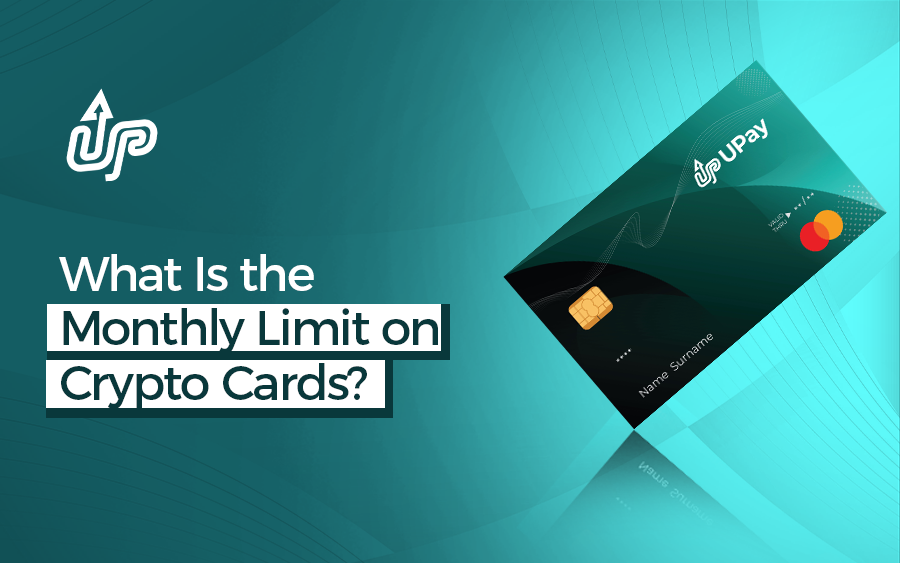
Daily caps, monthly spending limits, ATM restrictions, crypto card limits explained. Find out how much you can spend and withdraw, to ensure a smooth and convenient cryptocurrency experience.
The Protocol: Solana’s ‘Alpenglow’ Upgrade Is Live for Testing
Solana has moved its most ambitious protocol overhaul yet into community validator testing, marking a major milestone for a network that has spent years balancing speed with reliability concerns. On May 11, Solana development firm Anza confirmed that “Alpenglow,” a redesigned consensus system intended to dramatically reduce transaction finality times, is now running on a live community test cluster ahead of a possible mainnet rollout. The announcement is significant because Alpenglow does far more than introduce incremental efficiency upgrades. The proposal replaces both Proof of History and TowerBFT, two mechanisms that have defined Solana’s architecture since launch. If successfully deployed, Alpenglow could reshape Solana’s position in the race among high performance Layer 1 blockchains.Solana launched live community validator testing for “Alpenglow,” its biggest consensus overhaul since the network launched. Key Takeaway Solana Targets Near-Instant Finality The central goal of Alpenglow is reducing transaction finality from roughly 12.8 seconds to around 150 milliseconds, with developers saying confirmation times could approach 100 milliseconds under favorable network conditions. That would place Solana closer to the speed expectations of traditional internet infrastructure rather than conventional blockchain systems. The new framework introduces two key components: Votor and Rotor. Votor is a lightweight voting protocol designed to finalize blocks in one or two rounds depending on validator participation. Under the current TowerBFT system, validators submit votes as on-chain transactions, consuming substantial block space and slowing finalization. Alpenglow moves voting off chain through direct messaging and signature aggregation. Developers estimate that validator vote transactions currently consume more than half of Solana’s block capacity.Removing those transactions could free up significant space for users while also improving network responsiveness. Rotor, meanwhile, replaces Solana’s Turbine propagation system and is designed to distribute block data across validators more efficiently through stake weighted relays and optimized broadcasting. The upgrade also eliminates Proof of History from the network’s consensus process, replacing the mechanism with fixed 400-millisecond block timing and local timeout coordination. Why This Upgrade Matters for Solana The technical overhaul addresses one of the largest criticisms surrounding Solana: network stability. Since its launch, Solana has experienced multiple outages tied to congestion events, meme coin trading spikes, NFT launches, and validator coordination issues. Critics have argued that Solana’s pursuit of speed often came at the expense of resilience. Alpenglow is designed to tackle those weaknesses directly. The protocol introduces a new “20+20” fault tolerance structure capable of handling up to 20% malicious validators and 20% offline validators simultaneously. Traditional Byzantine fault-tolerant systems typically operate closer to a 33% combined threshold. Developers also believe faster finality could change the economics surrounding maximal extractable value, or MEV, on Solana. Solana co-founder Anatoly Yakovenko said the shorter finalization window makes delay based transaction ordering significantly more difficult for validators attempting to exploit transaction sequencing opportunities. Because blocks finalize in milliseconds rather than seconds, validators have less time to manipulate transaction order for profit. Validators Backed the Proposal Overwhelmingly Alpenglow already cleared one of the largest governance hurdles facing major blockchain upgrades. Solana validators approved the proposal under SIMD-0326 with roughly 98% support during the network vote held in 2025. That level of approval is unusually high for a protocol rewrite affecting the consensus layer itself. The community test cluster now allows external validator operators to run the new software in a live environment for the first time. Previous internal testing was reportedly limited to about 45 validator nodes. Developers are also testing what they describe as the “Alpenswitch,” the migration process between the current TowerBFT framework and the new Alpenglow consensus mechanism. Mainnet Rollout Could Arrive in 2026 While excitement around the upgrade is growing, Alpenglow remains far from full deployment. Solana’s official upgrade roadmap currently ties the proposal to Agave 4.1, with broader mainnet activation expected sometime in late 2026 if testing proceeds smoothly. Yakovenko recently suggested at Consensus Miami that rollout timelines could accelerate depending on testnet performance, though developers continue emphasizing caution around consensus layer changes. At the time of writing, SOL traded near the $97 level following the announcement, showing relatively muted market reaction despite the scale of the protocol redesign. Analysts say that is partly because the upgrade remains upstream of mainnet and because crypto markets often wait for successful deployment before pricing in infrastructure changes. A Defining Moment for Solana’s Future Alpenglow may ultimately become one of the most consequential upgrades in Solana’s history. Proof of History was long considered Solana’s signature innovation and a defining part of its identity within the blockchain sector. Replacing it signals a willingness among developers to rethink core architecture in pursuit of scalability and reliability. If the upgrade delivers as promised, Solana could strengthen its case as a blockchain capable of supporting real time financial applications, low latency trading systems, gaming infrastructure, and large-scale consumer platforms. For now, however, the focus remains on testing. The next several months will determine whether Alpenglow can move from a promising technical proposal into a stable production-ready system capable of operating under real-world network conditions without compromising decentralization or security.
Legitimate Crypto Recovery Companies: Verified Firms & Scam Warning
If you are searching for crypto recovery companies right now, you are likely in one of two situations: you have lost access to a wallet, or you have lost funds to a scam. In either case, the next decision you make is critical, because the crypto recovery industry contains as many fraudulent services as legitimate ones, and scam victims are the primary target. This guide lists only verified, identifiable companies with traceable credentials, Trustpilot records, or documented law enforcement partnerships. We also show you exactly how to identify fake recovery services, because a secondary scam is the most common outcome for people who search this term without guidance. If you need to act immediately, skip to What to Do in the First 48 Hours below before contacting any recovery firm. Key Takeaways Full company profiles, comparison table, etc, below. Legitimate Crypto Recovery Companies — At a Glance Use this table to quickly identify which company matches your situation before reading full profiles below. COMPANY TYPE FOUNDED SPECIALITY FEE MODEL TRUST PILOT BEST FOR KeychainX Wallet Recovery 2018 Legacy wallets, password cracking, hardware repair No-recovery-no-fee 5.0 (121 reviews) Lost password / forgotten wallet access Rewallet Wallet Recovery N/A Password recovery, desktop/mobile/hardware wallets Case-dependent Verified operator Password recovery across wallet types Elliptic Blockchain Analytics 2013 Fraud detection, compliance, fund tracing Enterprise contract Institutional Exchanges, law enforcement, B2B Chainalysis Blockchain Analytics 2014 Fund tracing, forensic reports, government work Enterprise contract Institutional Large-scale theft, government cases Asset Reality Asset Recovery 2021 Full-service recovery, ex-law enforcement team Success-based CoinDesk verified Individual victims, post-scam recovery Read Also: The Best Security Features for Your Virtual Crypto Card KeychainX KeychainX is a highly specialized wallet recovery firm founded in 2018 in Warsaw, Poland, with a strong reputation for helping users recover Bitcoin and other cryptocurrencies from old, damaged, or otherwise inaccessible wallets. They are particularly skilled at recovering funds from older wallet formats like Bitcoin Core, Blockchain.info, and MultiBit, formats that pose challenges due to outdated or corrupted files. One of their most notable cases involved helping a retired truck driver recover a $3 million Dogecoin wallet. KeychainX uses custom-built tools and software to crack wallet encryption, retrieve lost private keys, or bypass corrupted files. Their team also offers support for physical wallet recovery from damaged hardware devices like broken Trezor or Ledger wallets. With a privacy-focused approach, they never store user data. How to get started: Visit keychainx.io, submit a case description, and their team will assess your situation. They operate on a no recovery, no fee model and hold a Trustpilot score backed by over 120 five-star reviews. Best for: Technical wallet issues, legacy wallet formats, and damaged hardware devices. Related: How to Find Legitimate Crypto Recovery With a privacy-focused approach, they never store user data and ensure a smooth recovery process for clients. Rewallet Rewallet is another trusted name among legitimate crypto recovery companies, known for offering both technical recovery and password-cracking services. They specialise in password recovery for wallets where users have forgotten their credentials. Rewallet works with a variety of wallet types including desktop, mobile, and hardware wallets. Their team uses advanced cryptographic methods and custom tools to retrieve assets without damaging the wallet’s integrity. What sets Rewallet apart is its personalised approach to customer service, working directly with clients to resolve specific wallet issues and walking them through each stage of the recovery process. They also provide educational support to help users understand wallet security practices and avoid future problems. How to get started: Visit rewallet.de and submit a request with details about your wallet type and the nature of your access issue. Fees are discussed on a case-by-case basis, typically structured around the complexity of the recovery. Best for: Forgotten wallet passwords, desktop and mobile wallet recovery, and personalised support. Elliptic Elliptic, was founded in 2013 by Dr. James Smith, Tom Robinson, and Adam Joyce. The company uses machine learning and blockchain analytics to uncover illicit crypto activity, helping exchanges, financial institutions, and law enforcement agencies track and recover stolen funds. Their services focus on cryptocurrency compliance and fraud detection, identifying where stolen funds have moved across the blockchain and providing the intelligence needed to freeze or seize them. Important note: Elliptic is an enterprise and institutional tool. It primarily serves crypto exchanges, regulated financial institutions, and government agencies, not individual users seeking personal recovery assistance. If you are an individual who has lost funds to a hack or scam, Elliptic is not the right contact. However, if you are working with law enforcement on a fraud case, they may be involved in that investigation. Best for: Exchanges, regulators, law enforcement, and fraud investigations at scale. Read Also: Can You Use Crypto Cards for Gambling? Chainalysis Chainalysis was founded in 2014 by Michael Gronager and Jonathan Levin. Known for its comprehensive blockchain analytics platform, Chainalysis specialises in tracing stolen cryptocurrency across wallets, exchanges, and jurisdictions. Their investigative tools have been used to recover over $11 billion in stolen assets, including high-profile cases such as the Mt. Gox hack and the $600 million Axie Infinity exploit. Their 24/7 incident response service allows for real-time fund tracing in collaboration with law enforcement worldwide. Important note: Like Elliptic, Chainalysis primarily serves institutional clients, including crypto businesses, exchanges, regulators, and law enforcement agencies. Individual users cannot directly engage Chainalysis for personal recovery cases. However, law enforcement agencies handling your case may use Chainalysis tools as part of their investigation. Best for: Law enforcement, government agencies, crypto exchanges, and large-scale fraud investigations. Asset Reality Asset Reality is a London-based crypto asset recovery firm founded in 2021 and backed by Framework Ventures, TechStars, and SGH Capital making it one of the few victim-focused recovery companies with verifiable institutional backing. The firm was featured by CoinDesk following a $4.91M seed funding round. Unlike analytics firms that primarily serve institutional clients, Asset Reality was specifically built to serve individual victims of crypto theft and scams. Its team includes former law enforcement and private sector asset recovery practitioners who
The Top Crypto Memes Taking Over 2026

HODLing till moon? Not so fast! These top crypto memes are taking the world by storm in 2025. Find out which makes the biggest splash.