


SEC Proposes New Crypto Offering Rules as Congress Stalls on Digital Asset Legislation
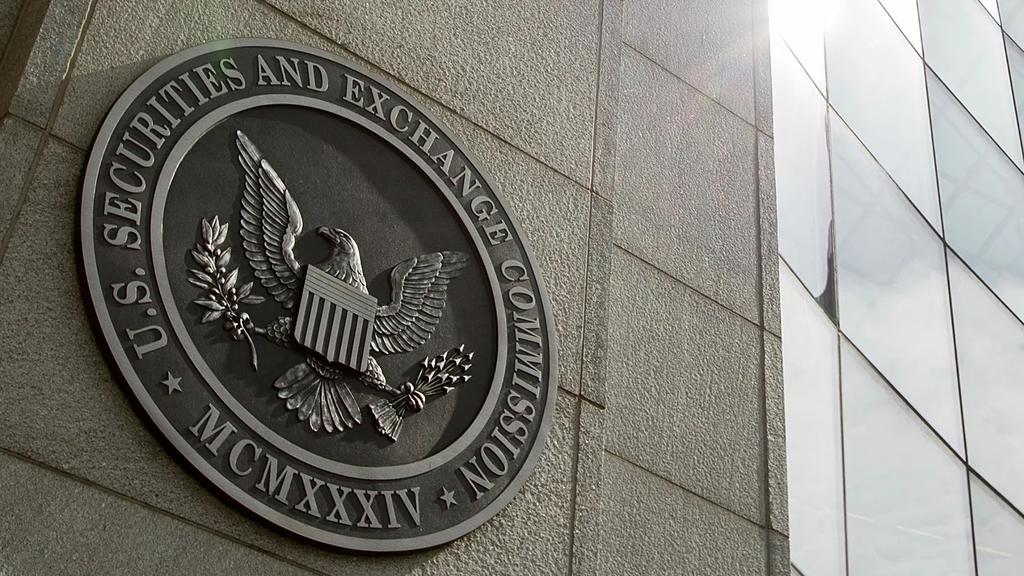
The US Securities and Exchange Commission has proposed a new regulatory framework that could make it easier for crypto companies to issue tokens and raise capital without going through the full securities registration process. Announced on Aug. 18, the proposal, called “Regulation Crypto Assets,” introduces two offering exemptions and a conditional safe harbor for certain crypto assets. The move comes as Congress struggles to advance the Digital Asset Market CLARITY Act, leaving regulators to address some of the industry’s longstanding legal uncertainty. Key Takeaways SEC Creates New Paths for Crypto Fundraising The proposal builds on interpretive guidance issued by the SEC earlier this year and is designed specifically for certain investment contracts involving crypto assets. Under the first exemption, an issuer could conduct a one time offering of up to $5 million during a four year period without registering the offering under the Securities Act of 1933. A second exemption would permit qualifying issuers to raise as much as $75 million during any 12 month period. Both routes would require companies to provide investors with certain principles based disclosures. Issuers using the $75 million exemption would face additional obligations, including providing financial statements and meeting ongoing reporting requirements. SEC Chair Paul Atkins said the regulator wants to provide clearer fundraising options while Congress continues working on broader legislation. “Regulation Crypto Assets seeks to provide crypto asset entrepreneurs and market participants with clear pathways to raise capital under the federal securities laws.” The proposal could reduce regulatory barriers that crypto companies have long argued encourage businesses to establish operations outside the United States. Industry groups responded positively. Blockchain Association CEO Summer Mersinger described the proposal as an important move toward the tailored rules US digital asset markets have sought for years. Safe Harbor Could Clarify a Token’s Securities Status Another significant part of the proposal is a conditional safe harbor addressing when a crypto asset should no longer be considered subject to an investment contract. Under the SEC’s proposal, a crypto asset could qualify for the safe harbor after an issuer has completed or permanently stopped the essential managerial efforts it represented or promised it would perform, provided the other conditions are met. That distinction could provide issuers with a clearer route for tokens initially distributed through investment contracts to eventually exist outside that classification. The proposed rules would also preempt certain state securities registration requirements for qualifying offerings and some secondary market transactions. However, the package does not contain the anticipated “innovation exemption” for tokenized securities. That remains separate from the Regulation Crypto Assets proposal. SEC Moves as Clarity Act Remains Stuck in Senate The timing places the SEC’s rulemaking alongside Congress’ stalled attempt to establish a comprehensive digital asset market structure. The CLARITY Act is intended to establish clearer federal oversight of crypto markets, including the respective responsibilities of the SEC and Commodity Futures Trading Commission. Senate Majority Leader John Thune filed a cloture motion before lawmakers left Washington for the August recess, setting up another opportunity to advance the legislation when the Senate returns in September. The congressional calendar, however, leaves lawmakers with a narrow window before attention shifts toward the November elections. Atkins acknowledged that SEC rulemaking cannot fully replace legislation passed by Congress. “Legislation remains indispensable to enacting ‘future proofed’ rules of the road that are durable enough to protect the work we are undertaking today from being unwound by a future rogue regulator.” The CFTC is also considering regulatory action that could complement future congressional legislation, adding another layer to the federal government’s push to establish clearer crypto rules. Conclusion The SEC’s Regulation Crypto Assets proposal could give US crypto companies more defined routes for issuing tokens and raising capital while providing a possible pathway for certain assets to move outside investment contract treatment. Still, the proposal is not final. A 60 day public comment period will begin after publication in the Federal Register, and the SEC could modify the rules before adoption. More importantly, the agency’s action does not resolve the wider question of federal crypto market structure. Unless Congress advances the CLARITY Act or similar legislation, much of the US framework will continue to depend on regulatory actions that a future administration could potentially revisit.
UK HMRC Crypto Tax Warnings Nearly Triple to 81,172

The UK’s tax authority has sharply increased scrutiny of cryptocurrency investors, sending 81,172 warning letters, emails and text messages during the 2025/26 financial year over possible unpaid tax. The figure is nearly three times the 27,714 warnings sent in 2023/24 and up from 64,982 in 2024/25, according to data obtained through a Freedom of Information request by accountancy firm UHY Hacker Young. The rise suggests HM Revenue and Customs is becoming more active in identifying investors whose reported tax affairs may not match their crypto activity. Key Takeaways HMRC Steps Up Scrutiny of Crypto Investors The 2025/26 total represents an increase of roughly 25% from the 64,982 warnings issued in the previous financial year and a rise of more than 190% compared with 2023/24. HMRC has not disclosed how much unpaid tax has been identified through the latest campaign. Receiving a warning also does not automatically mean that an investor owes money or is under formal investigation. An HMRC spokesperson said the agency regularly contacts taxpayers to encourage them to check whether their filings are accurate. “We regularly send letters to educate, remind or prompt customers to review their tax affairs, including customers who use crypto assets.” The warnings are often described as “nudge letters” because they encourage recipients to check transactions and make corrections before HMRC escalates a case. Accountants believe a significant part of the tax authority’s attention may be directed toward gains generated during the major cryptocurrency rally from late 2022 through 2025. Bitcoin rose from around £14,000 in December 2022 to roughly £90,000 by October 2025. That rally could have created taxable gains for investors who sold or exchanged their holdings during the period. Crypto Swaps Can Create Tax Liabilities One source of confusion for investors is that UK tax obligations are not limited to converting cryptocurrency into pounds. A crypto disposal can occur when an investor sells tokens for fiat currency, swaps one cryptocurrency for another, uses digital assets to purchase goods or gives crypto to another person, although some transfers such as gifts between spouses can receive different treatment. This means an investor who traded Bitcoin for Ether, for example, may still have created a taxable event even if no money ever entered their bank account. Capital Gains Tax is based on the profit made rather than the full transaction amount. Investors therefore need records showing acquisition costs, disposal values, fees and transaction dates. Crypto received through activities such as employment, mining, staking, lending or certain decentralized finance arrangements may also be treated differently and can create Income Tax obligations. Neela Chauhan, partner at UHY Hacker Young, said some crypto users may underestimate how much visibility tax authorities have over their transactions. “A lot of the traders are young, have had little previous exposure to HMRC and often work under the assumption that HMRC has limited visibility over their activities.” New Reporting Rules Will Expand HMRC’s Visibility HMRC is expected to gain much broader access to crypto transaction data through new international reporting arrangements. The UK introduced the Cryptoasset Reporting Framework from Jan. 1, 2026, requiring covered service providers to collect customer identity and transaction information. The first reports covering 2026 activity are expected to be submitted between January and May 2027. The framework could also allow information sharing between participating jurisdictions, giving HMRC access to data from some overseas crypto platforms used by UK residents. Chauhan warned that these expanded data sharing arrangements could make future investigations much easier. “Once HMRC has this data, tax investigations into cryptocurrency investors will be like shooting fish in a barrel.” The government estimates the reporting measures could generate up to £315 million in additional tax revenue by April 2030. Conclusion HMRC’s decision to send more than 81,000 crypto tax warnings in a single financial year shows how quickly digital asset taxation is moving into mainstream enforcement. The increase does not mean every recipient has underpaid tax, but it does signal that HMRC is paying much closer attention to crypto transactions and comparing available information with taxpayer filings. With broader exchange reporting due to expand in 2027, investors who have previously sold, swapped or earned cryptocurrency may have less room to assume their activity will remain unnoticed. Keeping complete records and correcting any inaccurate filings is becoming increasingly important as the UK strengthens its crypto tax oversight.