BVNK Opens Stablecoin-Funded Bank Payouts in 11 Currencies via Mastercard Move
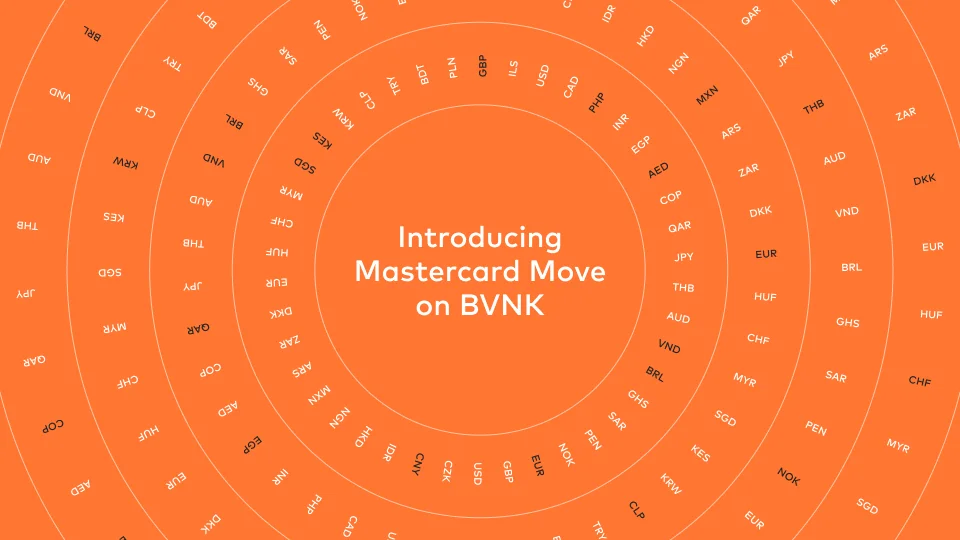
A marketplace can hold dollars in stablecoins and still owe a supplier in Mexican pesos. The supplier may have no reason to open a crypto wallet, especially if the money is due for wages or inventory. BVNK’s new payout option lets the marketplace fund the payment from its stablecoin balance while the supplier receives pesos in a bank account. BVNK announced the feature on November 11, with bank payouts in 11 currencies at launch. It uses Mastercard Move to deliver local currency to recipients. For a finance team that already holds stablecoins, the change gives it another way to pay overseas suppliers and contractors without asking them to handle the conversion. Key Takeaways How the Payout Works A business initiates a payout through BVNK’s merchant portal or API. BVNK converts the funds and routes the local currency payment through Mastercard Move. The recipient gets a bank transfer and does not need to receive or redeem a stablecoin. That difference matters in projects such as Circle’s plan to pay Move Afrika vendors in USDC. A vendor who receives USDC may still need to convert it to pay staff or suppliers. With BVNK’s bank payout option, the conversion takes place before the money reaches the recipient. The sender can hold funds in one form and pay a supplier in another. Which Currencies Are Available? The Paypers lists the 11 launch currencies as USD, CAD, GBP, EUR, MXN, BRL, ARS, COP, CLP, PHP and KRW. A marketplace paying a supplier in Mexico or a contractor in the Philippines can check for a payout in pesos. A business that needs to deliver a currency outside the list still needs another route. The currency list is a starting point. Before promising a delivery date, confirm that your account can send the payment, that the beneficiary’s account can receive it, and that you have the required bank details. A missing detail can delay a payout even when the currency is supported. What Finance Teams Should Check First Start with an actual invoice. If a supplier expects 20,000 Mexican pesos, check whether you can specify that exact amount as the payout and see the total cost before sending. When checking how much a recipient will get, look at the exchange rate alongside the transfer fee. A low visible fee tells you little if the conversion leaves the invoice short. Next, check what the provider shows after you submit the payment. A submitted payout and a credit to the beneficiary’s bank account are different milestones. The payout report should give your team enough information to match the transaction to the original invoice without relying on a screenshot or a message from the supplier. If a payment fails, confirm where the funds return and whether a fresh exchange rate applies on retry. Conclusion BVNK and Mastercard Move give businesses a way to fund bank payouts with stablecoins across 11 launch currencies. Before switching recurring payments, try one invoice on a supported route. Check what the supplier receives, when it arrives and whether your finance team can close out the invoice from the payout record.
Anchorage Digital and Lydian Partner on Stablecoin Checkout for Merchants

Anchorage Digital has partnered with Lydian to support stablecoin payments at online and in-store checkouts. Anchorage Digital Bank will provide infrastructure for creating, redeeming and holding stablecoins behind Lydian’s merchant payment platform. The arrangement is designed to let a customer pay with a supported digital asset while the merchant receives its payout in local currency. The partnership gives businesses another example of how stablecoin checkout can work without requiring a shop to hold a stablecoin balance. The details that determine its value to merchants, including where it is available, what it costs and how quickly funds arrive, still need to be checked at the provider level. Key Takeaways What Each Company Does In its partnership announcement, Anchorage Digital describes the bank’s role as providing the infrastructure behind Lydian’s merchant acceptance service. Minting creates stablecoin units, redemption converts eligible units back into the value they represent, and custody covers the safekeeping of assets. These are distinct from the checkout tools a shopper or merchant interacts with. Lydian handles the payment side that a business integrates. A shopper can use a supported digital asset to pay an invoice or make a purchase, while the merchant can receive a payout in local currency. The Paypers’ November 13 coverage also describes the partnership in terms of merchant acceptance and local-currency settlement. A Stablecoin Payment and a Merchant Payout Are Separate Steps A successful blockchain transfer can show that the customer sent payment while leaving another step to complete: getting the proceeds into the merchant’s account. The provider may still need to convert the balance, apply fees and initiate a local payout. UPay’s guide to USDC payment gateways explains how payment confirmation and merchant settlement fit into the same transaction. Consider a retailer that prices an item in local currency and accepts a dollar stablecoin at checkout. The retailer needs to know which exchange rate determines the amount charged, when that rate is fixed, and how much it will receive after any fees. If it later needs to refund the customer, it also needs to know which currency or asset the refund uses and how the provider calculates the amount. This is a different use case from UPay’s coverage of Visa adding Western Union’s USDPT, which concerned settlement between eligible institutions. Here, the checkout option affects the customer directly, and the local-currency payout affects the merchant’s cash flow. What Merchants Should Check Before Using It A business assessing the service should confirm that it can onboard in its market, receive the currency it needs and use the relevant checkout integration. It should also ask how the provider handles late or partial payments, what information appears in payout reports and how staff can match a payout to the orders it covers. Timing matters especially for businesses that use receipts to pay suppliers or staff. A payment that clears promptly on a blockchain may still reach the merchant after a bank cutoff or on a separate payout schedule. UPay’s remittance overview illustrates the same distinction from the recipient’s side: money arriving in a digital wallet and money being usable through a local service are different milestones. Conclusion The Anchorage–Lydian partnership is designed to let customers pay with digital assets while merchants settle in local currency. The useful test for a business is what it actually receives after fees, how long the payout takes, and whether its team can reconcile payments and handle refunds in its own market.