


Current Economic Situation in Belgium
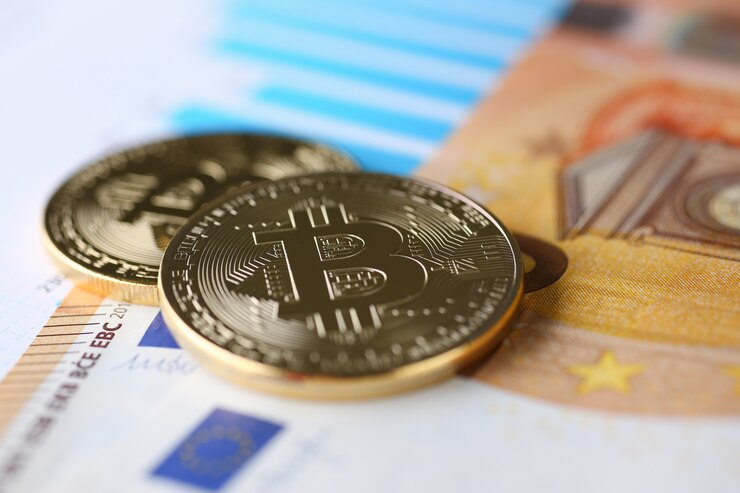
Image Source: Freepik
Belgium is facing economic challenges that could potentially boost cryptocurrency adoption, particularly due to high inflation and economic instability.
Now, as the cost of living rises and wage growth stagnates, both individuals and businesses are increasingly looking into alternative investment options, such as cryptocurrencies.
Furthermore, the political and financial tensions between Flanders and Wallonia are creating uncertainty in Belgium’s economy, leading investors to explore cryptocurrencies for stability. Additionally, Belgium’s complicated government setup, with many layers of administration, can be confusing for businesses.
As a result, cryptocurrencies are becoming an attractive choice because they simplify transactions and investments. Furthermore, Belgium’s economy is heavily reliant on exports, which account for 86% of its GDP, with around 60% going to other EU countries.
This dependence makes it vulnerable to fluctuations; however, cryptocurrencies provide a way for businesses to diversify their investments and safeguard against potential downturns.
Fortunately, these factors have created an environment in Belgium where cryptocurrency can emerge as a viable alternative for those looking to navigate uncertainty and diversify their investments.
Current State Of Crypto Adoption in Belgium
Image source: Gocrypto
According to Statista, the cryptocurrency market in Belgium is projected to reach a revenue of US$620.9 million in 2025, reflecting the increasing interest and involvement in digital assets.
Even though, the market is expected to show a slight increase in 2026 with a 3.13% annual growth rate (CAGR), resulting in a projected revenue of US$640.4 million by 2026, the number of users is expected to grow.
By 2026, 6.28 million Belgians are expected to be involved in the crypto market, with a 53.37% user penetration rate. These figures show the growing confidence in cryptocurrency, despite global market fluctuations and regulatory changes.
Still, the average revenue per user (ARPU) in Belgium’s crypto market is expected to be US$101.9 in 2026. To put this in perspective, the United States will lead globally with a projected revenue of US$16.7bn by 2026.
Although Belgium’s numbers are more modest, its consistent growth shows that the country is catching up in crypto adoption.
How Belgium Compares to Other European Countries
When you compare Belgium’s crypto adoption to other European nations, it becomes clear that while Belgium is progressing, it still has some catching up to do. Here’s a look at the current user penetration rates:
- United Kingdom: 40.44%
- Russia: 29.06%
- Ukraine: 8.60%
- Germany: 40.44%
- Belgium: 51.85%
Interestingly, wealthier nations like the United Kingdom and Germany have lower adoption rates because their citizens tend to invest more in traditional assets such as stocks and bonds.
However, Belgium’s alignment with EU regulations like MiCA could create an avenue for even more growth.
This regulatory compliance might encourage more people and businesses to participate in the crypto market, helping Belgium catch up with other crypto-friendly nations.
Key Players in Belgium’s Crypto Market
Exchanges and Trading Platforms
With the way crypto is expanding in Belgium, we can see that the country’s crypto market isn’t just about individual investors anymore.
It’s worth mentioning that key players in exchanges, startups, and even traditional financial institutions are driving growth in this sector. This means the field is getting a lot bigger, and everyone interested can find a place in it.
For example, cryptocurrency exchanges have been crucial in making digital asset trading accessible. In Belgium, a few platforms are leading the way:
UEEx
In Belgium, UEEX is becoming a go–to platform for crypto traders. Its user-friendly interface and fast transaction times make it easy for both beginners and experienced traders to buy and sell various cryptocurrencies.
The platform’s clear fee structure and strong focus on security give Belgian users confidence in their trades. Plus, with responsive customer support, a lot of people are finding it a reliable and efficient way to manage their crypto investments.
Binance
With thousands of Belgian users, Binance is one of the world’s largest crypto exchanges. It offers a wide range of cryptocurrencies, low fees, and advanced tools, making it popular with both casual users and serious traders.
Coinbase
Another well-known exchange, Coinbase is easy to use and trusted by many. It’s ideal for beginners, offering a simple interface while still providing enough options for more experienced traders.
Bitstamp
Bitstamp is another platform that’s gaining ground in Belgium. It has a strong reputation for security and reliability, which makes it a favorite for those looking for a more stable trading experience.
Innovative Startups
Belgium has also become a hotbed for blockchain innovation. Several local startups are gaining recognition both domestically and internationally:
- SettleMint: This blockchain platform provider raised €16 million in funding and expanded its operations to other countries, helping businesses integrate blockchain into operations like supply chain management and decentralized applications.
- Venly: Venly focuses on creating blockchain wallets. They’ve teamed up with gaming companies to bring NFTs (Non-Fungible Tokens) into games, making blockchain technology more accessible to everyday users.
- Open Task Force: This platform helps businesses and experts work together on shared projects. They focus on pooling resources like equipment and securely managing transactions between everyone involved, from investors to contributors.
Traditional Financial Institutions
Even traditional financial institutions in Belgium are exploring blockchain and crypto technologies:
- KBC Bank: KBC is actively pursuing a Crypto Asset Service Provider (CASP) license. As of July 2025, the bank plans to offer Bitcoin and Ether investments to retail customers through its digital investment platform, Bolero. If successful, KBC would be the first Belgian bank to secure such a license.
- Euroclear: This Brussels-based financial services company is experimenting with blockchain technology for securities settlement, streamlining processes in financial transactions.
- CACEIS: This French bank has obtained a MiCA license and is now passporting its crypto services into Belgium, making them available to Belgian clients.
Belgium’s alignment with the EU’s MiCA directive provides the regulatory clarity necessary for the country to attract more blockchain businesses and become a key player in Europe’s fintech scene.” – European Commission
Crypto Laws & Regulations in Belgium
Source: .lifewithcrypto
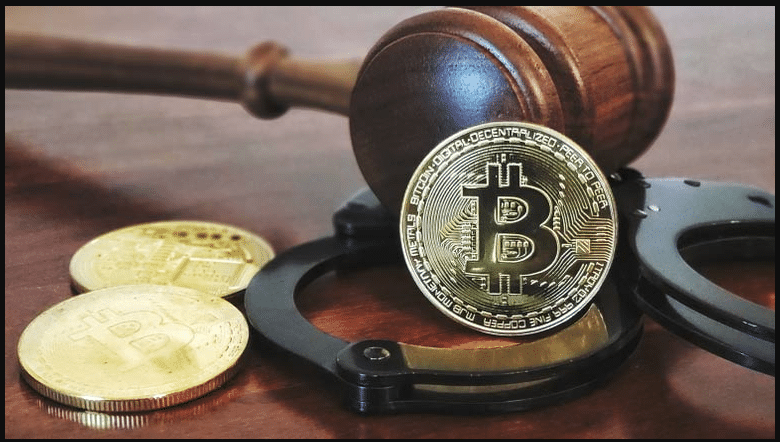
In Belgium, as in many other countries, the approach to cryptocurrency regulation has been progressive. What’s great about this development is that it’s creating an environment that encourages growth while still providing the needed oversight and control.
“The legal framework around cryptocurrencies is designed to encourage innovation while ensuring market integrity and protecting consumers through regulations on transparency and taxation.” – FSMA
Legal Status of Cryptocurrencies
In Belgium, cryptocurrencies are recognized as digital assets but are not classified as legal tender. The National Bank of Belgium (BNB) and the Financial Services and Markets Authority (FSMA) have warned users of the risks.
The FSMA emphasizes a framework to protect consumers, including new powers to regulate crypto advertising aimed at non-professional investors.
EU MiCA Framework Implementation
Belgium is aligning with the European Union’s Markets in Crypto-Assets (MiCA) directive, which became fully enforceable on December 30, 2024. As of mid-2025, Belgium has not yet fully empowered the FSMA to grant domestic MiCA licenses, creating a temporary regulatory pause.
Existing CASPs active before December 30, 2024, can operate under a transitional regime until July 1, 2026. Cross-border CASPs can serve Belgian clients using EU passporting.
Taxation of Cryptocurrencies
The tax situation is nuanced and depends on the nature of the transactions:
- For Individuals: Profits are often taxed as “miscellaneous income” at a 33% rate, particularly for speculative transactions.
However, if gains result from the “normal management of private assets,” they may be exempt (0%). This distinction remains a gray area often decided case-by-case.
- Proposed Changes: As of early 2025, a proposal includes a new 5% solidarity contribution on capital gains from financial assets, including crypto, which would end Belgium’s “tax haven” status for long-term holders. This is not yet law.
- For Businesses: Profits from crypto in a business context are taxed as regular business profits.
- VAT: Exchange transactions in cryptocurrencies like Bitcoin are exempt from VAT.
Taxation of NFTs
NFTs are treated differently from cryptocurrencies. They are not seen as a means of payment but as digital collectibles. Trading NFTs is considered a supply of services subject to the standard VAT rate of 21%. Capital gains from NFTs are subject to corporate (25%) or personal (33%) income tax.
Reporting and AML
To prevent money laundering, transactions over €1,000 must be reported to authorities. The upcoming European DAC8 Directive will also soon require crypto platforms to automatically report customer data to tax authorities, which will significantly increase transparency.
Infrastructure and Business Adoption
Another important factor in crypto adoption is Belgium’s growing physical and digital infrastructure, which is making cryptocurrency more accessible to everyone.
This development makes it easier to invest in crypto and perform other transactions.
Cryptocurrency ATMs
The number of crypto ATMs in Belgium has risen since 2023. For example, as of January 2024, you’ll find these ATMs mainly in major cities like Brussels, Antwerp, and Ghent. They let users easily buy or sell cryptocurrencies like Bitcoin using cash.
If people can do this easily without any stringent restrictions, it means businesses can start adopting cryptocurrency more readily.
However, it’s important to note that while crypto adoption by businesses is still in its early stages, just a few online retail stores in Belgium now accept digital currencies. Additionally, businesses with international customers have integrated crypto payments to make cross-border transactions faster and cheaper
Blockchain Beyond Finance
Blockchain technology is expanding beyond finance in Belgium, with several sectors adopting decentralized technology:
- Port of Antwerp-Bruges: This major shipping hub uses a blockchain-based container release system to enhance security and transparency in cargo operations.
- Fluvius: The Belgian energy company is piloting blockchain solutions for peer-to-peer energy trading, allowing consumers to trade excess energy among themselves.
Challenges and Opportunities

Source: coinfomania
Of course, as with any emerging technology, the growth of cryptocurrency in Belgium comes with both challenges and opportunities.
Challenges
- Regulatory uncertainty: Although Belgium has made progress, there’s still uncertainty surrounding token classification and future EU regulations.
- Price volatility: Cryptocurrencies are known for price fluctuations, which can be a deterrent for investors more accustomed to stable assets.
- Education gap: A significant portion of the population still lacks a clear understanding of blockchain and cryptocurrencies, slowing down widespread adoption.
Opportunities
- EU leadership: Belgium has the chance to take a leadership role in EU-wide crypto regulations, positioning itself as a pioneer in the European crypto scene.
- Fintech hub potential: With its growing blockchain startup ecosystem, Belgium has the potential to become a European fintech hub, attracting talent and investment.
- Cross-border transactions: Belgium’s central location and strong ties to the EU make it an ideal gateway for international crypto transactions.
Looking Ahead: What’s Next for Crypto in Belgium?

Source: Freepik
As crypto adoption continues to grow in Belgium, several exciting developments are expected in the coming years.
Future Predictions
- The crypto user penetration rate could rise to 53.37% by 2026 as more Belgians view digital assets as a viable investment and payment option.
- Belgium may introduce a regulatory sandbox for crypto startups, allowing new companies to test their products with fewer regulatory burdens.
- By 2030, blockchain and crypto technologies could contribute up to €2 billion to Belgium’s GDP, especially as more industries integrate decentralized technologies.
Areas to Watch
- Growth in institutional crypto products like ETFs, custodial services, and the planned retail offerings from KBC Bank via Bolero.
- Increased blockchain adoption in sectors like supply chain management, healthcare, and logistics.
- New EU rules promoting digital currency transactions across member states are driving the rise of cross-border crypto payments.
Conclusion
Belgium’s cryptocurrency market is evolving quickly due to economic challenges, supportive regulations, and expanding infrastructure. As more individuals and businesses explore crypto as an alternative investment, Belgium is positioned to become a key player in the European crypto market.
With rising adoption rates, innovative startups, and a forward-thinking regulatory environment, the future is bright. Belgium is ready to embrace cryptocurrency and blockchain technology, setting the stage for a more integrated financial future.