
Fraudsters are using Binance’s withdrawal disruption to advertise fake compensation and paid assistance, adding another risk for customers following the exchange’s October 29 security breach.
Reports published on November 2 described manipulated screenshots promising $150 rewards. Binance also warned that impersonators could approach users with offers to accelerate withdrawals, claim compensation or move assets into supposed protected wallets.
The message for customers is straightforward: a convincing screenshot or familiar company name does not establish that an offer comes from the exchange. Any action involving funds should begin through independently verified channels.
Key Takeaways
- Fake promotions have claimed users can receive $150 for the withdrawal disruption.
- Binance warns against paid queue priority, unlocking fees and transfers to purported safe accounts.
- Customers should check withdrawal status in the official app and verify communications independently.
A Compensation Claim Is Not a Recovery Update
The fake offers emerged as Binance restored withdrawals in phases. Share Talk’s November 2 reporting described altered screenshots claiming compensation for the temporary suspension.
That claim should be distinguished from Binance’s commitment to replace assets affected by the breach. A platform buying replacement tokens and a customer receiving an unsolicited reward offer are different matters.
UPay’s Binance withdrawal update explains the distinction between asset replenishment and live access to transfers. Neither milestone authenticates a separate claim link circulating on social media.
For someone waiting to pay a supplier or send money, the promise of immediate access can be persuasive. That urgency is precisely why a payment decision should rely on the account’s actual status rather than an outside message.
Scammers Offer to Bypass Withdrawal Restrictions
In its November 2 security reminder, Binance described approaches through private messages, emails, group chats and small transfers carrying attached messages.
The exchange said it would not sell withdrawal priority, charge to unlock an asset or network, or ask users to transfer money to a vault or safe account. It also warned against requests for passwords, authentication codes or recovery phrases.
Customers should not treat a payment demand as a normal step in resolving a platform restriction. An individual contacting them cannot establish withdrawal availability merely by claiming to work for support.
The same impersonation pattern appears in other common crypto scams: borrow a trusted identity, introduce a problem or reward, then request money or sensitive information.
Verify the Source Before Taking Action
Binance directed users to check pending withdrawals inside its app and use its official verification service to check questionable accounts or websites.
Open the app or an independently saved official address yourself. Following a link supplied by the person making the offer leaves that person in control of where the verification happens.
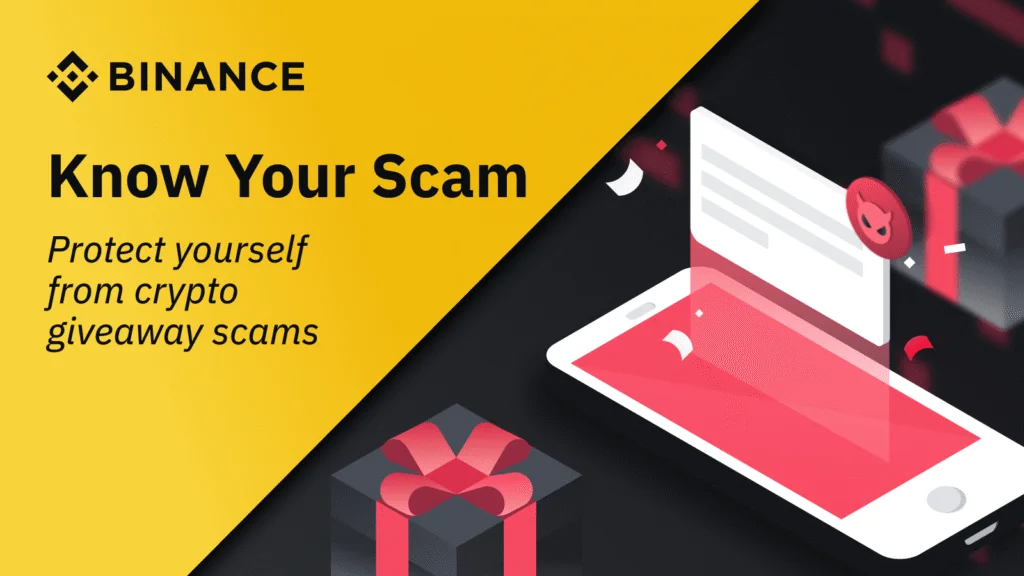
Copied logos, matching colours and professional language are not sufficient checks. Binance’s established giveaway-scam guide describes lookalike profiles and websites that demand fees or personal information before releasing a promised prize.
Read the requested action as carefully as the message. A compensation offer that turns into a wallet authorisation or transfer request introduces a new risk, regardless of how reassuring the surrounding wording appears.
What to Do After a Suspicious Approach
Stop the conversation and contact support through the official app. Retain the sender’s details, screenshots and any transaction identifiers so the incident can be described accurately.
If credentials were disclosed, secure the affected account promptly. If assets were transferred, report the incident to the platform and relevant authorities. Do not assume a second person offering paid recovery can reverse the transaction.
UPay’s guidance on handling frozen cryptocurrency also stresses the importance of resolving restrictions through legitimate channels. A useful record distinguishes what was promised, what information was shared and whether any transfer actually occurred. Those details help support teams assess the report without relying on a scammer’s explanation.
Conclusion
The fake Binance offers show how a major breach can lead to further fraud attempts against worried customers. Verify recovery announcements independently, check transfers through the official account and reject anyone selling a shortcut to compensation or withdrawals.