


تُطلق آلاف المشاريع في مجال العملات الرقمية كل عام، لكن معظمها يفشل. بعضها يفشل تدريجيًا، وينفد تمويله بعد عامين أو ثلاثة من التقدم المحدود. بينما ينهار بعضها الآخر بسرعة، فيختفي الفريق، ويهبط السعر إلى الصفر، ويخسر المستثمرون كل شيء. أما القليل منها فينجح في بناء منتجات حقيقية يستخدمها ملايين الأشخاص.
إن الفرق بين مشروع يستحق وقتك ومالك وآخر لا يستحق ذلك يعتمد عادةً على البحث.
ليس الرسوم البيانية للأسعار، ولا الضجة الإعلامية على تويتر، ولا عدد المتابعين الذين يمتلكهم المؤسس، بل البحث الحقيقي، من النوع الذي ينظر إلى التكنولوجيا والفريق والاقتصاد والسوق والمجتمع قبل استثمار دولار واحد.
تتناول هذه المقالة كل مراحل عملية البحث هذه. وتغطي ما يجب البحث عنه، وما يجب تجاهله، والأسئلة المحددة التي تميز المشاريع المتقنة عن تلك التي لا وجود لها إلا على الورق.
الوجبات السريعة الرئيسية
- تفشل معظم مشاريع العملات المشفرة بسبب ضعف الفرق، أو سوء تصميم الرموز، أو عدم وجود طلب حقيقي في السوق، وليس لأن الفكرة كانت سيئة.
- تُعدّ الورقة البيضاء نقطة انطلاق لأي بحث جاد. فإذا كانت غامضة أو تتجنب التفاصيل، فإن المشروع يخفي شيئاً ما.
- تحقق من الفريق قبل أي شيء آخر. فموثوقية أي مشروع تعتمد على كفاءة القائمين عليه.
- تحدد اقتصاديات الرموز من يستفيد فعلياً من نجاح المشروع. فإذا كان المطلعون يمتلكون معظم المعروض مع فترات استحقاق قصيرة، يتحمل المستثمرون الأفراد المخاطر.
- البيانات الموجودة على سلسلة الكتل لا تكذب. حجم المعاملات، والعناوين النشطة، وتوزيع حاملي الرموز المميزة تُظهر لك ما يحدث بالفعل، وليس ما يدّعيه الفريق.
- المشروع الذي لا يُنتج منتجاً فعلياً بعد عامين أو أكثر من جمع التبرعات لا يُعتبر مشروعاً قائماً، بل هو مشروع تسويقي.
ابدأ بالورقة البيضاء
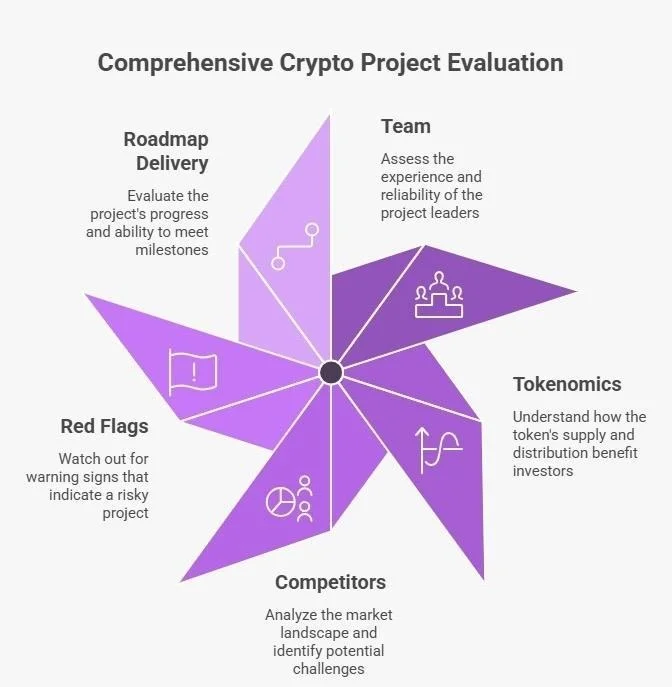
تبدأ معظم الأبحاث الجادة بالورقة البيضاء. فهي الوثيقة التأسيسية للمشروع، وتشرح وظيفته، وسبب وجوده، وكيفية عمل التقنية، وكيف يندمج الرمز المميز في النظام. قراءتها بتأنٍّ تكشف عن المشروع معلوماتٍ أكثر من أي منشور على وسائل التواصل الاجتماعي أو تقرير تحليلي.
تقدم الورقة البيضاء الجيدة حجة واضحة. فهي تحدد مشكلة معينة، وتشرح لماذا لا تحلها الحلول الحالية بشكل كافٍ، وتصف بعبارات ملموسة كيف يحل هذا المشروع المشكلة بشكل مختلف.
يُقدّم الكتاب تفاصيل تقنية كافية تُمكّن أي شخص ذي معرفة ذات صلة من تقييم مدى سلامة هذا النهج. كما أنه يتسم بالشفافية فيما يتعلق بالقيود والمفاضلات.
الورقة البيضاء الرديئة تفعل العكس تماماً. فهي تستخدم لغة غامضة تبدو تقنية دون أن تقدم أي شيء محدد.
عبارات مثل "تسخير بنية تقنية البلوك تشين المتطورة لإحداث ثورة في الأنظمة المالية التقليدية" لا تحمل أي معلومات. إنها مصممة لخلق انطباع بالتطور دون الالتزام بأي شيء يمكن التحقق منه أو اختباره.
انظر كيف تتناول الورقة البيضاء البنية التقنية. هل تشرح آلية الإجماع؟ هل تصف كيف تتعامل الشبكة مع قابلية التوسع والأمان واللامركزية، وهي الخصائص الثلاث التي تتنافس أنظمة البلوك تشين باستمرار فيما بينها؟ هل تُقرّ بهذه المفاضلات بصدق أم تتجاهلها تمامًا؟
اقرأ أيضًا القسم الاقتصادي بعناية. كيف يتم توزيع الرموز؟ ما هو إجمالي المعروض؟ هل توجد آليات للتضخم؟ كيف يحقق المشروع إيرادات، وهل تستحوذ الرموز على أي جزء من هذه القيمة؟
هذه الأسئلة مهمة للغاية، والمشروع الذي يدفنها أو يتجاهلها في ورقته البيضاء يشير إلى أن الإجابات ليست مواتية.
تُعدّ الورقة البيضاء الأصلية لإيثيريوم الصادرة عام ٢٠١٣ معيارًا مفيدًا. فقد كانت مفصلة تقنيًا، وأقرت بالمفاضلات، وقدّمت تنبؤات قابلة للتفنيد حول إمكانيات المنصة وحدودها. قارن أي ورقة بيضاء لأي مشروع بهذا المعيار، وستلاحظ سريعًا ما إذا كان الفريق يُقدّم محتوىً ذا قيمة أم يُطبّقه فعليًا.
تقييم الفريق
غالباً ما يكون الفريق العامل الأهم في نجاح أي مشروع أو فشله. يمكن إعادة بناء التكنولوجيا، ويمكن أن تتغير الأسواق، لكن الفريق الذي يفتقر إلى المهارات أو النزاهة اللازمة للتنفيذ سيُفشل المشروع مهما كانت الفكرة جيدة.
ابدأ بالبحث في لينكدإن والسجلات العامة. هل المؤسسون هم فعلاً من يدّعون أنهم؟ هل شغلوا المناصب التي يصفونها؟ يجب أن يكون لدى المؤسس المشارك الذي يدّعي قيادة قسم الهندسة في شركة تقنية كبرى سجلٌّ موثّق، مثل زملاء يمكنهم تأكيد عمله، ومشاريع أُعلن عنها علنًا، وبرمجيات برمجية نُشرت باسمه. يستغرق هذا التحقق وقتًا، ولكنه يستحق العناء لأي استثمار كبير.
انظر إلى خبراتهم ذات الصلة. تتطلب مشاريع العملات المشفرة مزيجًا من الخبرة التقنية العميقة، وفهم المنتج، والقدرة على تطوير الأعمال، والإلمام باللوائح التنظيمية.
سيواجه فريق من حاملي شهادات الدكتوراه الذين يفتقرون إلى الخبرة في مجال المنتجات صعوبة في بناء منتج يستخدمه الناس فعلاً. كما سيواجه فريق من المسوقين الذين يفتقرون إلى الأساس التقني صعوبة في بناء منتج فعال. أما أفضل الفرق المؤسسة، فتمتلك كلا الأمرين، أو تعرف كيف توظف من يكمل ما ينقصها.
تحقق من تاريخ المشاريع السابقة. هل عمل المؤسسون في مشاريع سابقة في مجال العملات الرقمية؟ إذا فشلت تلك المشاريع، فهذا لا يعني بالضرورة استبعادهم؛ فالفشل جزء من عملية التعلم في أي مجال جديد. لكن الأهم هو كيفية فشلهم.
هل أعادوا أموال المستثمرين كلما أمكن ذلك؟ هل تواصلوا بوضوح أثناء تعثر المشروع؟ هل تحملوا المسؤولية أم اختفوا؟ السلوك السابق هو أقوى مؤشر على السلوك المستقبلي.
غالباً ما تُشكّل الفرق المجهولة تحدياً خاصاً. فبعض المشاريع المشروعة تعمل بمؤسسين يستخدمون أسماءً مستعارة. حتى أن بيتكوين نفسها أُنشئت على يد ساتوشي ناكاموتو، الذي لا تزال هويته الحقيقية مجهولة. لكن الفريق المجهول يُمثّل وضعاً أكثر خطورة لعدم وجود مسؤولية شخصية في حال حدوث خطأ ما.
إذا كان للمشروع فريق مجهول الهوية، فإن جودة عقوده الذكية وهيكله الإداري وآليات مساءلة مجتمعه يجب أن تكون أقوى للتعويض عن هذا الخطر.
انظر إلى المستشارين بعناية أيضاً. تُدرج العديد من المشاريع أسماءً بارزة في مجال العملات المشفرة أو التمويل كمستشارين، لكن المشاركة الفعلية لهؤلاء المستشارين تختلف اختلافاً كبيراً.
بعضهم منخرطون بصدق، ويحضرون اجتماعات منتظمة ويساهمون بتوجيهات استراتيجية. أما آخرون فقد سجلوا للحصول على تخصيص رمزي ولم يتواصلوا مع المشروع منذ ذلك الحين.
عندما يذكر مشروع ما مستشارًا معروفًا، تحقق مما إذا كان هذا الشخص قد ذكر المشروع علنًا في أي مكان من خلال التغريدات أو البودكاست أو المحاضرات في المؤتمرات.
إذا لم يكن هناك سجل عام لمشاركة المستشار في المشروع، فقد يكون إدراجه مجرد تسويق أكثر منه جوهر.
افهم التكنولوجيا
لا تحتاج إلى أن تكون مهندس برمجيات لتقييم تقنية مشروع العملات المشفرة، ولكنك تحتاج إلى فهم أساسيات ما يبنيه المشروع وما إذا كانت ادعاءاته التقنية معقولة.
ابدأ بالسؤال الرئيسي: هل يحتاج هذا المشروع فعلاً إلى تقنية البلوك تشين؟ تُعد تقنية البلوك تشين مفيدة لأمور محددة، فهي تُنشئ أنظمة حيث تحتاج أطراف متعددة لا تثق ببعضها البعض إلى الاتفاق على حالة مشتركة دون سلطة مركزية.
إنها بالفعل أفضل من قواعد البيانات التقليدية في تلك الحالات. أما في الحالات الأخرى، فإنها تضيف تعقيداً وتكلفةً وقيوداً على السرعة دون فائدة مقابلة.
إذا كان استخدام تقنية البلوك تشين في مشروع ما يتمحور أساسًا حول إنشاء رمز مميز لبيعه للمستثمرين، فإن البلوك تشين لا يحل مشكلة تقنية، بل يُنشئ أداة مالية. وهذا أمر مختلف تمامًا، ويتغير التقييم تبعًا لذلك.
بالنسبة للمشاريع التي تحتاج فعلاً إلى تقنية البلوك تشين، انظر إلى آلية الإجماع. فآليات إثبات العمل، وإثبات الحصة، وإثبات الحصة المفوض، وإثبات التاريخ، والأنظمة الهجينة المختلفة، لكل منها خصائص أمنية ولامركزية وإنتاجية مختلفة.
ينبغي أن يعكس اختيار آلية الإجماع في أي مشروع متطلبات ما يتم بناؤه. فمنصة التداول عالي التردد تحتاج إلى معدل نقل بيانات لا يمكن لآلية إثبات العمل توفيره. وقد يُعطي نظامٌ يُعنى بتسويات عالية القيمة وغير متكررة الأولوية للأمان على السرعة. لذا، اسأل نفسك: هل هذا الاختيار منطقي لحالة الاستخدام المحددة؟
ألقِ نظرة على الكود. معظم مشاريع البلوك تشين الموثوقة تجعل شفرتها مفتوحة المصدر على منصة GitHub. يُعدّ وجود مستودع مفتوح مع تحديثات منتظمة، ورسائل تحديث مفصلة، ومساهمين متعددين، ونظام تتبع نشط للمشاكل، علامة إيجابية.
إن وجود مستودع يحتوي على عدد قليل من التعديلات من ستة أشهر مضت، وعدم وجود أي نشاط حديث، ومساهم واحد فقط، هو علامة تحذيرية على أن التطوير قد توقف أو أن المشروع لا يبني في الواقع ما يدعيه.
تحقق مما إذا كان المشروع قد كلف شركات موثوقة بإجراء عمليات تدقيق أمني. يتعامل كود العقود الذكية مع أموال حقيقية، وقد تؤدي الأخطاء البرمجية فيه إلى استغلاله واستنزاف أموال المستخدمين في دقائق.
تشمل شركات التدقيق الموثوقة Trail of Bits وConsensys Diligence وCertora وHalborn. لا يضمن التدقيق السلامة، فحتى البرامج التي خضعت للتدقيق قد تم استغلالها، لكن غياب أي تدقيق لمشروع يتعامل مع أموال مستخدمين كبيرة يُعدّ مصدر قلق بالغ. اقرأ تقارير التدقيق كاملةً، وليس الملخصات فقط. ما الذي أشار إليه المدققون؟ وكيف استجاب الفريق؟
تستحق مشاريع الطبقة الثانية والجسور العابرة للسلاسل مزيدًا من التدقيق. تُعد الجسور، وهي التقنية التي تسمح بنقل الأصول بين سلاسل الكتل المختلفة، من بين أكثر المجالات استغلالًا في عالم العملات المشفرة.
أسفر اختراق جسر رونين عام 2022 عن خسائر بلغت 625 مليون دولار. وخسرت شركة وورمهول 320 مليون دولار في عملية استغلال منفصلة في العام نفسه. أي مشروع يعتمد بشكل كبير على تقنية الجسور ينطوي على مخاطر إضافية تتعلق بالعقود الذكية، والتي يجب أخذها في الاعتبار عند إجراء التقييم.
تحليل اقتصاديات الرموز
علم اقتصاد الرموز هو التصميم الاقتصادي لرمز المشروع الذي يحدد ما إذا كان الاحتفاظ بالرمز يمثل اقتراحًا مستدامًا أم سباقًا نحو الخروج.
تفشل العديد من المشاريع ليس لأن التكنولوجيا سيئة، ولكن لأن الرمز المميز تم تصميمه بطريقة تخلق ضغطًا على البيع أسرع من قدرة المشروع على خلق طلب الشراء.
يُعدّ إجمالي المعروض عاملاً مهماً. فالعملة الرقمية ذات المعروض الثابت البالغ 21 مليوناً (مثل البيتكوين) تتميز بندرة متوقعة في المعروض. أما العملة الرقمية ذات المعروض غير المحدود ومكافآت التضخم المرتفعة، فتؤدي إلى انخفاض قيمة أسهم حامليها الحاليين باستمرار ما لم ينمُ الطلب بوتيرة أسرع من وتيرة الإصدار.
لا يوجد هيكل جيد أو سيئ بطبيعته، ولكن يجب أن يكون التصميم منطقياً بالنظر إلى أهداف المشروع والقيمة التي من المفترض أن يلتقطها الرمز المميز.
انظر إلى توزيع الرموز. ما هي نسبة إجمالي المعروض التي تذهب إلى الفريق المؤسس؟ ما هي النسبة المئوية التي تذهب إلى المستثمرين الأوائل؟ ما هي الحصة المخصصة للمجتمع، والخزينة، والمشاركين في البيع العام؟
يؤدي توزيع الأرباح بنسبة 50% أو أكثر للمطلعين، كالمؤسسين والمستثمرين الأوائل، إلى تركيز القوة الاقتصادية في يد مجموعة صغيرة لديها حافز مالي قوي للبيع. أما النموذج الأكثر توزيعًا فيخلق توافقًا أفضل على المدى الطويل بين نجاح المشروع ومصالح مستخدميه.
تُعدّ جداول استحقاق الأصول بنفس القدر من الأهمية. فرموز الفريق التي تُستحق على مدى أربع سنوات مع فترة توقف لمدة عام واحد تُحقق التوافق بين حوافز المؤسسين وصحة المشروع على المدى الطويل.
تتيح رموز الفريق التي تُمنح على مدى ستة أشهر للمؤسسين فرصة سحب أموالهم بعد فترة وجيزة من الإطلاق، بغض النظر عن أداء المشروع. لذا، اقرأ شروط الاستحقاق بعناية وتأكد مما إذا كانت تُنفذ بواسطة عقود ذكية (مما يجعلها ملزمة) أو بموجب اتفاقية فقط (قابلة للتعديل).
افهم الغرض الحقيقي من الرمز المميز. تُستخدم رموز المنفعة داخل النظام البيئي للمشروع، لدفع ثمن الخدمات، أو الوصول إلى الميزات، أو المشاركة في الحوكمة. أما رموز الأمان فتمثل الملكية أو حقوق الإيرادات.
تمنح رموز الحوكمة حامليها حق التصويت على قرارات البروتوكول. أما رموز السيولة فتمثل حصة من مجمع التداول.
تُطمس العديد من المشاريع هذه التصنيفات، إذ تُصدر رموزًا تُوصف بأنها رموز نفعية، لكنها تعمل في المقام الأول كأصول مضاربة. فالرمز الذي لا يستخدمه أحد، لكن الجميع يرغب في تداوله، هو أداة مالية، وليس رمزًا نفعيًا.
انظر إلى جدول التضخم وإصدار العملات. بعض المشاريع تصدر رموزًا جديدة باستمرار كمكافآت للمدققين أو مزودي السيولة أو المشاركين الآخرين.
إذا تجاوز معدل إصدار الرموز الجديدة نمو الطلب عليها، فسيتجه سعرها نحو الانخفاض بغض النظر عن جودة المشروع. لذا، من المهم فهم معدل التضخم السنوي، ومن يحصل على الرموز الجديدة، وما إذا كانت هناك آليات، مثل حرق الرموز، لتقليل العرض بمرور الوقت لمواجهة التضخم.
تُعدّ سولانا مثالاً مفيداً في هذا السياق. تتضمن اقتصاديات رموزها تضخماً مستمراً يتناقص بمرور الوقت، بهدف طويل الأجل يبلغ حوالي 1.5% تضخماً سنوياً. ويحصل المدققون على مكافآت التخزين من هذا التضخم، مما يخلق هيكلاً تحفيزياً لأمن الشبكة.
التصميم واضح وموثق وقابل للتحقق. هذا ما تبدو عليه وثائق اقتصاديات الرموز الجيدة: أرقام محددة، وآليات واضحة، واعتراف صادق بالمفاضلات.
تقييم الفرصة السوقية
حتى المشروع القوي تقنياً والذي يمتلك رمزاً مصمماً جيداً يفشل إذا كان يبني لسوق غير موجود أو مشبع بالفعل بمنافسين ذوي وضع أفضل.
يُعد تحليل السوق نقطة ضعف في العديد من أبحاث العملات الرقمية. إذ يركز الباحثون على المشروع نفسه ويتجاهلون السياق الأوسع الذي يعمل فيه.
ابدأ بتحديد المستخدمين المستهدفين وعددَهم. يعمل بروتوكول إقراض التمويل اللامركزي (DeFi) الذي يستهدف متداولي العملات الرقمية النشطين في سوق قابلة للقياس. يمكنك الاطلاع على إجمالي القيمة المُقفلة (TVL) عبر البروتوكولات الحالية، وأحجام التداول على منصات التداول اللامركزية، وعدد محافظ التمويل اللامركزي النشطة لتقدير حجم هذا السوق.
إن مشروعاً يدعي إحداث ثورة في الخدمات المصرفية التقليدية لـ 1.4 مليار شخص لا يتعاملون مع البنوك على مستوى العالم يقدم ادعاءً أقل بكثير بشأن حجم السوق، لأن معظم هؤلاء الأشخاص لا يملكون هواتف ذكية، أو اتصالاً موثوقاً بالإنترنت، أو البيئة التنظيمية اللازمة لاستخدام منتجات العملات المشفرة.
ادرس المنافسة. إذا كان مشروع ما يدخل سوقًا يهيمن عليه لاعبون راسخون، فعليه أن يقدم شرحًا واضحًا لأسباب انتقال المستخدمين إليه. تتمتع منصتا Aave وCompound بسنوات من السيولة، وثقة راسخة، وأمان مثبت.
يحتاج بروتوكول الإقراض الجديد إلى شيء مميز حقًا، ليس مجرد واجهة مختلفة، بل تحسين ملموس في الأسعار، وإدارة المخاطر، وكفاءة رأس المال، أو تجربة المستخدم لسحب السيولة بعيدًا عن الجهات القائمة.
انظر إلى التوقيت. تفشل بعض المشاريع ليس بسبب خطأ في تقديرها للسوق، بل لأنها تُطرح قبل الأوان. كانت بروتوكولات المراسلة عبر السلاسل في عام 2019 مثيرة للاهتمام من الناحية التقنية، لكنها لم تلقَ رواجًا يُذكر بين المطورين لأن بيئة السلاسل المتعددة لم تكن متطورة بما يكفي لتتطلبها.
كانت التقنية نفسها في عام 2023 أكثر ملاءمةً للسوق بشكلٍ ملحوظ. لا يضمن التوقيت النجاح، لكن المشروع الذي يحل مشكلةً تزداد أهميتها مع مرور الوقت لديه فرص أفضل من المشروع الذي يحل مشكلةً تم حلها بالفعل.
يجب مراعاة البيئة التنظيمية للسوق المحدد الذي يعمل فيه المشروع. تواجه بروتوكولات التمويل اللامركزي مخاطر تنظيمية مختلفة في مختلف الولايات القضائية. وتخضع منصات تداول العملات الرقمية المركزية لمتطلبات ترخيص مستمرة.
تخضع العملات المستقرة لتدقيق تنظيمي متزايد في الولايات المتحدة والاتحاد الأوروبي. إن أي مشروع يتجاهل المخاطر التنظيمية أو يعتبرها غير ذات صلة لا يتعامل بجدية مع أحد أهم العوامل المؤثرة على سوق العملات الرقمية.
فحص البيانات الموجودة على سلسلة الكتل
من أهم مزايا تقييم مشاريع العملات الرقمية مقارنةً بتقييم الشركات التقليدية أن معظم الأنشطة تتم علنًا. فكل معاملة على سلسلة الكتل العامة مرئية وقابلة للتحقق ودائمة. وهذا يخلق مستوى من الشفافية لا مثيل له في أي مجال آخر من مجالات التمويل.
انظر إلى حجم المعاملات والعناوين النشطة. فهذه هي أكثر المقاييس المباشرة لمعرفة ما إذا كان الناس يستخدمون المشروع بالفعل.
يشير بروتوكول بقيمة إجمالية مقفلة تبلغ 500 مليون دولار و200 محفظة نشطة إلى أن عددًا قليلاً من الجهات الفاعلة الكبيرة، وربما الفريق نفسه، هم المسؤولون عن معظم النشاط.
يشير بروتوكول بقيمة إجمالية مقفلة تبلغ 200 مليون دولار أمريكي و50,000 ألف محفظة نشطة إلى انتشار واسع النطاق حقيقي. وتتيح أدوات مثل Dune Analytics وNansen وGlassnode الوصول إلى هذه البيانات دون الحاجة إلى أي خلفية تقنية.
تحقق من توزيع حاملي الرموز. تُظهر لك خدمات مثل Etherscan للرموز القائمة على إيثيريوم، ومستكشفات الكتل المماثلة للسلاسل الأخرى، كيفية توزيع الرموز عبر عناوين المحافظ.
إذا استحوذت أكبر عشر محافظ على 80% أو أكثر من المعروض، فإن هذا التركيز يُشكّل مخاطر بيع كبيرة، إذ يُمكن لعدد قليل من حاملي العملة التأثير بشكل كبير على السوق. كما يُثير هذا الأمر تساؤلات حول ما إذا كانت ادعاءات اللامركزية في تسويق المشروع تعكس هيكل السلطة الفعلي.
انظر إلى تفاعلات العقود الذكية. بالنسبة لبروتوكولات التمويل اللامركزي، يمكنك معرفة عدد العناوين الفريدة التي تفاعلت مع العقد، ومدى تكرار التفاعلات، وأنواع الإجراءات التي يتخذها المستخدمون.
إذا ادعى بروتوكول ما أن لديه قاعدة مستخدمين مزدهرة ولكن البيانات الموجودة على السلسلة تظهر تفاعلات غير متكررة من عدد قليل من المحافظ، فإن الفجوة بين الادعاء والبيانات مهمة.
تتبع نشاط المطورين على GitHub. يُظهر عدد عمليات الإيداع، وعدد المساهمين، واتساق نشاط التطوير بمرور الوقت ما إذا كان الفريق يعمل بنشاط على البناء.
يُعتبر المشروع الذي يحتوي على 20 تعديلًا في مستودعه الأساسي خلال العام الماضي في وضع الصيانة. أما المشروع الذي يشهد تعديلات يومية من عدة مساهمين فهو في مرحلة التطوير النشط. لا يُخبرك GitHub بجودة الكود، ولكنه يُخبرك ما إذا كان التطوير جاريًا بالفعل.
راقب عمق السيولة. بالنسبة للرموز التي يتم تداولها على منصات التداول اللامركزية، انظر إلى عمق مجمع السيولة مقارنةً بالقيمة السوقية للرمز.
عملة رقمية بقيمة سوقية تبلغ 50 مليون دولار، ولكن سيولتها لا تتجاوز 500,000 ألف دولار، قد تتأثر بشكل كبير بعملية تداول واحدة ضخمة. ويُعدّ ضعف السيولة عامل خطر على استقرار السعر، كما أنه مؤشر على محدودية ثقة السوق بالمشروع.
اقرأ عن المجتمع والحوكمة
يُعدّ المجتمع المحيط بمشروع العملات الرقمية مؤشراً على صحته وعاملاً مؤثراً في مستقبله. فالمشاريع التي تتمتع بمجتمعات كبيرة ومتفاعلة وذات معرفة تقنية عالية تكون أكثر مرونة من تلك التي بُنيت مجتمعاتها أساساً على المضاربة على الأسعار.
انظر إلى أماكن تجمع المجتمع. ديسكورد وتليجرام هما المنصتان الرئيسيتان لمعظم مجتمعات مشاريع العملات المشفرة.
يُعدّ تويتر منصةً للمحادثات العامة، بينما يُخصّص جيت هاب للمناقشات التقنية. يتميّز أي مشروع ناجح بنشاطه على هذه المنصات، حيث تتنوع أنواع المحادثات في كل منها: الأسئلة التقنية على جيت هاب، وملاحظات المنتج على ديسكورد، والمناقشات السوقية الأوسع على تويتر.
انتبه لجودة الحوار، وليس فقط لحجمه. فالمجتمع الذي تتكرر فيه كل رسالة بصيغ مختلفة من "متى سيظهر القمر؟" أو "مشروع رائع، سأشتري المزيد" لا يهتم بالمشروع نفسه، بل يهتم بالسعر.
إن المجتمع الذي يناقش فيه الناس المفاضلات التقنية، ويبلغون عن الأخطاء، ويقترحون تحسينات للمنتج، ويحاسبون الفريق على التزامات خارطة الطريق، هو في الواقع مستثمر في ما يبنيه المشروع.
انظر إلى كيفية تفاعل الفريق مع المجتمع. هل يشارك المؤسسون والمطورون الأساسيون في المناقشات التقنية؟ هل يجيبون على الأسئلة المهمة بصدق؟ هل يعترفون بالأخطاء عند حدوثها؟
إن الفريق الذي لا ينقل إلا الأخبار الإيجابية ويتجنب الأسئلة الحاسمة هو فريق لن يتمكن من التواصل بشكل جيد خلال الفترات الصعبة، والتي يمر بها كل مشروع في نهاية المطاف.
تُعدّ الحوكمة من أهم جوانب تقييم مشاريع العملات الرقمية، ولكنها في الوقت نفسه من أكثرها إهمالاً. فالمشروع الذي يدّعي اللامركزية، بينما تسيطر عليه مجموعة صغيرة في قرارات الحوكمة، لا يُعتبر لامركزياً بالمعنى الحقيقي للكلمة.
انظر إلى من يمتلك رموز الحوكمة، وكيف تتم عملية التصويت، وما هي معدلات مشاركة الناخبين، وما هي أنواع القرارات التي تم طرحها بالفعل للتصويت على الحوكمة.
تُعدّ حوكمة منصة Uniswap معيارًا مفيدًا. فهي تعمل بنظام التصويت على سلسلة الكتل، ومناقشات المقترحات العامة، وسجلات التصويت الشفافة. ويمكن لأي شخص أن يرى من صوّت على ماذا وكيف.
تتفاوت معدلات المشاركة، وغالبًا ما تكون منخفضة، وهو ما يُعدّ قيدًا حقيقيًا لأنظمة إدارة الرموز الرقمية، إلا أن الآلية تتسم بالشفافية، والنتائج قابلة للتحقق. قارن ادعاءات إدارة أي مشروع بما يمكنك التحقق منه فعليًا على سلسلة الكتل.
توخَّ الحذر من المشاريع التي يحتفظ فيها الفريق بمفاتيح إدارية تُمكّنه من تعديل البروتوكول دون تصويت من الإدارة. تُقدَّم هذه "المفاتيح الإدارية" أحيانًا على أنها ميزات أمان تُتيح الاستجابة السريعة للثغرات الأمنية، وهو ما يُعدّ تبريرًا وجيهًا.
لكنها تمثل أيضًا تحكمًا مركزيًا يُمكن استخدامه لتغيير البروتوكول بطرق تُفيد المُطلعين على بواطن الأمور على حساب المستخدمين. تحقق مما إذا كانت مفاتيح الإدارة موجودة، ومن يملكها، وما هي خطة المشروع المُعلنة لإزالتها في نهاية المطاف.
تقييم الشراكات والداعمين
غالباً ما يتم تقديم الشراكات ودعم المستثمرين كإشارات تحقق، ويمكن أن تكون كذلك، ولكن فقط إذا نظرت إلى ما وراء السطح.
لا يُعتدّ كثيراً بإعلان الشراكة من شركة كبرى بمفرده. فكثير من مشاريع العملات الرقمية تُعلن عن شراكات مع شركات لا تتجاوز كونها برنامجاً تجريبياً أو مذكرة تفاهم أو بياناً صحفياً مشتركاً.
نادراً ما تُدر هذه الترتيبات إيرادات، ونادراً ما تؤدي إلى تكامل ذي مغزى، وفي بعض الأحيان يتم إيقافها بهدوء بعد أشهر من الإعلان عنها.
قبل اعتبار الشراكة إشارة إيجابية، اسأل عن ماهية الشراكة بالتحديد، وما إذا كان هناك أي التزام مالي من الطرف الآخر، وما إذا كان بإمكانك العثور على أي تأكيد مستقل على وجود العلاقة.
إن دعم المستثمرين من شركات رأس المال الاستثماري الموثوقة في مجال العملات المشفرة، مثل صندوق العملات المشفرة a16z التابع لشركة Andreessen Horowitz، و Paradigm، و Multicoin Capital، و Coinbase Ventures، و Binance Labs، يحمل إشارة أقوى من إعلان الشراكة لأن هذه الشركات تقوم بالفحص المالي قبل الالتزام برأس المال.
مع ذلك، حتى المستثمرون المتمرسون يدعمون مشاريع فاشلة. يُعدّ دعم رأس المال المخاطر مؤشراً إيجابياً مفيداً، ولكنه ليس ضماناً للجودة.
انظر إلى توقيت الاستثمار. فشركة رأس مال مخاطر استثمرت في جولة التمويل التأسيسي لمشروع ما عام 2021، في وقت كان فيه رأس المال متوفراً بكثرة، وغالباً ما كانت إجراءات التدقيق والتحقق مختصرة، تُعد مؤشراً أضعف من شركة قادت جولة تمويل من الفئة (أ)
جولة تمويلية في عام 2024 بعد دراسة مستفيضة للسوق. تؤثر ظروف السوق وقت الاستثمار على مدى إمكانية استخلاص استنتاجات من هوية المستثمر.
تحقق مما إذا كان الداعمون قد أعلنوا دعمهم للمشروع. فالمستثمرون الذين يؤمنون حقًا بمشروع ما يميلون إلى نشر الأبحاث، والمشاركة في النقاشات المجتمعية، والإشارة إلى المشروع في سياقات أوسع حول هذا المجال. أما المستثمرون الذين يلتزمون الصمت حيال مشروع يُفترض أنهم يدعمونه، فقد يكونون قد راهنوا ماليًا دون اقتناع حقيقي بمسار المشروع.
انتبه للأعلام الحمراء
تتسم المؤشرات التحذيرية في تقييم مشاريع العملات الرقمية بأنماط ثابتة. إن تعلم التعرف عليها بسرعة يوفر الوقت ويمنع الأخطاء المكلفة.
1. ضمان الإرجاع.
أي مشروع يعد بعوائد محددة مثل "عوائد شهرية بنسبة 10٪" أو "مضمونة مرتين في ستة أشهر" إما أنه يصف نموذجًا غير مستدام أو أنه يضلل المستثمرين بشكل متعمد.
ينبع العائد المستدام من النشاط الاقتصادي الحقيقي: رسوم التداول، وهوامش الفائدة، وإيرادات البروتوكول. أما العوائد المضمونة غير المدعومة بمصادر إيرادات قابلة للتحقق، فتُموّل برأس مال مستثمرين جدد، وهو ما يُعرف بمخطط بونزي.
2. فرق مجهولة الهوية بدون أي مساءلة.
كما ذُكر سابقاً، فإنّ المؤسسين المجهولين لا يُعدّون سبباً تلقائياً للاستبعاد. لكنّ إخفاء الهوية مع غياب سجلّ إنجازات قابل للتحقق، وعدم وجود تدقيق للبرمجيات، وغياب هيكل حوكمة مجتمعية، يُشكّل مزيجاً عالي المخاطر.
3. المنتج غير فعال.
مشروعٌ يجمع التمويل منذ عامين ولا يزال بلا منتجٍ رئيسي، ولا شبكة اختبارٍ ذات استخدامٍ فعلي، ولا تفسيرٍ واضحٍ للتأخير، ليس مشروعاً قائماً، بل هو مجرد حملة تمويل. أما الورقة البيضاء وخارطة الطريق فهما المنتج.
4. التسويق العدواني مقارنة بنشاط التطوير.
عندما يستثمر مشروع ما مبالغ أكبر في حملات المؤثرين والمحتوى المدعوم والترويج عبر تيليجرام مقارنةً بالجانب الهندسي، فإن الأولويات تكشف عن الاستراتيجية. تميل المشاريع التي تركز على التطوير إلى امتلاك تسويق أقل صخباً ومجتمعات مطورين أكثر نشاطاً. أما المشاريع التي تركز على البيع، فغالباً ما يكون الوضع معكوساً.
5. سعر الرمز المميز منفصل عن الأساسيات.
إن العملة الرقمية التي ارتفعت بنسبة 500% في 60 يومًا دون أي زيادة مقابلة في الاستخدام أو الإيرادات أو نشاط المطورين تقع في منطقة الزخم المضاربي.
هذا لا يعني أنه لن يستمر في الارتفاع؛ يمكن أن يستمر الزخم، لكن هذا يعني أن السعر لا يعكس القيمة الأساسية، مما يجعل مخاطر الهبوط كبيرة.
6. لا توجد فائدة واضحة للرمز المميز.
إذا لم تستطع شرح استخدام الرمز المميز ضمن بيئة المشروع في جملة واحدة، فقد لا يكون له سبب جوهري للاحتفاظ بقيمته إلا من باب المضاربة. فعبارة "إنه رمز الحوكمة" غير كافية إذا كانت عمليات التصويت على الحوكمة نادرة وغير مؤثرة.
7. نسخ الأوراق البيضاء أو الشفرة البرمجية.
تم توثيق حالات قيام مشاريع العملات المشفرة بسرقة الأوراق البيضاء ونسخ التعليمات البرمجية مفتوحة المصدر دون إسناد.
استخدم أدوات كشف الانتحال على الأجزاء الرئيسية من الورقة البيضاء، وتحقق من مستودع GitHub للتأكد من توثيق المصادر الأصلية. المشروع الذي لا يُفصح عن تفاصيل ما بناه من الصفر وما اقتبسه، لا يُفصح عن معلوماته لك.
مقارنة بالمنافسين
لا يوجد مشروع بمعزل عن غيره. إن تقييم مشروع دون مقارنته بأقرب منافسيه يعطي صورة غير مكتملة عن وضعه التنافسي الحقيقي.
حدد المنافسين المباشرين. إذا كنت بصدد تقييم بورصة دائمة لامركزية، فإن المنافسين ذوي الصلة يشملون dYdX وGMX وSynthetix Perps وDrift Protocol.
لكلٍّ من هذه المشاريع هيكل رسوم مختلف، وآليات سيولة، ومتطلبات ضمان، وخصائص مستخدمين مستهدفين. إن فهم هذه الاختلافات يُبيّن ما إذا كان المشروع الذي تُقيّمه يُقدّم شيئًا أفضل حقًا أم أنه في جوهره نفس المنتج بعلامة تجارية مختلفة.
قارن المقاييس المهمة فعلاً لكل فئة. بالنسبة لبروتوكولات الإقراض اللامركزي، تُعدّ القيمة الإجمالية المقفلة ومعدلات الاستخدام مؤشرات الأداء الرئيسية.
بالنسبة لشبكات البلوك تشين من الطبقة الأولى، تُعدّ المعاملات في الثانية، والعناوين النشطة، ونشاط المطورين، مؤشرات الأداء الرئيسية. أما بالنسبة لأسواق الرموز غير القابلة للاستبدال (NFT)، فإن حجم التداول وعدد المشترين الفريدين أهم من عدد المنتجات المعروضة. لذا، حدد معايير النجاح لكل نوع من أنواع المشاريع قبل إجراء أي مقارنة.
انظر إلى اتجاهات الحصة السوقية، وليس فقط إلى الأرقام المطلقة. مشروع تبلغ قيمته الإجمالية المُستثمرة 100 مليون دولار، وكان يبلغ مليار دولار قبل ستة أشهر، يتراجع الآن.
مشروعٌ تبلغ قيمته الإجمالية المُستحقة 100 مليون دولار، بعد أن كانت 10 ملايين دولار قبل ستة أشهر، يشهد نموًا. ويُعدّ اتجاه هذا النمو مؤشرًا بالغ الأهمية، تمامًا كالوضع الحالي.
ضع في اعتبارك تأثيرات الشبكة. بعض أسواق العملات الرقمية تعتمد على مبدأ "الفائز يستحوذ على الحصة الأكبر" لأن السيولة والمستخدمين والمطورين يجذبون المزيد من نفس النوع. يُعدّ النظام البيئي لمطوري إيثيريوم ضخمًا لدرجة أن منصات العقود الذكية العامة المنافسة تواجه عيبًا كبيرًا في تأثير الشبكة بغض النظر عن مزاياها التقنية.
يحتاج أي تطبيق جديد للطبقة الأولى إلى سبب مقنع يدفع المطورين إلى تطويره، سواء كان ذلك برسوم أقل، أو إنتاجية أعلى، أو دعم لغات برمجة محددة، أو تكامل عميق مع فئة أصول معينة. إن عبارة "نحن أسرع وأرخص من إيثيريوم" لا تُعدّ ميزة تنافسية، لأن العديد من سلاسل الكتل يمكنها الادعاء بذلك.
تقييم خارطة الطريق وسجل الإنجازات
توضح لك خارطة الطريق ما يهدف المشروع إلى بنائه. أما سجل الإنجازات فيحدد ما إذا كان بالإمكان الوثوق بهم.
تحقق مما إذا كان للمشروع خارطة طريق منشورة، وما إذا كانت محددة. فعبارة "الربع الثالث من عام ٢٠٢٥: إطلاق الشبكة الرئيسية" محددة، بينما عبارة "٢٠٢٥: استمرار التطوير ونمو النظام البيئي" غير محددة. يصعب التلاعب بخرائط الطريق المحددة، ويمكنك التحقق في الربع الرابع من العام لمعرفة ما إذا تم إنجاز ما تم تحقيقه في الربع الثالث. أما خرائط الطريق الغامضة فتُتيح مجالاً للتأخيرات غير المحددة.
إذا كان المشروع يعمل منذ أكثر من عام، فقارن الحالة الحالية للمنتج بخطة الطريق التي كانت موجودة قبل اثني عشر شهرًا.
هل أوفوا بما وعدوا به؟ وإذا لم يلتزموا بالمواعيد المحددة، فهل أبلغوا عن التأخيرات بشكل استباقي وشرحوا أسبابها؟
يُعدّ تأخير تنفيذ خطة العمل أمرًا شائعًا في تطوير البرمجيات، ولا يُؤدي بالضرورة إلى استبعاد المشروع. إنّ طريقة تواصل الفريق واستجابته للمواعيد النهائية الفائتة تكشف عن مدى نزاهته أكثر من التأخيرات نفسها.
انظر إلى تاريخ الإعلانات الرئيسية. كل مشروع عملات رقمية يصدر بيانات صحفية، ومنشورات على المدونات، وتحديثات للمجتمع.
إن قراءة هذه المعلومات بترتيب زمني يمنحك صورة عن كيفية تطور المشروع وما إذا كان وصف الفريق للمشروع قد ظل متسقًا أم تغير بشكل كبير.
غالباً ما تواجه الفرق التي تعيد صياغة ماهية المشروع باستمرار، وتغير السرد مع الحفاظ على الرمز المميز، صعوبة في إيجاد التوافق بين المنتج والسوق وإدارة مشاعر المستثمرين بدلاً من البناء.
انتبه لما هو غائب عن خطة العمل. مشروع تمويل لامركزي لا يذكر عمليات التدقيق الأمني، أو مشروع ألعاب لا يتطرق إلى استراتيجية استقطاب اللاعبين، أو جسر ربط بين سلاسل الكتل يتجاهل إدارة المخاطر؛ كل هذه الإغفالات تحمل دلالات مهمة. فما لا يتناوله المشروع قد يكون أحيانًا بنفس أهمية ما يتناوله.
ضع في اعتبارك البيئة الكلية
لا يكفي تحليل المشاريع الفردية وحده. فبيئة سوق العملات الرقمية الأوسع نطاقاً تُؤثر في النتائج بطرق لا تستطيع حتى المشاريع الممتازة التحكم بها بشكل كامل.
تتسم أسواق العملات الرقمية بدورية، وتتأثر هذه الدورات بعوامل عديدة، منها جدول تنصيف البيتكوين، والظروف الاقتصادية الكلية، لا سيما أسعار الفائدة، وموجات تبني الأفراد والمؤسسات لها. ويؤثر فهم موقع السوق الحالي في الدورة على كيفية تحديد التوقيت وإدارة المخاطر.
في الأسواق الصاعدة، تتدفق رؤوس الأموال بحرية إلى هذا القطاع، وترتفع التقييمات، حتى أن المشاريع الضعيفة تجذب الاستثمار. وغالبًا ما تتراجع معايير التدقيق اللازم. أما في الأسواق الهابطة، فتتقلص رؤوس الأموال، وتفقد المشاريع الضعيفة تمويلها وتفشل، وتميل المشاريع التي تنجو إلى أن تكون تلك التي تحقق إيرادات حقيقية، وتجذب مستخدمين حقيقيين، وتوفر فائدة حقيقية.
إن تقييم أساسيات المشروع بدلاً من زخم سعره هو الأهم تحديداً عندما لا يبدو أن السوق يهتم بالأساسيات.
تؤثر التطورات التنظيمية على المستوى الكلي على جميع المشاريع، ولكنها تؤثر على أنواع المشاريع المختلفة بشكل متفاوت. وتؤدي حملة تنظيمية صارمة على منصات التداول المركزية إلى زيادة القيمة النسبية للبدائل اللامركزية.
تُسهم اللوائح الواضحة للعملات المستقرة في تهيئة بيئة أكثر ملاءمة للمنتجات القائمة عليها. وتُقلل القيود المفروضة على استثمارات المؤسسات في العملات الرقمية من الطلب على فئة معينة، بينما تحافظ على الطلب الفردي. لذا، من المهم فهم كيفية تأثر المشروع الذي تُقيّمه بالتطورات التنظيمية في أسواقه الرئيسية.
تؤثر أسعار الفائدة الكلية على العملات الرقمية أكثر مما يدركه معظم العاملين في هذا المجال. فعندما تتراوح العوائد الخالية من المخاطر من السندات أو صناديق سوق المال بين 4 و5%، ترتفع تكلفة الفرصة البديلة للاحتفاظ بالأصول المضاربة.
عندما تقترب أسعار الفائدة من الصفر، يتجه المستثمرون نحو العائد، وتستفيد الأصول عالية المخاطر. وقد تزامن صعود سوق العملات الرقمية في الفترة 2021-2022 مع انخفاض أسعار الفائدة إلى ما يقارب الصفر.
تزامن انخفاض سوق الأسهم في الفترة 2022-2023 مع ارتفاعات سريعة في أسعار الفائدة. لا تحدد هذه العلاقة الاقتصادية الكلية نجاح المشاريع، ولكنها تُشكّل البيئة التي تنجح أو تفشل فيها.
بناء إطار عمل للتقييم
إن تقييم كل مشروع من الصفر يستغرق وقتاً طويلاً. لذا، فإن بناء إطار تقييم موحد يجعل العملية أسرع وأكثر موضوعية، خاصةً إذا كنت تنظر في مشاريع متعددة في وقت واحد.
إطار عمل عملي لتقييم المشاريع عبر خمسة أبعاد أساسية:
- الفريق (30%): المؤهلات القابلة للتحقق، والخبرة ذات الصلة، والسجل الحافل في المشاريع السابقة، والشفافية وجودة التواصل، وقوة المجلس الاستشاري.
- التكنولوجيا (25%): جودة الكود وسجل التدقيق، والتميز التقني عن المنافسين، ومدى ملاءمة بنية البلوك تشين لحالة الاستخدام، ووتيرة التطوير النشطة.
- علم اقتصاد الرموز (20٪): عدالة التوزيع، وجداول الاستحقاق، وفائدة الرمز المميز داخل النظام البيئي، وآليات التضخم، والتوافق بين قيمة الرمز المميز ونجاح المشروع.
- فرصة السوق (15٪): حجم السوق المستهدف، والتمايز التنافسي، والتوقيت بالنسبة لتطور السوق، والبيئة التنظيمية.
- المجتمع والحوكمة (10٪): جودة المجتمع ومشاركته، واللامركزية في الحوكمة، وحجم النظام البيئي للمطورين، واستجابة الفريق للتعليقات.
تُعدّ هذه الأوزان نقطة انطلاق، وليست معادلة ثابتة. ينبغي لبروتوكول التمويل اللامركزي الذي تُمثّل فيه العقود الذكية المنتج بأكمله أن يُعطي التكنولوجيا وزناً أكبر.
ينبغي لتطبيق العملات الرقمية الاستهلاكي، الذي يعتمد انتشاره على تجربة المستخدم والتسويق، أن يولي أهمية أكبر للفريق والمجتمع. عدّل الأوزان وفقًا لنوع المشروع المحدد الذي تقوم بتقييمه.
قيّم كل بُعد من 1 إلى 10 بناءً على البحث الذي أجريته، ثم احسب المتوسط المرجح. تشير الدرجة الأعلى من 7.5 إلى مشروع يستحق دراسة جادة. أما الدرجة الأقل من 5 فتشير إلى وجود مخاوف جوهرية. تتطلب المشاريع التي تتراوح درجاتها بين 5 و7.5 دراسة معمقة للأبعاد التي أدت إلى انخفاض الدرجة.
قائمة التحقق العملية للعناية الواجبة
قبل الالتزام بأي منصب في مشروع عملات رقمية، راجع قائمة التحقق هذه:
1. ورقة بيضاء ووثائق
هل قرأت الورقة البيضاء كاملة؟ هل تتضمن ادعاءات محددة وقابلة للاختبار؟ هل تم شرح النموذج الاقتصادي للرموز بشكل واضح؟
2. التحقق من الفريق
هل تحققت من هوية المؤسسين الرئيسيين على الأقل عبر لينكدإن، أو السجلات العامة، أو أعمال سابقة موثقة؟ هل هناك أي سجل لفشل مشاريع سابقة، وإذا كان الأمر كذلك، فكيف تم التعامل معها؟
3. الشفرة والأمان
هل الكود مفتوح المصدر؟ هل خضع لتدقيق من قبل شركة موثوقة؟ هل هناك تطوير نشط على منصة GitHub بمشاركة العديد من المساهمين؟
4. توزيع الرموز
من يمتلك الحصة الأكبر من المعروض؟ هل تُطبّق جداول الاستحقاق على سلسلة الكتل؟ ما هو معدل التضخم الحالي والمتوقع؟
5. النشاط على سلسلة الكتل
ماذا تُظهر بيانات المعاملات عن الاستخدام الفعلي؟ هل عدد العناوين النشطة في ازدياد، أم مستقر، أم في انخفاض؟ ما مدى تركيز توزيع حاملي الرموز؟
6. التموضع التنافسي
من هم المنافسون المباشرون؟ ما الذي يتفوق فيه هذا المشروع تحديداً؟ ما هو اتجاه حصة السوق؟
7. جودة المجتمع
هل يركز مجتمع ديسكورد أو تيليجرام على مناقشات المنتجات والتكنولوجيا؟ هل يتفاعل الفريق بشكل جوهري مع الأسئلة المهمة؟
8. الحكم
هل تتم إدارة النظام على سلسلة الكتل ويمكن التحقق منها؟ من يملك فعلياً سلطة تغيير البروتوكول؟
9. المخاطر التنظيمية
هل يعمل المشروع في بيئة تنظيمية قد تقيّد أو توقف أنشطته الأساسية؟ هل تفاعل الفريق بشكل استباقي مع المسائل التنظيمية ذات الصلة؟
10. تنفيذ خارطة الطريق
هل حقق المشروع أهدافه السابقة؟ وإذا لم يحققها، فكيف تواصل الفريق؟
إذا لم تتمكن من الإجابة على معظم هذه الأسئلة بثقة بعد إجراء البحث، فهذا في حد ذاته دليل على أن المشروع لم يوفر الشفافية الكافية لإجراء تقييم مستنير.
خاتمة
يتطلب تقييم مشاريع العملات الرقمية بشكل جيد وقتًا. لا توجد طريقة مختصرة تضمن النجاح دائمًا. تُظهر لك رسوم بيانية الأسعار ما يفكر به السوق حاليًا، وليس القيمة الحقيقية للمشروع. تُظهر لك وسائل التواصل الاجتماعي من هو الأكثر صخبًا، وليس من هو على صواب. تُظهر لك الأوراق البيضاء نوايا الفريق، وليس ما سيقدمه فعليًا.
تشترك المشاريع التي حققت قيمة مستدامة في مجال العملات المشفرة مثل بيتكوين وإيثيريوم وتشين لينك ويونيسواب وآيف في شيء واحد: لقد حلت مشكلة حقيقية لمجموعة حقيقية من المستخدمين، وقامت ببناء البنية التحتية للقيام بذلك بشكل موثوق بمرور الوقت.
لم ينجح أي منهم بسبب التسويق. بل نجحوا جميعاً لأن التكنولوجيا كانت فعالة واستخدمها الناس.
يُعدّ هذا المعيار، أي هل هو فعال وهل يستخدمه الناس، أبسط صيغة لإطار التقييم الوارد في هذه المقالة. أما باقي الأسئلة فهي مجرد صيغة أكثر تحديدًا لنفس السؤال.
يستغرق البحث ساعات. وقد يكلفك قرار استثماري خاطئ مبالغ طائلة. لكن العمل يستحق العناء.
الأسئلة الشائعة: كيفية تقييم مشاريع العملات الرقمية
ما هو أول شيء يجب التحقق منه عند تقييم مشروع عملات مشفرة؟
أول ما يجب التحقق منه عند تقييم أي مشروع عملات رقمية هو الورقة البيضاء. فهي توضح لك وظيفة المشروع، وسبب وجوده، وكيفية عمل التقنية، وكيف تتناسب العملة الرقمية مع النظام. إذا كانت الورقة البيضاء غامضة، أو مليئة بالمصطلحات التقنية، أو تتجنب التفاصيل، فاعتبر ذلك مؤشراً تحذيرياً مبكراً.
كيف يمكنك اكتشاف عمليات الاحتيال في مجال العملات الرقمية قبل الاستثمار؟
لكشف عمليات الاحتيال في العملات الرقمية قبل الاستثمار، عليك الانتباه إلى مؤشرات تحذيرية متكررة. تشمل هذه المؤشرات ضمان عوائد مضمونة، وفرق عمل مجهولة الهوية بدون سجل موثق، وعدم وجود منتج فعال بعد سنوات من جمع التمويل، ونسخ أوراق العمل من مشاريع أخرى، وتسويق مكثف مع قلة أو انعدام نشاط المطورين. إذا وعدك مشروع ما بأرقام أرباح محددة، فابتعد عنه فورًا.
هل يحتاج مشروع العملات المشفرة إلى تقنية البلوك تشين ليكون مشروعاً شرعياً؟
لا. في الواقع، تستخدم العديد من المشاريع تقنية البلوك تشين دون داعٍ. يستخدم المشروع المشروع البلوك تشين لأنه يحل مشكلة محددة لا تستطيع قواعد البيانات التقليدية حلها، مثل تمكين المعاملات الموثوقة بين أطراف لا تعرف بعضها. إذا كان الغرض الوحيد من استخدام البلوك تشين هو إصدار رمز وجمع الأموال، فإن المشروع يصبح أداة مالية، وليس منتجًا تقنيًا.
كيف يمكنك التحقق من شرعية فريق مشروع العملات المشفرة؟
يبدأ التحقق من فريق مشروع العملات الرقمية بالبحث في لينكدإن، وجيت هاب، والسجلات العامة. تحقق مما إذا كان تاريخ عملهم المزعوم مؤكدًا من قبل زملائهم، وما إذا كان الكود الذي يُفترض أنهم كتبوه قد نُشر باسمهم، وما إذا كانوا قد تحدثوا في فعاليات القطاع أو نشروا أعمالًا يمكن التحقق منها بشكل مستقل. إذا ادعى أحد المؤسسين شغل منصب رفيع في شركة كبرى، ولكن لا يوجد أي دليل علني على ذلك، فتعامل مع الأمر بجدية.
هل ارتفاع سعر العملة الرقمية دليل على نجاح مشروع العملات الرقمية؟
لا. يعكس ارتفاع سعر العملة الرقمية أو تزايده توجهات السوق والمضاربة، وليس جودة المشروع. قد يرتفع سعر العملة بنسبة 500% خلال 60 يومًا دون أي تغيير في الاستخدام الفعلي أو نشاط المطورين أو الإيرادات. لذا، قارن دائمًا تحركات الأسعار ببيانات البلوكشين (العناوين النشطة، وحجم المعاملات، والقيمة الإجمالية المحجوزة) لتحديد ما إذا كان السعر يعكس نموًا حقيقيًا أم مجرد مضاربة.
ما هي المقاييس الموجودة على سلسلة الكتل التي يجب عليك النظر إليها عند تقييم مشروع عملات مشفرة؟
أهم المقاييس على سلسلة الكتل عند تقييم أي مشروع عملات رقمية هي العناوين النشطة يوميًا، وحجم المعاملات، وإجمالي القيمة المُقفلة لبروتوكولات التمويل اللامركزي، وتوزيع حاملي الرموز، وتواتر تفاعل العقود الذكية. تُتيح أدوات مثل Dune Analytics وNansen وGlassnode الوصول إلى هذه البيانات دون الحاجة إلى أي خلفية تقنية. تُظهر هذه الأرقام ما يحدث فعليًا على الشبكة، بغض النظر عما تدّعيه حملات التسويق للمشروع.
ما مدى أهمية عمليات التدقيق الأمني عند تقييم مشروع العملات المشفرة؟
تُعدّ عمليات التدقيق الأمني ضرورية لأي مشروع يتعامل مع أموال المستخدمين من خلال العقود الذكية. ويُظهر التدقيق الموثوق من شركات مثل Trail of Bits وConsensys Diligence وHalborn أن الفريق يُولي الأمن اهتمامًا بالغًا. أما عدم وجود تدقيق على بروتوكول قيد التشغيل يتعامل مع مبالغ كبيرة فيُعدّ مؤشرًا خطيرًا. لذا، يُنصح بقراءة تقرير التدقيق كاملًا، وليس فقط الملخص. فما رصده المدققون وكيف استجاب الفريق يُعطي فكرة واضحة عن كيفية إدارة المشروع.
هل يمكن لمشروع العملات الرقمية أن يتعافى بعد تجاوز المواعيد النهائية لخطة العمل؟
نعم، ولكن بشرط أن يتواصل الفريق بصدق بشأن التأخيرات وأن ينجز العمل في النهاية. يُعدّ تأخير خارطة الطريق أمرًا شائعًا في تطوير البرمجيات. والأهم من التأخير نفسه هو ما إذا كان الفريق قد شرح بشكل استباقي أسباب المشكلة، وحدّث الجدول الزمني بشكل واقعي، والتزم بالوعود المُعدّلة. الفريق الذي يُهمل المواعيد النهائية بهدوء ويُغيّر مسار العمل دون تفسير، لا يُمكن الوثوق به في إدارة رأس مالك.