


Receiving payments in USDT or USDC has transformed the way freelancers work. Stablecoins eliminate many of the challenges associated with international freelancing, including slow transfers and unfavorable middlemen charges, via fast, borderless transactions.
However, converting Web3 earnings into everyday spending power remains a challenge. Freelancers often need to move their stablecoins through centralized exchanges (CEXs), P2P marketplaces, or third-party payment processors before accessing fiat currency. This process can add extra fees, create security concerns, and even expose users to unexpected bank account restrictions.
Crypto cards solve this problem. Licensed electronic money institutions (EMIs), in partnership with Visa or Mastercard, issue these cards and link them directly to digital asset wallets. When you make a purchase, the card automatically converts your USDT or USDC into fiat currency at the point of sale, creating a smooth payment experience.
In this guide, you’ll learn how crypto cards work, the key features to consider when choosing one, and the 7 best crypto card for freelancers available today.
Key Takeaways
- A crypto card lets freelancers spend crypto earnings like regular money with no bank account required.
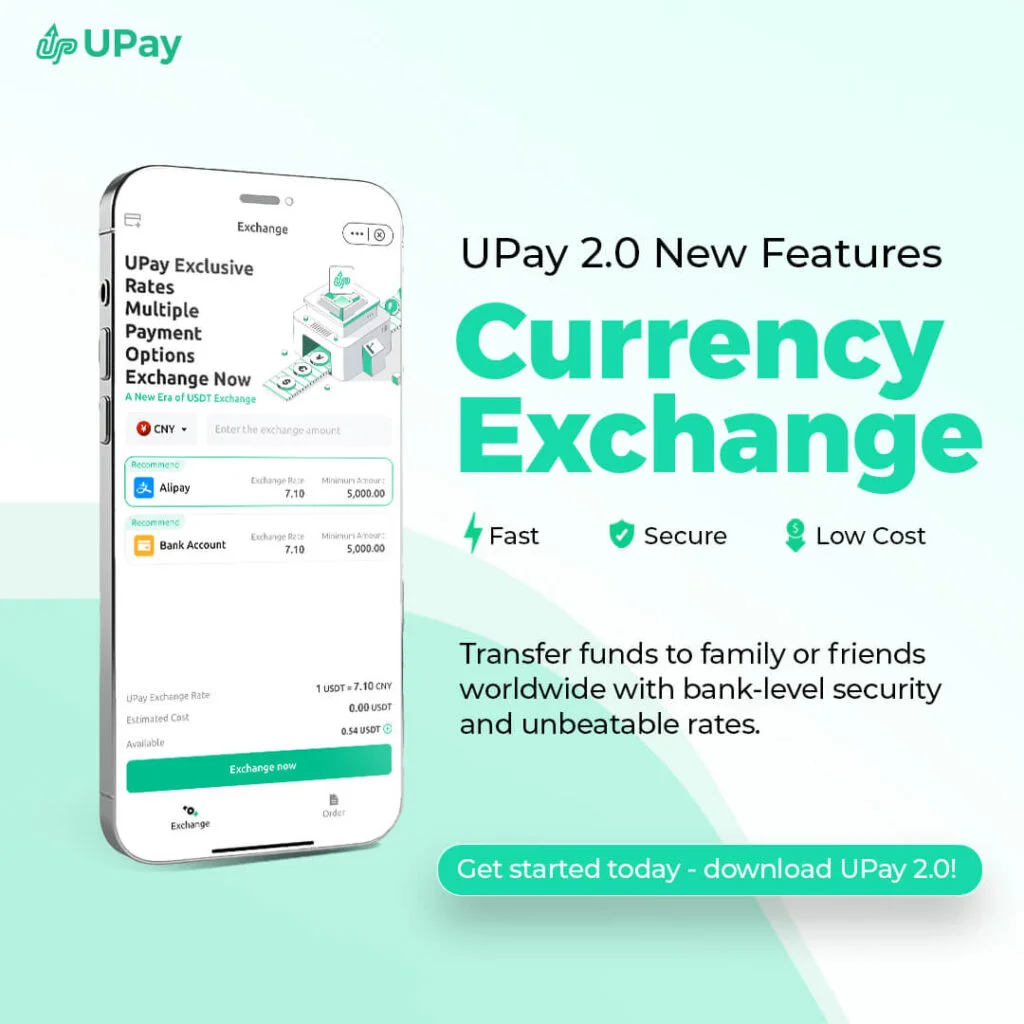
- UPay is one of the strongest options for freelancers: zero cross-border fees, 50+ supported currencies, 55 million+ merchants, and spending limits up to 200,000 USDT on premium tiers.
- Stablecoins like USDT and USDC have become the go-to for freelancers who want crypto speed without price volatility.
Why Freelancers Need Crypto Cards

Source: Pinterest.com
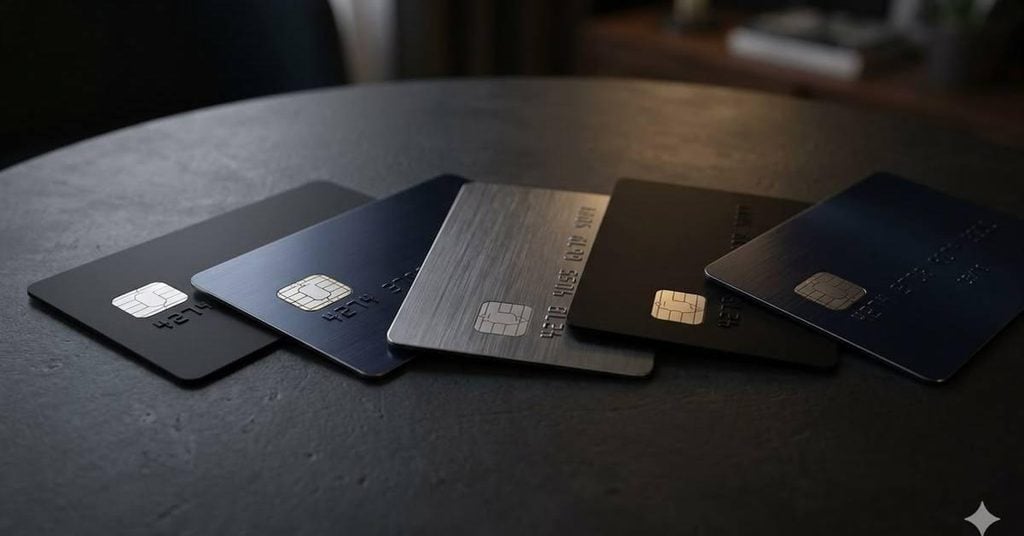
A crypto card works like a debit or prepaid card that connects directly to your crypto wallet. It operates on the Visa or Mastercard network, giving you access to over 100 million merchants worldwide, even if those merchants do not accept crypto directly.
When you make a purchase, the card either converts your crypto to fiat instantly at the point of sale, ensuring the merchant receives local currency like dollars or euros, or it spends from a preloaded fiat balance that you funded by converting crypto through your wallet app in advance.
The Limitations of Traditional Withdrawal Methods
Before exploring specific crypto cards, it is important to understand why traditional withdrawal methods no longer suit active freelancers and digital professionals.
P2P Transfers Carry Compliance Risks
Peer-to-peer platforms may offer competitive exchange rates, but frequent inflows from unfamiliar senders can trigger anti-money laundering (AML) systems in traditional banks. This often results in flagged transactions or even frozen accounts.
Exchange Withdrawal Fees Reduce Earnings
Centralized exchanges (CEXs) typically charge both a flat withdrawal fee and an additional conversion percentage, which reduces the final amount you receive in your bank or card balance.
Traditional Transfers Take Too Long
Bank withdrawal methods such as SEPA and SWIFT transfers often take anywhere from 1 to 5 business days to settle, creating delays that can disrupt cash flow for freelancers who rely on fast access to funds.
How Crypto Cards Solve These Problems
A dedicated crypto card removes these friction points by acting as a direct spending bridge between crypto and real-world payments. It eliminates unnecessary intermediaries, reduces delays, and allows freelancers to access and use their earnings instantly wherever Visa or Mastercard is accepted.
According to Rise’s 2025 Crypto Payroll Report, business adoption of crypto payroll grew from 15% in 2023 to 25% in 2025. The setup is simpler than most people expect. You sign up with a crypto card provider, complete identity verification, load your wallet with crypto, and either activate a virtual card instantly or wait for a physical card to arrive.
Also Read: How to Integrate Crypto Payments with Shopify and WooCommerce
What to Look for in a Crypto Card for Freelancers
Source: Pinterest.com
Not every crypto card is built the same way. Here’s what actually matters when you’re picking one for freelance use:
Zero or Low Cross-Border Fees
Freelancers who earn in one country and spend in another lose money quickly to foreign transaction fees. Choose a card that eliminates these fees or applies a fixed, transparent percentage.
Stablecoin Support
Reliable support for USDT and USDC is essential for most freelancers. You don’t want to deal with volatility when you need your income for everyday expenses like rent and bills.
Instant Card Activation
Instantly activated virtual cards allow you to start spending within minutes of receiving payment. There’s no need to wait days for a physical card to arrive.
Wide Merchant Acceptance
Cards powered by Visa or Mastercard networks are accepted at 55 million to 100 million merchants worldwide. Anything less limits your flexibility and spending power.
Flexible Spending Limits
Your card should match your earning reality. If you make $5,000 to $10,000 monthly as a freelancer, your spending and withdrawal limits should comfortably support that level of income.
No Mandatory Staking Requirements
Some crypto cards, like the Crypto.com card, require you to lock up large amounts of native tokens to access better rewards. For freelancers who depend on liquidity, such a requirement creates unnecessary restrictions and reduces financial flexibility.
The Best Crypto Card for Freelancers
Below is our top 7 best crypto cards for freelancers for your review:
| Platform | Spending Limit | Assets Supported | Token Lockup | Fees | Cashback |
| Upay | Up to $200,000 | 50+ assets | None | No FX fees, no annual fees | None Currently |
| Trustee Plus | Not disclosed | 50+ assets | None | $10 issuance fee, 0.5% top-up fee | None |
| Crypto.com | €10k/month, ATM; €25k aggregate | Selected assets | CRO stake | Starts from $49.90/yr (Plus-tier card) | 2% to 5% in CRO |
| Wirex | Not disclosed | 40+ (fiat & crypto) | None | 0% FX; no monthly fee | 0.5–8% in WXT |
| Bitsa | Not disclosed | Selected assets | None | 0% on crypto purchase | None |
| Metamask | Not disclosed | 9 tokens (USDC, USDT, wETH…) | None | 0% foreign tx (Metal tier) | 3% (Metal tier) |
| Nexo | Not disclosed | Selected assets | None | No monthly fees | Up to 2% |
UPay: Best Overall for Freelancers
Source: Upay.best
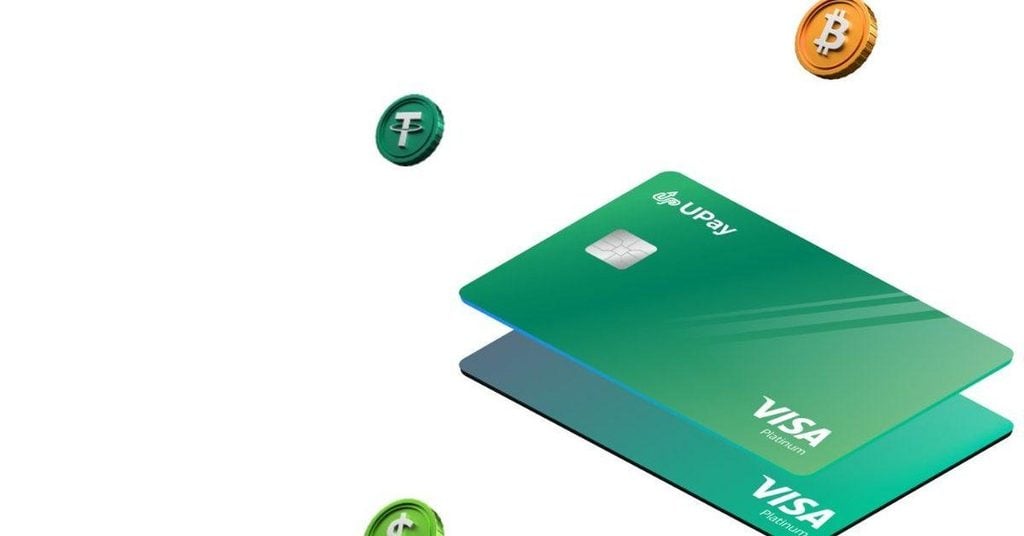
UPay is the most well-rounded crypto card for freelancers who earn globally and spend locally. The card, which supports 50+ assets, lets you use cryptocurrencies like BTC, ETH, or USDT for everyday spending online, in stores, or at ATMs, with payments converting automatically to USD, EUR, and other local currencies.
At checkout, the card handles the crypto-to-fiat conversion instantly, so there’s no need to manually sell on exchanges first. The Platinum tier supports spending limits of up to 200,000 USDT, making it a strong fit for high-volume freelancers receiving crypto payments.
Cross-border payments that traditionally take days through SWIFT can be near-instant, a real advantage when working with international clients. You can also link the card to Apple Pay or Google Pay for faster mobile payments, and it works at millions of merchants and ATMs worldwide. It’s a clean, low-friction way to actually live off your crypto earnings
Trustee Plus: Best for Speed and Utility
Source: trustee.io
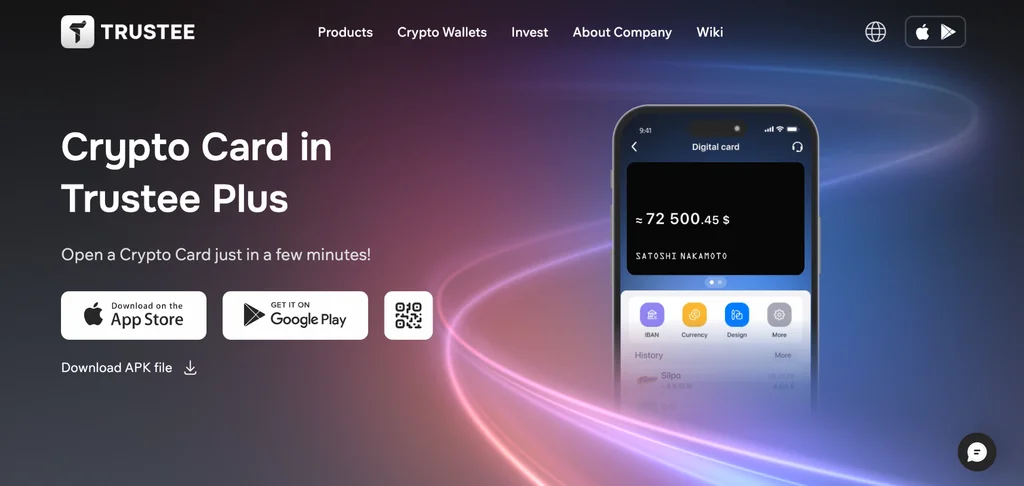
Trustee Plus combines a secure crypto wallet with an integrated crypto payment card, making digital asset spending simple and efficient. Its virtual Visa card works with Apple Pay and Google Pay, enabling payments at over 60 million merchants worldwide and smooth online purchases.
The platform supports more than 50 cryptocurrencies, including stablecoin deposits across multiple blockchain networks. Users pay a one-time $10 card issuance fee, while transaction and maintenance fees remain at 0%. Card top-ups incur a flat 0.5% fee, and currency conversions use Visa’s exchange rates.
Trustee Plus secures accounts with two-factor authentication, biometric verification, and decentralized security measures. Unlike many competitors, it requires no token lockups, focusing instead on convenient digital payments and online subscriptions.
Crypto.com Visa Card: Best for Cashback Rewards
Source: Crypto.com
Freelancers often get paid in crypto, and the Crypto.com card makes it genuinely easy to spend it; no manual selling, no bank transfers, just load and go. The card converts crypto to fiat smoothly, works in stores, online, and overseas, and supports Apple Pay and Google Pay.
There are zero foreign exchange fees on international transactions, which is a real win for anyone working with global clients. Cashback ranges from 2% to 5% in CRO, rewarding everyday spending, and streaming rebates for Spotify and Netflix are a nice bonus.
For most freelancers, the Plus tier at around $49.90/year is the best option, offering 2% cashback and zero trading fees, providing straightforward value without overcommitting. It’s a practical card built for people who live and earn digitally.
Across all tiers, Crypto.com caps monthly ATM withdrawals at €10,000 and sets an aggregate top-up limit of €25,000.
Wirex: Best for Multi-Currency Freelancers in Europe
Source: wirexapp.com
Wirex combines a Web3 wallet with a multi-currency fiat account, making it an excellent choice for freelancers who regularly manage payments in multiple currencies.
The platform offers both virtual and physical cards and operates as a direct Visa principal member, allowing it to provide competitive pricing, including 0% foreign exchange fees. Wirex supports over 40 currencies, both fiat and crypto, including stablecoins, and is especially popular among European freelancers.
With the free Wirex Standard plan, users earn 0.5% Cryptoback rewards in WXT (Wirex Token) on every purchase, while premium and elite members can earn up to 8% Cryptoback. Cardholders also benefit from no monthly or annual fees and can spend at more than 80 million merchants worldwide.
Users can withdraw up to £200 per month without fees and make convenient payments through Apple Pay and Google Pay. The Wirex card delivers a smooth experience for freelancers who are seeking an all-in-one financial solution with low foreign exchange costs.
Bitsa: Best For Freelancers Who Enjoy Flexibility
Source: bitsa.com
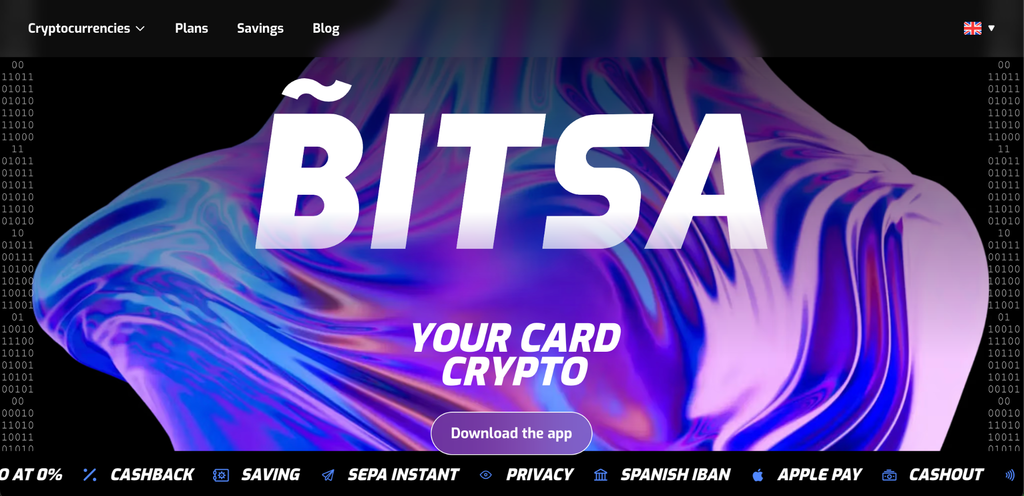
For freelancers who want financial flexibility without the hassle of a traditional bank, Bitsa is a genuinely useful tool. It’s a prepaid Visa card that works independently of any bank account; you load it up and spend it however you like, online or in-person, at millions of merchants worldwide.
What makes it especially handy for freelancers is the ability to receive and hold both euros and cryptocurrencies in one place, with zero commission on crypto purchases. You can top it up via bank transfer, crypto, or even a voucher and withdraw cash when needed.
The Spanish IBAN and SEPA Instant support make it practical for professional payments, while features like multiple cards with independent balances, Apple Pay, Google Pay, and up to €100,000 in insurance help you feel secure.
MetaMask: Smooth Crypto Spending
Source: metamask.io
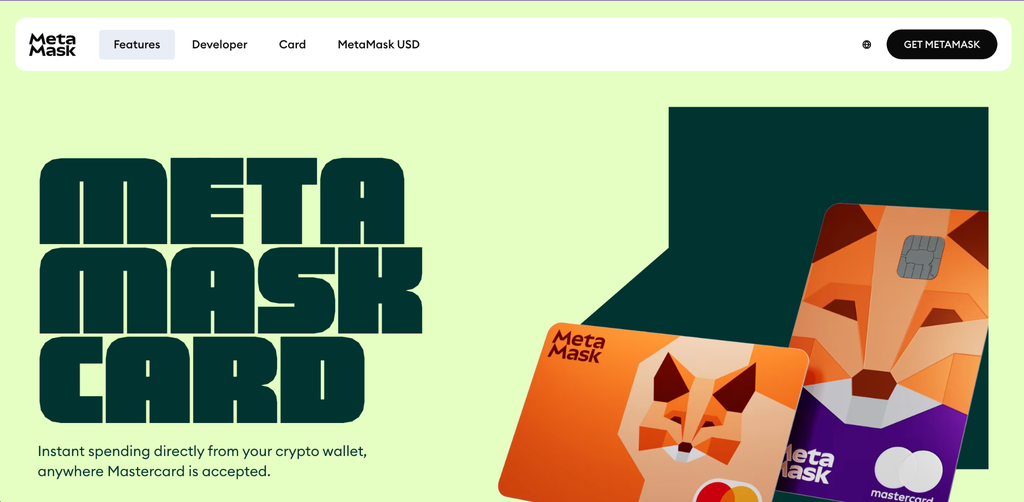
For freelancers who get paid in crypto, the MetaMask Card is a true game changer. Instead of routing funds through exchanges or waiting on bank transfers, you can spend directly from your wallet anywhere Mastercard is accepted, which covers over 150 million merchants worldwide. Your crypto stays in your custody right up until the moment you pay, so you’re never handing control to a third party.
The card supports nine tokens, including USDC, USDT, wETH, and mUSD, giving you real flexibility depending on how clients pay you. The Metal tier earns 3% cashback on purchases with no foreign transaction fees, a solid perk if you’re working with international clients and dealing with multiple currencies.
You can also export transaction statements for crypto taxes or accounting, which makes the admin side of freelancing a lot less painful. It’s the missing link between earning in Web3 and living in the real world.
Nexo: Offers Dual Options for Freelancers
Source: Nexo.com
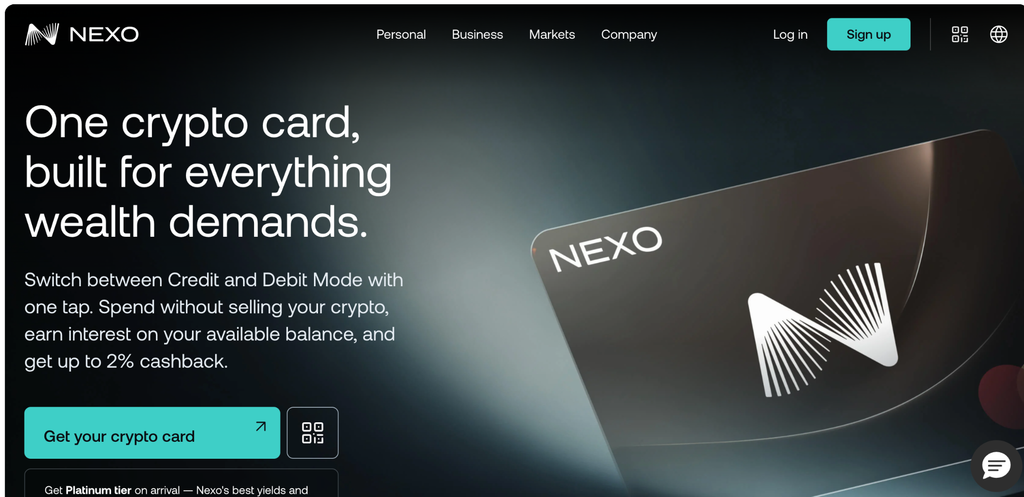
The Nexo Card is a genuinely smart tool for freelancers who get paid in crypto or want to make their money work harder between projects. It earns up to 2% cashback on purchases and up to 13% interest on unspent balances, paid out daily, with no monthly fees.
The card’s dual credit and debit modes mean you can spend without selling your crypto when the market is moving or tap directly into stablecoins when you need fiat fast. It works at over 100 million merchants worldwide and supports Apple Pay and Google Pay, so day-to-day spending is smooth.
Things to Watch Out For
Here are some important factors to consider as a freelancer before choosing a crypto card:
Understand Your Tax Obligations
Many countries treat crypto spending, including stablecoin transactions, as a taxable event. Review your local tax regulations and keep accurate records of all transactions to stay compliant.
Complete KYC Verification
Legitimate crypto card providers, such as Upay, require users to verify their identity before accessing services. If a platform allows you to bypass KYC requirements, consider it a potential warning sign.
Check Spending Limits
Many entry-level crypto cards come with relatively low daily or monthly spending caps. If you earn or spend more than $5,000 per month, verify that your chosen card tier can support your transaction volume. For instance, UPay’s Platinum tier supports up to 200,000 USDT to comfortably handle high-volume earners.
Prioritize Security Over Convenience
Unlike traditional bank deposits, crypto card balances typically do not benefit from deposit insurance. Choose a provider that offers strong security features such as two-factor authentication (2FA), encryption, and fraud monitoring. Upay employs such a security network, including 24/7 fraud monitoring and compliance with global data protection standards.
Conclusion
A crypto card for freelancers is one of the most practical tools available right now for anyone who earns money across borders and wants to keep their earnings.
The gig economy is worth $582 billion and still growing. More freelancers than ever are billing in crypto, receiving payments in stablecoins, and investigating how to spend those earnings without a bank taking a cut at every step.
The era of chasing bank approvals and waiting five days to access your money is over. If you’re a freelancer operating internationally, a crypto card is not a luxury; it’s the smarter way to get paid and spend with confidence.
Frequently Asked Questions (FAQs)
What is a crypto card for freelancers?
A crypto card for freelancers is a Visa or Mastercard debit card connected to a crypto wallet. It lets freelancers receive payment in cryptocurrency and spend those earnings anywhere the card network is accepted, with automatic crypto-to-fiat conversion at the point of sale.
Which is the best crypto card for freelancers?
UPay is one of the strongest options in 2026. It charges zero cross-border fees, a flat 1% transaction fee, supports 50+ cryptocurrencies, and works at 55 million+ merchants in 180+ countries. It’s designed for freelancers and global spenders.
Can I use a crypto card without a bank account?
Yes, most crypto cards do not require a traditional bank account. You fund the card directly from your crypto wallet.
Are crypto cards safe for freelancers?
Yes, when used with reputable providers. Look for cards that offer two-factor authentication, encryption, fraud monitoring, and KYC compliance. UPay, BitPay, and Crypto.com all meet these standards.