



Imagine buying coffee, booking flights, or shopping online, and paying directly with Bitcoin, Ethereum, Upay, or USDT.
A cryptocurrency credit card makes it possible, instantly converting your crypto into local currency at checkout. It’s not just a payment tool, it’s your bridge between the digital asset world and everyday life.
With the rising adoption of crypto credit cards, understanding how they work, their benefits, and their fees could be the smartest financial move you make this year. Let’s explore.
Key Takeaways
- Crypto credit cards often come with attractive rewards such as cashback in Bitcoin or other tokens.
- Safety depends on choosing a regulated and reputable provider, along with understanding the card’s fees and conditions.
- Every swipe may be a taxable event, depending on your country’s rules, so awareness of tax obligations is important.
- Availability and usability are expanding, but still limited by regions and issuers, so always check if your country is supported.
What Is a Cryptocurrency Credit Card and How Does It Work?
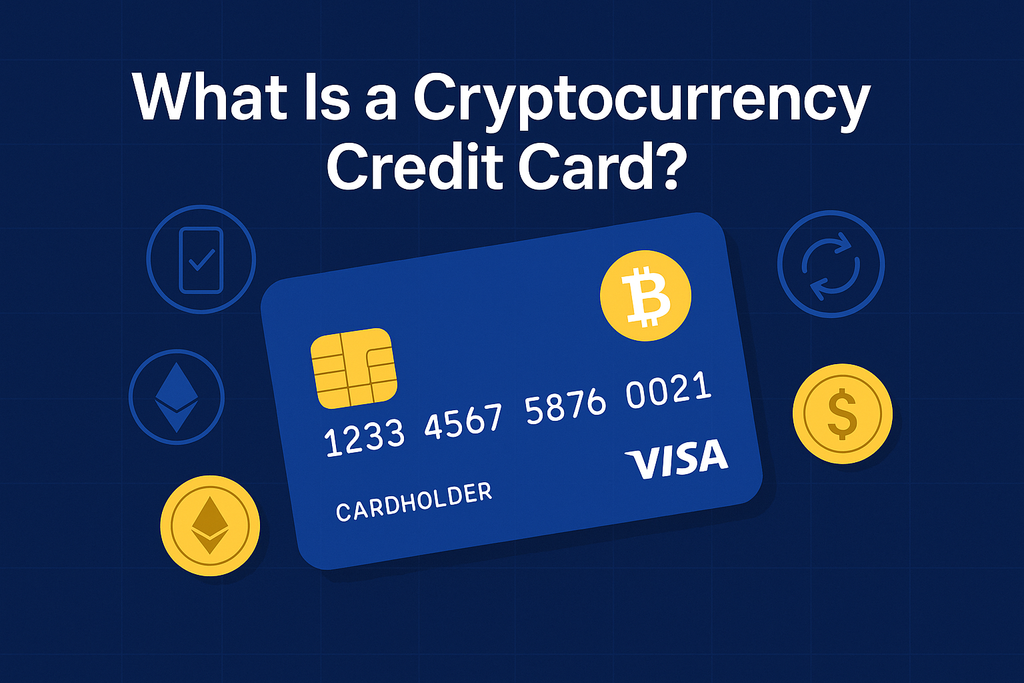
Ever imagined spending crypto as easily as swiping your regular bank card? In 2026, that dream is a reality, and it’s booming.
Cryptocurrency credit cards are no longer just buzzwords; they’re actual tools reshaping how we spend, save, and earn rewards in the digital world.
With major players like Visa, Mastercard, and pioneering crypto platforms, whether you’re a seasoned trader or just diving into DeFi, using a crypto credit card could give you rewards in Bitcoin, cashback in Ethereum, or even fee-free conversions at global retailers.
But are they safe? Are they worth it? And most importantly, which ones should you trust? Let’s unpack it all.
Top Cryptocurrency Credit Cards to Use in 2026
In 2026, crypto credit cards have evolved into more streamlined, secure, and user-friendly tools than ever before.
While they resemble traditional credit cards in appearance and usage, their internal mechanics are tied directly to your digital asset holdings and crypto wallet. Here’s how it typically works in practice:
1. Linking Your Wallet:
You begin by signing up for a crypto credit card issued by a crypto-friendly financial institution, popular issuers include Binance, Coinbase, Crypto.com, Upay and even some traditional banks entering the space. You’ll need to connect your crypto wallet or fund a linked custodial wallet on the platform.
2. Spending Power Based on Your Holdings:
Your credit limit may either be pre-set like regular cards or dynamically linked to the value of your crypto portfolio. Some cards offer actual credit (borrowed funds), while others operate more like debit cards, spending only the crypto you hold.
3. Instant Conversion:
At the moment you swipe, tap, or input your card details online, the platform automatically converts the required amount of crypto to fiat (e.g., Naira, USD, Euro) and pays the merchant. This ensures smooth use, the merchant doesn’t even need to know you’re paying with crypto.
4. Rewards & Benefits:
Just like mainstream cards, you earn rewards, except these are often in cryptocurrency. Some platforms offer 1–8% back in Bitcoin, Ethereum, or even native tokens. Others provide travel perks, NFT drops, or staking bonuses.
5. Fees & Interest:
It’s important to know that many crypto cards charge conversion fees, especially when converting volatile assets. Cards offering actual credit may charge interest, just like traditional banks. However, stablecoin-based cards (e.g., cards tied to USDT or USDC) help reduce volatility risks.
6. Security & Regulations:
Thanks to the growing regulation of crypto in many jurisdictions by 2026, most major crypto credit cards now meet KYC (Know Your Customer) and AML (Anti-Money Laundering) standards. They also provide fraud protection, two-factor authentication, and integration with mobile apps for instant control.
For Example: Let’s say you own 0.01 BTC. You walk into a café in Lagos and buy a smoothie for ₦5,000. Once you swipe your crypto credit card, your provider instantly converts the equivalent of ₦5,000 from your BTC wallet into Naira and settles the transaction, all within seconds.
In summary, crypto credit cards in 2026 are designed for real-time spending, borderless convenience, and crypto-powered rewards, turning digital assets into practical tools for everyday life.
How Do Cryptocurrency Credit Cards Work

At their core, cryptocurrency credit cards function almost like traditional credit cards, you make purchases, and the issuer settles the payment with the merchant, but the difference lies in how the money is sourced and rewarded.
Instead of pulling from your naira, dollar, or euro balance directly, these cards either convert your crypto to fiat in real-time or allow you to spend stablecoins without needing to sell manually. When you swipe or tap your crypto credit card, here’s the typical flow:
- Transaction Initiation: You use your card at a store or online. The card network (Visa, Mastercard, etc.) processes the payment.
- Crypto-to-Fiat Conversion: The issuing platform (e.g., Crypto.com, Binance, Nexo) instantly converts the necessary amount of your crypto into the merchant’s currency at the prevailing market rate. This happens in seconds, so the shop gets paid in their local currency, not in Bitcoin or Ethereum.
- Rewards Accumulation: Unlike traditional cards that offer cashback in fiat, crypto credit cards often reward you in cryptocurrency. This means you could be earning Bitcoin, Ethereum, or even the card issuer’s native token for every purchase.
- Repayment & Balances: Some crypto credit cards are prepaid (you load them with crypto first), while others are true credit lines, allowing you to spend now and pay later, either in fiat or in crypto, depending on your card’s terms.
The beauty of these cards lies in their bridge between traditional finance (TradFi) and decentralized finance (DeFi). You get the familiarity and global acceptance of a Visa or Mastercard while also staying plugged into the crypto ecosystem. This makes them especially attractive for frequent travelers, online shoppers, or anyone who wants to earn crypto as they spend.
Benefits of Using a Cryptocurrency Credit Card
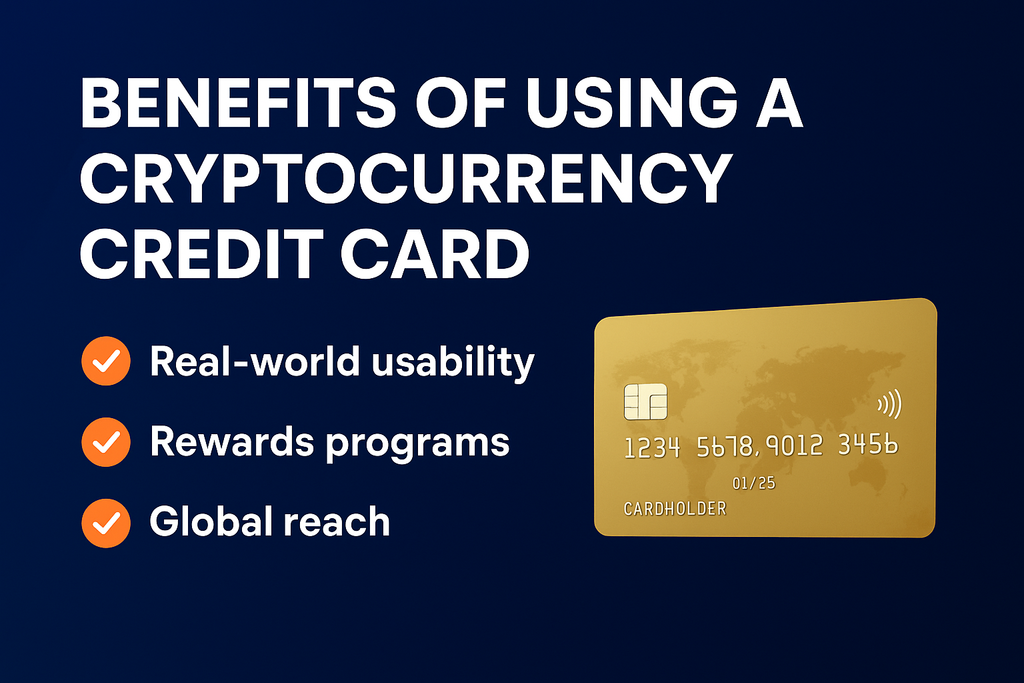
A cryptocurrency credit card brings the convenience of everyday spending to the digital currency world, allowing you to use your crypto as easily as fiat currency.
1. Real World Usability
The most obvious benefit is real-world usability; if you can pay for groceries, online subscriptions, travel bookings, or even dining out directly from your crypto wallet, without having to manually convert coins to cash first.
2. Rewards Programs
Another key advantage is rewards programs. Many crypto credit cards offer cashback or loyalty points in the form of cryptocurrency, meaning you’re not just spending, you’re actively earning digital assets with every purchase.
This creates a cycle where your everyday expenses can gradually grow your portfolio over time.
3. Global Reach
There’s also the advantage of global reach. Crypto credit cards typically work on existing payment networks like Visa or Mastercard, so you can use them almost anywhere in the world.
For frequent travelers or digital nomads, this can be a cost-effective alternative to dealing with currency conversion fees.
4. Security
Security is another notable perk. Many cards integrate with blockchain-based verification systems, adding layers of transparency and protection. Some even offer features like instant card freezing, spending alerts, and secure multi-signature transactions.
In short, a crypto credit card blends the future of money with the convenience of traditional payment systems, giving you spending freedom without losing touch with the crypto ecosystem.
Understanding Crypto Credit Card Fees and Interest Rates
While cryptocurrency credit cards can feel like a fresh, exciting alternative to traditional banking tools, their fee structures can sometimes surprise new users if not carefully understood.
Unlike a regular bank-issued credit card that deals exclusively in fiat, crypto credit cards have to manage two worlds, digital assets and traditional currency, and this duality shapes their charges.
1. Conversion Fees
Conversion fees are often the first to watch out for. These apply when your crypto balance is converted into fiat to complete a transaction. Even cards that advertise “zero transaction fees” may still have hidden spreads, small markups built into the exchange rate.
For instance, if Bitcoin’s market price is ₦50 million, you might receive a conversion rate closer to ₦49.8 million per BTC, quietly costing you a fraction of your funds.
2. Network Fees or Blockchain Transaction Fees
Next are network fees or blockchain transaction fees. Although many cards pool transactions to lower costs, these charges can still pass on to you indirectly, especially during network congestion.
Note: Interest rates work much like traditional credit cards. For example, if you carry a balance into the next billing cycle, you’ll pay interest. However, what’s different is that the value of your collateral (if using a credit line backed by crypto) can fluctuate. A market downturn could lead to margin calls or require you to deposit additional assets.
3. Annual or Maintenance Fees
Lastly, annual or maintenance fees vary between providers. Some cards are free to keep, while others require a monthly subscription. The right choice depends on your spending habits, heavy users might justify higher fees with better perks, while casual spenders may prefer no-annual-fee options.
In short, a clear understanding of all possible charges can prevent unpleasant surprises and help you choose a card that maximizes value without quietly draining your crypto holdings.
Read Also: Best Prepaid Crypto Card for Companies in 2026
Security Risks and How to Avoid Them
When converting cryptocurrency to cash, security is not just a nice-to-have; it is the foundation of a safe transaction.
The decentralized nature of crypto means that once your funds are gone, whether through fraud, phishing, or account compromise, there’s usually no reversing the damage.
That’s why knowing the risks and proactively avoiding them is essential before you even start a conversion.
1. Scam Platforms
One of the biggest threats is scam platforms and fake exchanges. These sites can look legitimate, complete with sleek interfaces and even fake reviews, but their real intention is to steal your coins once you deposit them.
The first rule is to only use exchanges and services that are well-known, have a strong track record, and are regulated in your region where possible.
A quick background check is reading community forums like Reddit’s r/cryptocurrency or checking trusted comparison sites. These can save you from falling into these traps.
2. Phishing Attacks
Another danger is phishing attacks, where hackers try to trick you into revealing your wallet keys or exchange login credentials.
These can come in the form of emails claiming there’s a “security alert” or fake ads on social media directing you to a fraudulent login page.
- To avoid this, always type an exchange’s URL directly into your browser rather than clicking links from emails or search results. Where available, enable two-factor authentication (2FA) on all accounts to add an extra layer of protection.
- If you’re meeting someone in person to exchange crypto for cash, there’s the added risk of physical theft or coercion. Always meet in public, well-lit places, ideally with CCTV surveillance, such as inside a bank branch, and never go alone.
- For large transactions, using an escrow service or meeting at a licensed crypto exchange office is far safer.
- Also, be wary of public Wi-Fi networks when making transactions. Hackers can intercept data on unsecured networks, so stick to your home connection or use a reputable VPN service when dealing with sensitive financial information.
- Lastly, don’t forget the security of your own devices. Keep your phone and computer updated, run reliable antivirus software, and store wallet backups in secure, offline locations. Even the most secure exchange can’t protect you if your own device is compromised.
By staying alert, verifying every step, and following these security best practices, you significantly reduce your exposure to threats, making your conversion process not just smooth, but safe.
Conclusion
Crypto credit cards aren’t just a tech novelty anymore, they’re quickly becoming a real part of everyday spending. They let you use your digital coins as easily as you’d use cash, often rewarding you along the way.
The real magic is in picking one that fits your lifestyle, whether that’s traveling, shopping, or investing. And remember, it’s not just about swiping, it’s about knowing the fees, understanding the perks, and making sure your card is helping you grow, not just spend.
Frequently Asked Questions
How does a cryptocurrency credit card work?
A crypto credit card works like a regular credit card, but instead of only using fiat money, it lets you spend your crypto balance. The provider automatically converts your chosen crypto (like BTC, ETH, or USDT) into fiat at the point of purchase.
Can I earn rewards with a crypto credit card?
Yes! Most crypto cards offer cashback in Bitcoin or other tokens. For example, some give 1%–5% back in crypto every time you swipe.
Is it safe to use a crypto credit card?
As long as you choose a card from a regulated, reputable provider, it’s generally safe. But you should still watch out for transaction fees, hidden charges, and make sure the provider offers strong security features.
Do I need to pay taxes when using a crypto card?
In many countries, yes. Each time crypto is converted into fiat, it may count as a taxable event. Always check your local tax rules before heavy usage.
Can I use a crypto credit card worldwide?
Most cards run on networks like Visa or Mastercard, so they can be used anywhere those are accepted. However, availability depends on whether the issuer supports your region.