
A marketplace can hold dollars in stablecoins and still owe a supplier in Mexican pesos. The supplier may have no reason to open a crypto wallet, especially if the money is due for wages or inventory. BVNK’s new payout option lets the marketplace fund the payment from its stablecoin balance while the supplier receives pesos in a bank account.
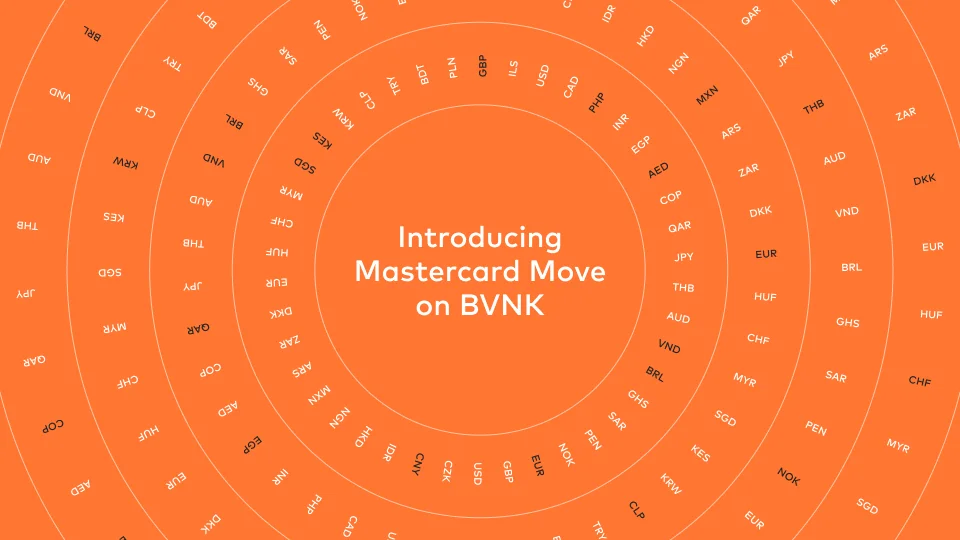
BVNK announced the feature on November 11, with bank payouts in 11 currencies at launch. It uses Mastercard Move to deliver local currency to recipients. For a finance team that already holds stablecoins, the change gives it another way to pay overseas suppliers and contractors without asking them to handle the conversion.
Wichtige Erkenntnisse
- BVNK converts the sender’s stablecoin balance and uses Mastercard Move to deliver local currency to the recipient’s bank account.
- The launch covers 11 currencies, including the Mexican peso, Brazilian real and Philippine peso.
- BVNK plans to expand to more than 40 currencies in 2027. Businesses should verify that their payout route is available before committing to a payment date.
How the Payout Works
A business initiates a payout through BVNK’s merchant portal or API. BVNK converts the funds and routes the local currency payment through Mastercard Move. The recipient gets a bank transfer and does not need to receive or redeem a stablecoin.
That difference matters in projects such as Circle’s plan to pay Move Afrika vendors in USDC. A vendor who receives USDC may still need to convert it to pay staff or suppliers. With BVNK’s bank payout option, the conversion takes place before the money reaches the recipient. The sender can hold funds in one form and pay a supplier in another.
Which Currencies Are Available?
The Paypers lists the 11 launch currencies as USD, CAD, GBP, EUR, MXN, BRL, ARS, COP, CLP, PHP and KRW. A marketplace paying a supplier in Mexico or a contractor in the Philippines can check for a payout in pesos. A business that needs to deliver a currency outside the list still needs another route.
The currency list is a starting point. Before promising a delivery date, confirm that your account can send the payment, that the beneficiary’s account can receive it, and that you have the required bank details. A missing detail can delay a payout even when the currency is supported.
What Finance Teams Should Check First
Start with an actual invoice. If a supplier expects 20,000 Mexican pesos, check whether you can specify that exact amount as the payout and see the total cost before sending. When checking how much a recipient will get, look at the exchange rate alongside the transfer fee. A low visible fee tells you little if the conversion leaves the invoice short.
Next, check what the provider shows after you submit the payment. A submitted payout and a credit to the beneficiary’s bank account are different milestones. The payout report should give your team enough information to match the transaction to the original invoice without relying on a screenshot or a message from the supplier. If a payment fails, confirm where the funds return and whether a fresh exchange rate applies on retry.
Fazit
BVNK and Mastercard Move give businesses a way to fund bank payouts with stablecoins across 11 launch currencies. Before switching recurring payments, try one invoice on a supported route. Check what the supplier receives, when it arrives and whether your finance team can close out the invoice from the payout record.