


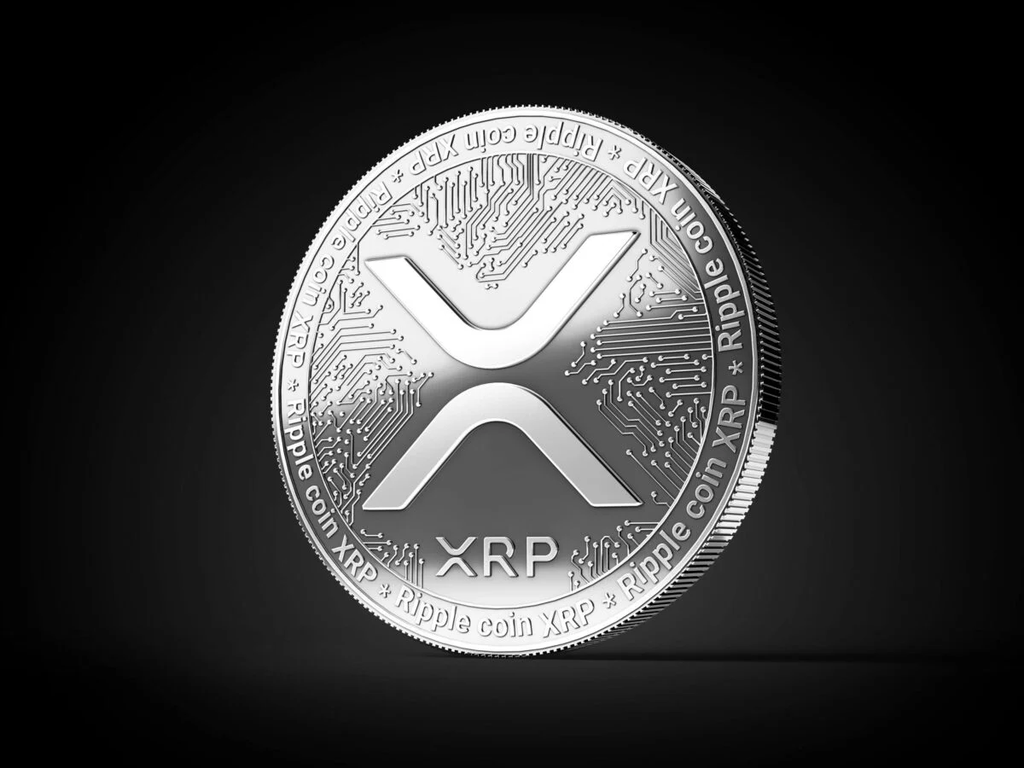
Evernorth is exploring ways to put its XRP treasury to work through native lending on the XRP Ledger as validators review proposals that could bring lending directly into the network.
The XRP focused digital asset treasury firm is particularly interested in XLS 66, a proposed amendment designed to support fixed term lending through native XRPL infrastructure. The proposal is still under validator review and must reach the required consensus threshold before the feature can go live.
Key Takeaways
- Evernorth is exploring native XRP lending as a way to generate additional utility from its large XRP treasury.
- XLS 66 would enable lending directly on the XRP Ledger without relying on external smart contracts or blockchain bridges.
- Validators are still reviewing the proposal, meaning native lending is not yet active on XRPL.
Evernorth Looks Beyond Simply Holding XRP
Evernorth holds roughly 473 million XRP and is considering how those assets could be deployed within the XRP Ledger’s growing DeFi ecosystem.
Chief Business Officer Sagar Shah said the company wants to move beyond simply holding XRP and is evaluating native lending as one potential use for its treasury. The company’s interest comes as XRPL developers work on infrastructure designed to support more financial activity directly on the ledger. If the lending amendments are approved, Evernorth could potentially become an important liquidity provider for the new market.
The firm is also progressing with plans to become a publicly listed company, making its approach to managing XRP holdings particularly relevant to investors assessing its treasury strategy.
XLS 66 Could Bring Lending Directly to XRPL
XLS 66 is designed to introduce native lending functionality to the XRP Ledger. It builds on XLS 65, which proposes on chain vaults for pooling XRP and other XRPL assets. Under the proposed framework, lenders and borrowers would be able to interact with lending markets directly through the ledger rather than relying on separate DeFi applications, wrapped assets or blockchain bridges.
The framework is intended to support fixed term and fixed rate loans, with lending activity and repayments handled through the XRPL infrastructure.
Shah believes the native approach could also reduce some risks associated with smart contract based DeFi applications.
“Because it’s natively built into the ledger, I think a lot of the protections that exist, smart contract exploits might exist with other chains, are almost non-existent on the XRP Ledger.”
However, that does not mean the proposed system would be free from risk. The lending framework remains subject to validator approval, while borrowers, lenders and liquidity providers would still face financial and counterparty risks once markets become active.
Validators Still Have the Final Say
The XLS 65 and XLS 66 proposals have been under development for several years and entered the XRPL validator voting process in January 2026. Ripple has also voted in favor of the proposed amendments, adding support from one of the network’s major validators. That vote alone does not activate the functionality. The required validator consensus must still be reached before the amendments can become part of the live protocol. Until that happens, Evernorth cannot deploy XRP through XLS 66 based on the proposed native lending system.
XRPL Targets Broader Financial Use
Evernorth’s interest in lending also reflects a wider push to expand the XRP Ledger beyond payments. Shah pointed to confidential transfers and smart escrows as other features that could support real world asset applications. He also estimated that around $30 billion worth of assets are currently tokenized, arguing that the market could eventually grow into the trillions.
Native lending could give XRP another role within that ecosystem by allowing holders to deploy the asset as liquidity rather than leaving it inactive in treasury accounts. For XRPL, the potential arrival of native lending could also make the network more attractive to institutional participants looking for blockchain based financial infrastructure.
Conclusion
Evernorth’s exploration of native XRP lending comes as the XRP Ledger considers one of its most significant DeFi upgrades. XLS 66 could give XRP holders a way to lend and borrow directly through the ledger without depending on external smart contracts or bridges.
For now, the proposal remains subject to validator approval. The outcome of that process will determine whether Evernorth and other institutions can begin using native XRPL lending as part of their digital asset strategies.