


Try to stay calm if you are in the process of unfreezing your cryptocurrency; most frozen accounts represent a temporary access issue rather than a permanent loss.
The first thing to understand is that not all crypto freezes work the same way. A freeze on a centralized exchange (like a compliance hold or KYC verification request) follows a completely different recovery path than a stuck on-chain transaction or a locked smart contract.
Knowing which type you are dealing with saves hours, sometimes days of misdirected effort.
We have broken this guide into clear, action-oriented sections based on freeze type, so you can jump straight to the situation that matches yours.
To Unfreeze Cryptocurrency
To unfreeze cryptocurrency, first identify where the freeze is on a centralized exchange (Binance, Coinbase, Kraken) or in a self-custody wallet.
For exchange freezes, check your email for a notification, complete any pending KYC verification, and contact official support with your account details and a government-issued ID.
For stuck on-chain transactions, check the TXID in a blockchain explorer to confirm the status, then adjust your gas fee or replace the pending transaction.
Never share your seed phrase or private key with anyone claiming to help you unfreeze your funds,this is the most common crypto recovery scam.
The main steps:
- Check your exchange email and app notifications for a freeze reason
- Log into the official support portal, not a link from a DM or email
- Prepare your government-issued ID and proof of address before contacting support
- Verify funds on a blockchain explorer if the freeze appears on-chain
- Follow the platform’s specific verification or appeal process
- Be patient — exchange-level reviews typically take 1–5 business days
Diagnose Your Freeze Before You Do Anything Else
Before contacting support or changing any account settings, take two minutes to work out what type of freeze you are actually dealing with.
Getting this wrong means following the wrong recovery path and potentially delaying access to your funds.
There are three distinct types of crypto freeze, and each has a different solution:
- Exchange / Platform Freeze, Your account is restricted by the exchange (Binance, Coinbase, Kraken, etc.) due to security flags, incomplete identity verification, or a compliance hold.
Your funds still exist on the exchange; the exchange itself is limiting what you can do. - On-Chain / Transaction Freeze ,A transaction you sent is stuck as “pending” on the blockchain due to low gas fees, network congestion, or a nonce conflict.
The funds have left your wallet but have not arrived. You need to look at this in a blockchain explorer like Etherscan (for Ethereum) or blockchain.com (for Bitcoin). - Self-Custody Wallet Freeze, You have lost access to a personal wallet (MetaMask, Trust Wallet, Ledger) because of a forgotten password, missing seed phrase, or device failure.
Note: if your seed phrase is gone, this may not be recoverable through any support team.
How to Quickly Confirm Which Type You Have
- Can you still log into the exchange? → If yes but you cannot withdraw, this is an exchange-level freeze. Jump to the exchange-specific section below.
- Did you send a transaction that is stuck? → Copy the TXID (transaction ID) and paste it into a blockchain explorer. If it shows “pending,” this is an on-chain issue.
- Are you locked out of a personal wallet? → This is a self-custody issue. Recovery depends on whether you still have your seed phrase.
Before you proceed: Check your exchange’s official status page (e.g., status.coinbase.com, binance.com/en/support/announcement) to rule out a platform-wide outage, which can look identical to a personal account freeze.
How to Unfreeze Cryptocurrency on Specific Exchanges
Most centralized exchanges follow a similar general process, but the exact steps, timelines, and required documents differ by platform. Here is what to do on the most popular exchanges.
Binance
Binance is the world’s largest crypto exchange by volume, and its account freeze process is tied closely to its internal risk-management system. If your Binance account is restricted:
- Step 1: Log in and check for a notification banner on your dashboard — Binance typically displays the restriction reason directly.
- Step 2: Go to Account > Security > Identity Verification to check if a KYC step is pending.
- Step 3: Submit a support ticket through the official Binance Support Center (not via social media or email). Include your UID, a description of the issue, and any requested documents.
- Step 4: Prepare your government-issued ID, proof of address, and potentially a short video selfie for identity confirmation.
- Timeline: Typically 1–7 business days for compliance-related reviews.
Coinbase
Coinbase uses the term “account restriction” rather than freeze. Restrictions on Coinbase are most commonly triggered by suspicious login activity, a pending ACH transfer, or a regulatory review.
- Step 1: Check your registered email address — Coinbase always sends an email with the restriction reason and next steps.
- Step 2: Log in and go to the Help Center from within the app. Do not use third-party links.
- Step 3: If the restriction is identity-related, navigate to Settings > Identity Verification and complete any outstanding requirements.
- Step 4: If the restriction is security-related (new device, password reset), Coinbase automatically applies a 72-hour hold as a fraud-prevention measure. You may need to wait this out.
- Timeline: Security holds: 24–72 hours. Compliance reviews: 3–10 business days.
Kraken
Kraken is known for thorough verification procedures and strong regulatory compliance. Account freezes on Kraken are most often tied to incomplete verification or unusual trading patterns.
- Step 1: Contact Kraken support via live chat or the official help ticket system at support.kraken.com.
- Step 2: Provide your Kraken username, the last 4 digits of your phone number on file, and a clear description of the issue.
- Step 3: Prepare to submit enhanced KYC documentation if Kraken requests it — this may include a source-of-funds declaration for large accounts.
- Timeline: Standard reviews: 1–3 business days. Enhanced reviews: up to 14 business days.
Bybit
Bybit account restrictions are typically linked to its risk-control system, which can flag accounts for unusual withdrawal requests, new device logins, or compliance triggers.
- Step 1: Check your Bybit app or web dashboard for a restriction notice.
- Step 2: Submit a support request through the Bybit Help Center with your User ID and a screenshot of the restriction notice.
- Step 3: Complete any pending identity verification at Account & Security > Identity Verification.
- Timeline: Generally 1–5 business days.
Warning: The Frozen Wallet Scam You Need to Know About
When your crypto is frozen, you are vulnerable. Scammers know this, and they specifically target users who are searching for how to unfreeze cryptocurrency. Before you contact anyone for help, understand the most common fraud patterns:
The Recovery Agent Scam
Scammers pose as crypto recovery specialists on Telegram, Twitter/X, Reddit, and YouTube comments. They claim they can unfreeze your funds quickly for a fee.
This is always a scam. No third-party agent can unfreeze a regulated exchange account on your behalf.
The Compliance Fee Scam
A fake support representative (via DM, email, or a cloned website) tells you your account is frozen due to outstanding compliance fees or regulatory charges and asks you to pay a specific amount to unlock your funds. Legitimate exchanges never charge a fee to unfreeze accounts.
The Seed Phrase Phishing Scam
A support agent — often posing as Coinbase, Binance, or MetaMask staff, asks for your seed phrase or private key to “verify” your wallet and restore access.
Never share your seed phrase or private key with anyone. Any official support team that asks for it is not a real support team.
How to Recover Access to a Frozen Self-Custody Wallet
A self-custody wallet (like MetaMask, Trust Wallet, or a Ledger hardware wallet) gives you full control of your crypto, but it also means there is no support team that can unlock your account for you.
Here is what you can do based on your situation:
If You Have Your Seed Phrase (Secret Recovery Phrase)
This is the best-case scenario. If your wallet app is frozen, corrupted, or you have lost access to the device:
- Download the official wallet app on a clean device (verify the developer name before downloading)
- Select Import Wallet or Restore Wallet during setup
- Enter your 12 or 24-word seed phrase exactly as it appears in your backup
- Your wallet and all associated assets will be restored
If You Do Not Have Your Seed Phrase
If you have lost your seed phrase and cannot access your wallet app, recovery is extremely difficult. There is no forgot my seed phrase option. Some options people explore include:
- Checking cloud backups, notes apps, or photos where the phrase may have been saved
- Consulting a specialist in wallet forensics (with extreme caution — verify their credentials carefully)
Be realistic: without the seed phrase, access to a self-custody wallet may be permanently lost. This is why securely backing up your seed phrase offline when you first create a wallet is critical.
If a Transaction is Stuck (On-Chain Freeze)
If you sent a transaction from your wallet and it has been pending for hours or days, the most likely cause is an insufficient gas fee. To fix it:
- Copy the TXID from your wallet and check its status on a blockchain explorer (Etherscan for ETH/EVM tokens, blockchain.com for BTC)
- If the transaction shows “pending,” you may be able to speed it up (pay more gas) or cancel it (replace it with a zero-value transaction using the same nonce)
- MetaMask users can use the Speed Up or Cancel button directly in the app for recent pending transactions.
Why Your Cryptocurrency Account Might Be Frozen
Encountering a frozen cryptocurrency account can be disorienting. Before explaining how to resolve it, let’s talk about why exchanges or wallets might take this action
- Security Measures
Exchanges and wallets prioritize the safety of your digital assets, and sometimes that means hitting the brakes. Here are a few security triggers that can lead to a freeze:
- Suspicious Login Attempts: Have you been jetsetting around the globe? Maybe your login attempts from restricted locations raise red flags for the security system. Multiple failed logins or attempts from unrecognized devices can trigger a freeze to prevent unauthorized access.
- Inactivity Chills: Just like a cozy cabin in winter, your account might get put on ice if it’s been dormant for a long time.
Some platforms have policies that freeze inactive accounts to prevent them from becoming vulnerable targets for hackers.
- Regulatory Compliance
The cryptocurrency space is evolving, and regulations are popping up like spring flowers. Exchanges need to comply with Know Your Customer (KYC) and Anti-Money Laundering (AML) regulations set by governments.
These measures help prevent criminal activity and ensure transparency. Here’s how compliance can impact your account:
- Verification Freeze: If you haven’t completed your KYC verification yet, your exchange might freeze your account until you provide the necessary documents (think ID, proof of address).
This verification process helps the platform identify legitimate users and combat potential fraud.
- Technical Issues: Technology, even the kind powering the future of finance, can have hiccups. Occasionally, exchanges or blockchains themselves might experience technical difficulties.
In rare cases, these issues can lead to temporary freezes as a precautionary measure while the platform works to resolve the problem.
The good news is that technical freezes are usually short-lived, and you’ll likely receive updates from the platform once the issue is fixed.
Read Also: Spend Crypto Privately: Your Guide to Crypto Debit Cards Without KYC
How to Unfreeze Cryptocurrency: Strategies for Specific Scenarios
While the general steps outlined previously provide a solid foundation for unfreezing your account, some situations require a more targeted approach.
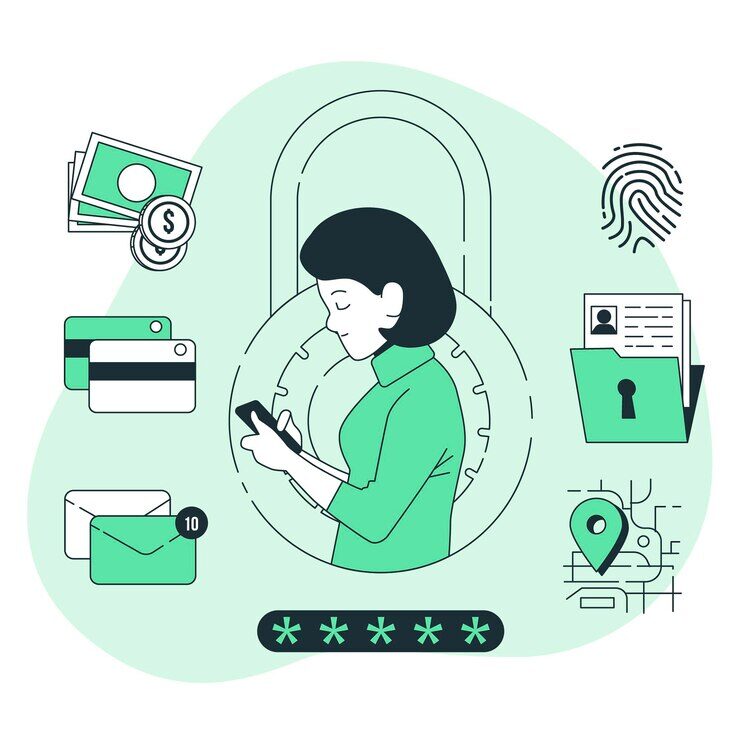
Here, you will understand the specific scenarios and the actions you can take to get a solution faster:
1. Security Freeze: When Your Account is Flagged
Several factors that raise red flags for the platform’s security system can trigger a security freeze. Here’s how to address these concerns and get your account moving again:
- Change Your Password: This seems obvious, but it’s the first line of defense. Create a strong password that’s unique to your cryptocurrency account and avoid using it on any other platform.
- Enable Two-Factor Authentication (2FA): Think of 2FA as an extra layer of security for your account. It requires a second verification step, typically a code sent to your phone or generated by an app, in addition to your password. This makes it much harder for unauthorized users to gain access, even if they have your password.
- Review Login History: Some platforms allow you to review your login history, which can be helpful in identifying any suspicious activity. If you see unrecognized login attempts, be sure to report them to the platform’s support team immediately.
- Contact Support and Explain the Situation: Let the support team know about any recent travel or changes in your login routine that might explain the suspicious activity. This can help them differentiate between legitimate logins and potential hacking attempts.
By taking these proactive steps and communicating with support, you can demonstrate that you’re in control of your account and ensure a smoother unfreezing process.
2. Regulatory Freeze: Hurdling the KYC/AML Compliance Wall
Know Your Customer (KYC) and Anti-Money Laundering (AML) regulations are crucial measures taken by exchanges to combat fraud and ensure transparency. If your account is frozen due to incomplete KYC verification, here’s what you need to do:
- Gather the Required Documents: As mentioned earlier, KYC verification typically requires documents like government-issued ID, proof of address, and sometimes even a selfie with your ID.
- Submit Documents Promptly: Don’t delay! The sooner you submit the necessary documents, the faster the platform can verify your identity and lift the freeze on your account.
- Double-Check for Accuracy: Ensure all the information you provide on the documents matches what’s registered on your account. Any discrepancies can delay the verification process.
Remember, completing KYC verification is a standard procedure for most cryptocurrency exchanges. By providing the required documents efficiently, you can ensure a smooth transition and avoid future freezes.
3. Technical Freeze
Technical freezes, while rare, can happen due to temporary issues with the exchange or blockchain itself. In these cases, there’s not much you can do directly to unfreeze your account. Here’s how to manage this situation:
- Monitor Platform Updates: Monitor the exchange’s official channels, such as their website or social media, for updates on technical issues. They will likely provide information on the estimated resolution time.
- Contact Support (If Possible): While some platforms might disable support features during technical freezes, try contacting them if possible. They might be able to offer additional information or confirm that the freeze is indeed technical in nature.
- Be Patient: Technical issues can be frustrating, but patience is key. The platform will likely prioritize resolving the problem quickly to minimize user disruption.
While you can’t directly influence a technical freeze, staying informed and patient will help you weather the storm until your account is accessible again.
Also Read: Crypto Recovery Companies
A List of Things to Avoid When Your Cryptocurrency Account Freezes
Encountering a frozen cryptocurrency account can be a stressful experience. While thinking of how to unfreeze cryptocurrency, stay calm. Before you hit the panic button, here’s a list of things to avoid that can hinder the unfreezing process:
- Panicking and Making Rash Decisions: Frozen accounts are frustrating, but panicking won’t help. Take a deep breath and approach the situation calmly. Rushing into actions like attempting unauthorized access or transferring funds elsewhere can create further complications.
- Taking Out Your Anger on Customer Support: Understandably, you might feel frustrated or angry. However, venting your anger on customer support representatives won’t get your account unfrozen faster. They’re there to help, so be polite and professional in your communication.
- Ignoring Communication Attempts: If the platform reaches out via email or message regarding the freeze, don’t ignore it! This communication might contain crucial information about the reason for the freeze and the steps you need to take to resolve it.
- Sharing Personal Information Publicly: Avoid venting about your situation on public forums or social media while revealing personal details like your account information. This could not only compromise your security but also potentially damage your reputation.
- Trying to “Hack” Your Way Back In: Don’t attempt to bypass security measures or reset your password repeatedly. This can trigger further security alerts and prolong the freeze.
- Ignoring Security Recommendations: If the freeze is due to security concerns, don’t disregard any recommendations from the platform. This could involve changing your password, enabling 2FA, or verifying your identity.
- Giving Up Easily: While unfreezing might take some time, don’t give up easily. Follow the proper steps, communicate with support, and be patient.
Conclusion
A frozen cryptocurrency account can be a frustrating experience, but there are steps you can take to resolve it.
The first step is understanding the reason for the freeze, be it security concerns, regulation compliance, or technical issues.
Once you know the cause, you can take targeted actions like providing verification documents or waiting for the platform to resolve a glitch.
You can minimize the risk of encountering a freeze by following preventative measures like strong security habits and KYC compliance.
Remember, staying informed and communicating clearly with support can help you navigate this situation and regain control of your cryptocurrency.