



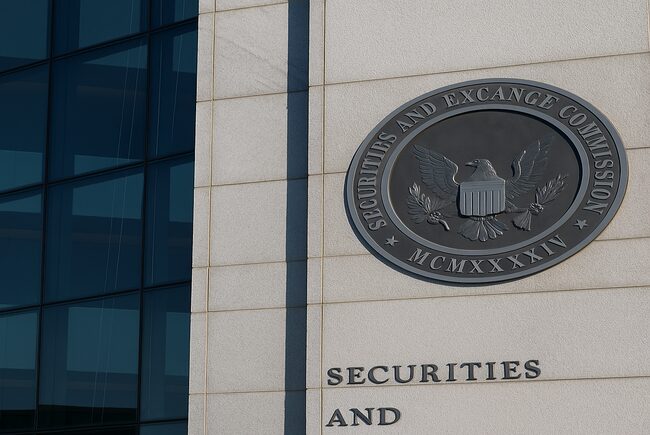
The U.S. Securities and Exchange Commission (SEC) has formally withdrawn a set of high-profile rule proposals introduced under Chair Gary Gensler, including the controversial expanded Custody Rule and Rule 3b-16, which targeted decentralized finance platforms.
The decision appeared in official notices released by the SEC, confirming that the regulatory body will no longer pursue these measures, which drew criticism from across the financial and crypto sectors for their broad scope and potential impact on innovation and compliance burdens.
🚨NEW: The SEC just officially scrapped the expanded Custody Rule proposal and Rule 3b-16, plus other Gensler-era rules.
— Eleanor Terrett (@EleanorTerrett) June 13, 2025
The Custody Rule aimed to cover all client assets including crypto, broadened what counts as “custody,” and raised concerns about whether certain state… https://t.co/MSn1EbhEWN
Custody Rule and DeFi Proposal Rolled Back
The expanded Custody Rule sought to require registered investment advisers to safeguard all client assets, including cryptocurrencies, with qualified custodians. The proposed changes would have significantly broadened the definition of custody and introduced ambiguity over whether certain state-chartered trust companies, often used in crypto, would meet the SEC’s standards as custodians.
Rule 3b-16, another rescinded measure, aimed to redefine the scope of a securities exchange to potentially include decentralized finance (DeFi) platforms. Critics warned the proposal risked applying traditional exchange regulations to a fundamentally different technological and operational structure, stifling innovation in decentralized markets.
Coinbase Chief Legal Officer Paul Grewal responded to the new development on social media, writing, “Down goes 3b16, qualified custodian, and all the other unfinished Gensler rule proposals.”
Additional ESG Disclosure Requirements Also Abandoned
In addition to the crypto-focused rules, the SEC has also pulled back from its proposal to mandate enhanced environmental, social and governance (ESG) disclosures for public companies. The proposed ESG framework was intended to standardize sustainability reporting and give investors greater visibility into climate-related risks and corporate governance practices.
The withdrawal of these proposals follows increasing political and industry pressure, with some lawmakers and market participants arguing the SEC had overstepped its authority and failed to offer sufficient clarity or justification for its expanded regulatory agenda.
Regulatory Outlook Remains Uncertain
While the SEC’s formal cancellation marks a pause in several regulatory initiatives, it does not rule out future rulemaking in these areas. The agency may revise and reintroduce similar measures in the future, depending on changes in leadership or legislative direction.