BVNK 通过 Mastercard Move 推出支持 11 种货币的稳定币银行支付服务
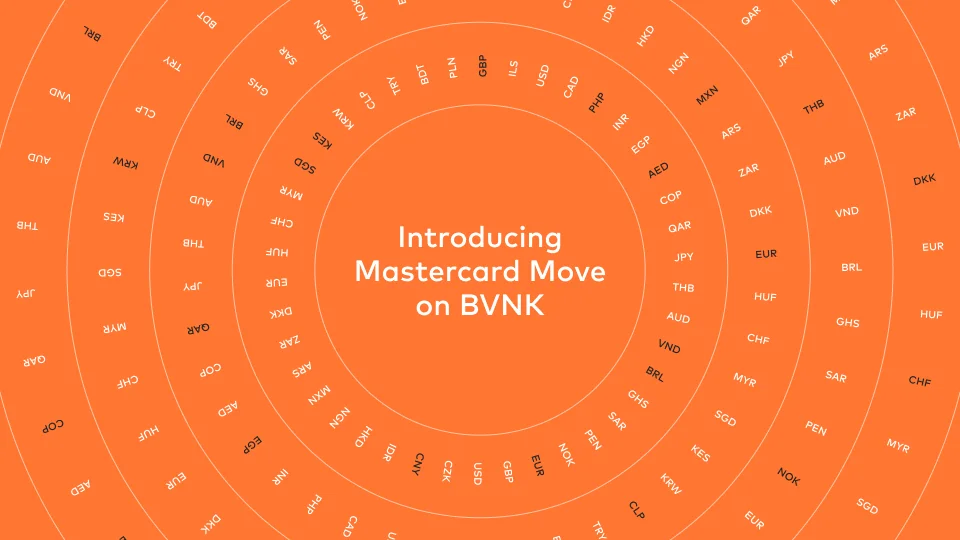
一个市场平台可以用稳定币持有美元,但仍然欠供应商墨西哥比索。 供应商可能没有理由开设加密货币钱包,尤其是在款项是应付工资或库存货款的情况下。 BVNK 的新支付选项允许市场从其稳定币余额中支付款项,而供应商则在银行账户中收到比索。 BVNK 于 11 月 11 日宣布了这项功能,上线时支持 11 种货币的银行支付。 它使用万事达卡移动支付功能向收款人支付当地货币。 对于已经持有稳定币的财务团队来说,这一变化为他们提供了一种新的支付海外供应商和承包商的方式,而无需让他们处理货币转换。 要点总结 付款流程 企业通过 BVNK 的商户门户或 API 发起付款。 BVNK 将资金兑换成当地货币,并通过 Mastercard Move 进行支付。 收款人将收到银行转账,无需接收或兑换稳定币。 这种差异在诸如 Circle 计划以 USDC 向 Move Afrika 供应商付款之类的项目中至关重要。 收到 USDC 的供应商可能仍然需要将其转换为其他格式才能支付员工或供应商款项。 使用 BVNK 的银行付款选项,货币兑换会在资金到达收款人之前完成。 汇款人可以以一种形式持有资金,并以另一种形式向供应商付款。 有哪些货币可供选择? The Paypers 列出了 11 种首发货币,分别为美元、加元、英镑、欧元、墨西哥比索、巴西雷亚尔、阿根廷比索、哥伦比亚比索、智利比索、菲律宾比索和韩元。 向墨西哥供应商或菲律宾承包商付款的市场平台可以查看以比索支付的款项。 如果企业需要交付列表之外的货币,则仍然需要其他途径。 货币列表只是一个起点。 在承诺交货日期之前,请确认您的账户可以发送付款,收款人的账户可以接收付款,并且您拥有所需的银行详细信息。 即使支持该货币,缺少细节也可能导致付款延迟。 财务团队首先应该检查什么?首先要检查实际发票。 如果供应商期望收到 20,000 墨西哥比索,请在付款前确认是否可以指定该确切金额作为付款,并查看总成本。 查看收款人将收到多少款项时,请同时考虑汇率和转账费用。 如果转换后的实际费用低于账单金额,那么即使显示的费用很低也说明不了什么问题。 接下来,查看付款提交后服务提供商显示的内容。 提交付款申请和款项存入受益人银行账户是不同的里程碑。 付款报告应该为您的团队提供足够的信息,以便将交易与原始发票进行匹配,而无需依赖屏幕截图或供应商的消息。 如果付款失败,请确认资金退回到哪里,以及重试时是否适用新的汇率。 结论:BVNK 和 Mastercard Move 为企业提供了一种使用 11 种首发货币的稳定币为银行付款提供资金的方式。 在切换定期付款方式之前,请先尝试使用支持的付款方式支付一张发票。 检查供应商收到的货物、到货时间,以及您的财务团队是否可以从付款记录中结清该发票。
Anchorage Digital 和 Lydian 合作推出面向商家的稳定币结账服务

Anchorage Digital has partnered with Lydian to support stablecoin payments at online and in-store checkouts. Anchorage Digital Bank will provide infrastructure for creating, redeeming and holding stablecoins behind Lydian’s merchant payment platform. The arrangement is designed to let a customer pay with a supported digital asset while the merchant receives its payout in local currency. The partnership gives businesses another example of how stablecoin checkout can work without requiring a shop to hold a stablecoin balance. The details that determine its value to merchants, including where it is available, what it costs and how quickly funds arrive, still need to be checked at the provider level. Key Takeaways What Each Company Does In its partnership announcement, Anchorage Digital describes the bank’s role as providing the infrastructure behind Lydian’s merchant acceptance service. Minting creates stablecoin units, redemption converts eligible units back into the value they represent, and custody covers the safekeeping of assets. These are distinct from the checkout tools a shopper or merchant interacts with. Lydian handles the payment side that a business integrates. A shopper can use a supported digital asset to pay an invoice or make a purchase, while the merchant can receive a payout in local currency. The Paypers’ November 13 coverage also describes the partnership in terms of merchant acceptance and local-currency settlement. A Stablecoin Payment and a Merchant Payout Are Separate Steps A successful blockchain transfer can show that the customer sent payment while leaving another step to complete: getting the proceeds into the merchant’s account. The provider may still need to convert the balance, apply fees and initiate a local payout. UPay’s guide to USDC payment gateways explains how payment confirmation and merchant settlement fit into the same transaction. Consider a retailer that prices an item in local currency and accepts a dollar stablecoin at checkout. The retailer needs to know which exchange rate determines the amount charged, when that rate is fixed, and how much it will receive after any fees. If it later needs to refund the customer, it also needs to know which currency or asset the refund uses and how the provider calculates the amount. This is a different use case from UPay’s coverage of Visa adding Western Union’s USDPT, which concerned settlement between eligible institutions. Here, the checkout option affects the customer directly, and the local-currency payout affects the merchant’s cash flow. What Merchants Should Check Before Using It A business assessing the service should confirm that it can onboard in its market, receive the currency it needs and use the relevant checkout integration. It should also ask how the provider handles late or partial payments, what information appears in payout reports and how staff can match a payout to the orders it covers. Timing matters especially for businesses that use receipts to pay suppliers or staff. A payment that clears promptly on a blockchain may still reach the merchant after a bank cutoff or on a separate payout schedule. UPay’s remittance overview illustrates the same distinction from the recipient’s side: money arriving in a digital wallet and money being usable through a local service are different milestones. Conclusion The Anchorage–Lydian partnership is designed to let customers pay with digital assets while merchants settle in local currency. The useful test for a business is what it actually receives after fees, how long the payout takes, and whether its team can reconcile payments and handle refunds in its own market.