


Most debit cards charge you for the privilege of spending your own money. Annual fees, maintenance charges, inactivity penalties built into the fine print before you’ve swiped once.
The USDT debit cards with no annual fee flips that logic. Your Tether balance, your spending, and zero upfront cost to access either. The real fees, when they exist, live in the conversion spread and that’s exactly what this guide helps you find before you sign up.
First things first,
What Is a USDT Debit Card?
A USDT debit card links your Tether (USDT) holdings to a physical or virtual payment card that operates on the Visa or Mastercard network.
Instead of moving funds through a bank account, you fund the card with USDT and use it for everyday purchases.
When you make a payment, the card automatically converts the required amount of USDT into the local currency in real time and completes the transaction through the card network, just like a traditional debit card.
From the merchant’s perspective, it appears as a standard card payment, while you pay directly from your crypto balance without withdrawing funds, manually converting assets, or transferring money through an exchange.
Read also: Top DeFi Protocols by Category: Banking Without the Bank.
Why the Annual Fee Matters More Than You Think
A $100 annual fee may seem insignificant at first, but for a card primarily used to convert stablecoins into fiat, that cost directly reduces the savings and efficiency that attracted many users to crypto in the first place.
In response to growing competition, many traditional crypto cards have eliminated annual fees altogether and now compete through better cashback rewards, higher ATM withdrawal limits, and lower conversion charges. That said, a card without an annual fee is not automatically the most cost-effective option.
To accurately evaluate value, pay close attention to conversion fees. Some providers charge between 0.9% and 2.49% each time they convert USDT into fiat at checkout.
While those percentages may appear minimal, the costs accumulate quickly. For example, a $500 transaction with a 1% conversion fee results in a $5 charge. Over months of routine spending, those repeated costs can significantly impact your overall savings.
Best USDT Debit Cards With No Annual Fee
1.UPay Card
Source: upay.com/card
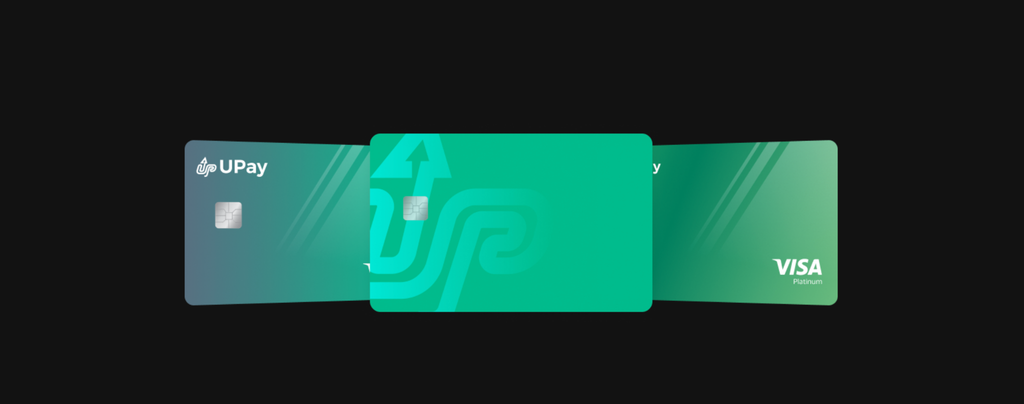
The UPay card is a widely used USDT-first spending solution, accepted at over 55 million merchants in 180+ countries via Visa and Mastercard. It charges no annual fee and converts crypto to fiat at the point of payment, with multiple card tiers available.
| Feature | Details |
| Network | Visa / Mastercard |
| Annual Fee | $0 |
| Staking Required | No |
| Transaction Fee | 1–2% (drops to 0% on premium tiers) |
| Foreign Exchange Fee | 0–2% |
| ATM Withdrawal Fee | 0% on eligible tiers |
| Mobile Wallets | Apple Pay, Google Pay |
| Security | 2FA, instant card freeze, zero-liability protection |
| Support | 24/7 multilingual |
| Best For | Global spending with low cross-border costs |
2. Bybit Debit Card
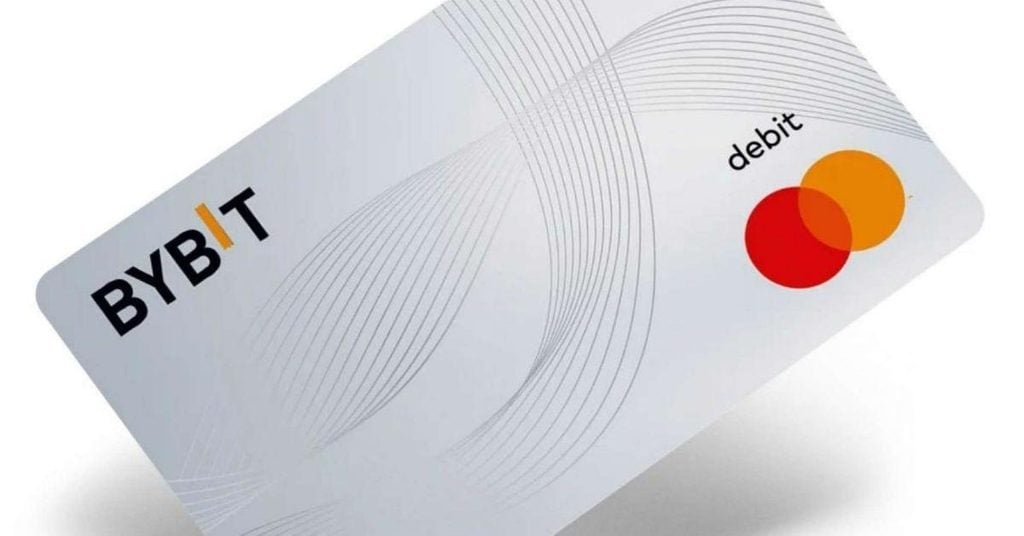
The Bybit Mastercard has over 3 million active users and works at more than 100 million merchants. It supports eight cryptocurrencies including USDT, USDC, BTC, ETH, XRP, and TON, converting automatically at checkout. VIP members get full rebates on Netflix, Spotify, Amazon Prime, and ChatGPT.
Source: Pinterest.com
| Feature | Details |
| Network | Mastercard |
| Annual Fee | $0 |
| Virtual Card Issuance Fee | $0 |
| Staking Required | No |
| Conversion Fee | 0.9% |
| Foreign Exchange Fee | 0.5% |
| ATM Withdrawal | Free up to €100/month, then 2% |
| Cashback | 2–10% (paid in BTC, USDT, USDC, or AVAX) |
| Auto-Earn on Idle Funds | Up to 8% APR |
| Supported Regions | Multiple (excludes U.S. and some markets) |
| Best For | Bybit exchange users, cashback seekers |
3. Coinbase Card
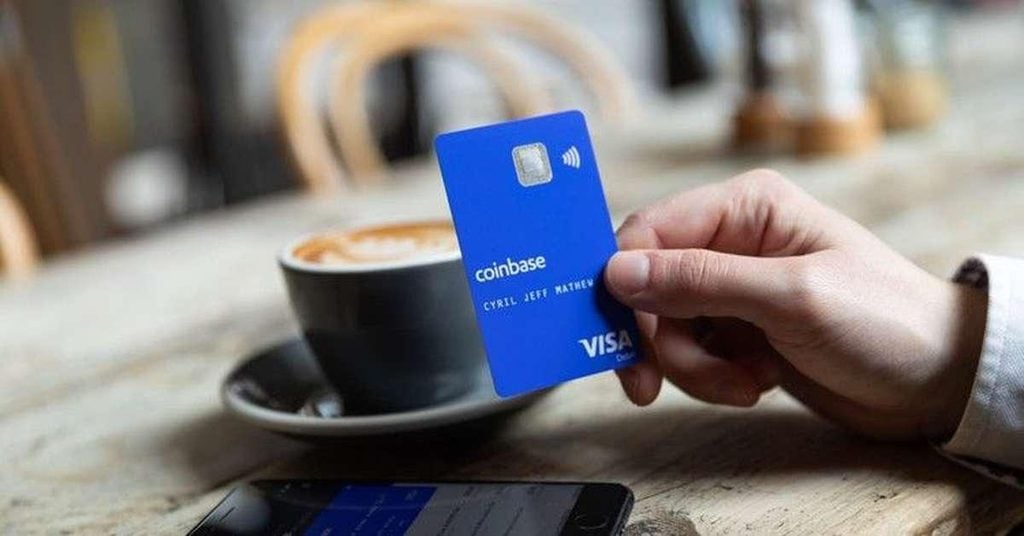
The Coinbase Card is a Visa debit card that draws directly from your Coinbase balance, supports BTC, ETH, USDT, USDC, and more, and works with Apple Pay and Google Pay at over 40 million merchants. Virtual cards are available instantly; physical cards take two to three weeks.
Source: Pinterest.com
| Feature | Details |
| Network | Visa |
| Annual Fee | $0 |
| Staking Required | No |
| Conversion Fee | Variable spread (avoid with USDC to minimize costs) |
| Foreign Exchange Fee | Variable |
| Cashback (Standard) | 1–2% depending on asset |
| Cashback (Coinbase One) | Up to 4% in rotating crypto rewards |
| Mobile Wallets | Apple Pay, Google Pay |
| Supported Regions | U.S. and select EEA regions |
| Best For | U.S.-based users, first-time crypto card holders |
4. Nexo Card
Source: Pinterest.com
| Feature | Details |
| Network | Mastercard |
| Annual Fee | $0 |
| Monthly Fee | $0 |
| Inactivity Fee | $0 |
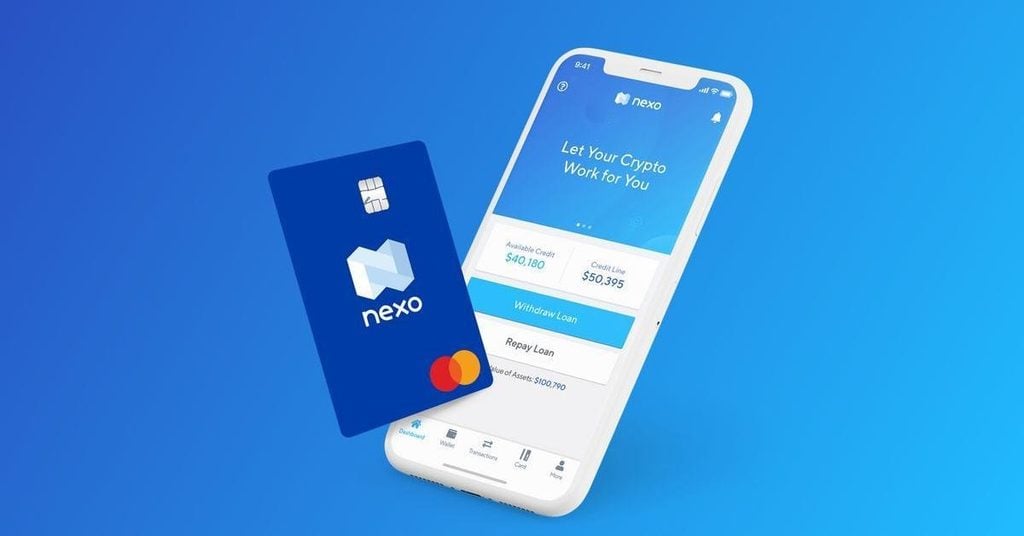
| Staking Required | Optional (for higher loyalty tiers) |
| Conversion Fee | 0% in credit mode |
| Foreign Exchange Fee | 0–2% (higher on weekends) |
| Cashback | Up to 2% (credit mode only, requires $5,000+ portfolio) |
| Interest on Balance | Up to 13% APR (debit mode) |
| Mobile App | Full card management and security controls |
| Best For | Crypto holders who want to spend without selling |
Read Also: Best Crypto Cards With Apple Pay and Google Pay Support
5. Wirex Visa Card
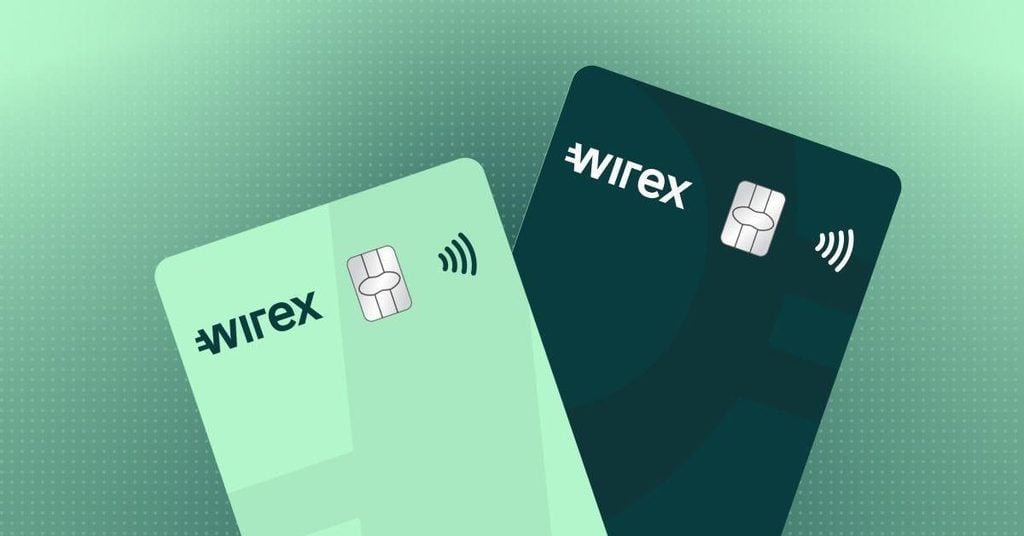
Wirex is a prepaid Visa card and direct Visa principal member that supports over 40 currencies — fiat and crypto including USDT across 80 million+ merchants. No monthly or annual fees. Competitive cashback through its Cryptoback rewards program paid in WXT (Wirex Token).
Source: wirexapp.com
| Feature | Details |
| Network | Visa |
| Annual Fee | $0 |
| Monthly Fee | $0 |
| Staking Required | Optional (for higher reward tiers) |
| Conversion Fee | 1% |
| Foreign Exchange Fee | 0% |
| ATM Withdrawal | Free up to £200/month, then 2% |
| Cashback (Standard) | 0.5% in WXT |
| Cashback (Premium/Elite) | Up to 8% in WXT |
| Mobile Wallets | Apple Pay, Google Pay |
| X-Accounts | Earn interest on idle crypto balances |
| Supported Regions | EEA, UK, APAC |
| Best For | Multi-currency spenders, frequent travelers |
6. Crypto.com Visa Card
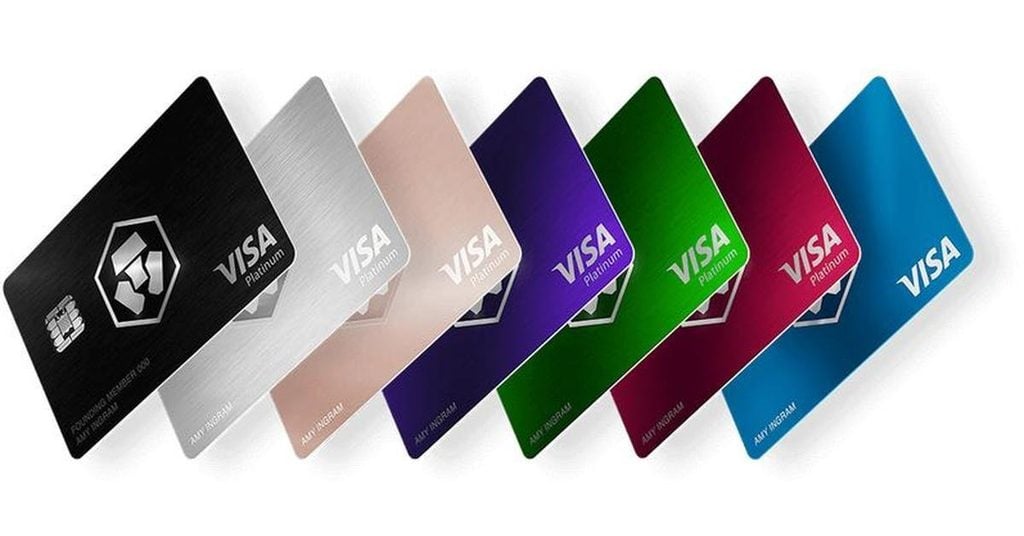
The Crypto.com Visa card has no annual fee on its base tier and no foreign exchange fees on international transactions. Supports 100+ cryptocurrencies.
Works for in-store, online, and international payments via Apple Pay and Google Pay. ATM withdrawals capped at €10,000/month.
Source: Pinterest.com
| Feature | Details |
| Network | Visa |
| Annual Fee | $0 (base tier) |
| Staking Required | Optional (required for higher tiers and rewards) |
| Conversion Fee | Variable spread |
| Foreign Exchange Fee | 0–2% |
| ATM Withdrawal | Up to €10,000/month |
| Top-Up Limit | €25,000/month |
| Cashback | 2–5% in CRO |
| Streaming Rebates | Spotify, Netflix (higher tiers) |
| Airport Lounge Access | Higher tiers only |
| Mobile Wallets | Apple Pay, Google Pay |
| Best For | Users already in the Crypto.com ecosystem |
What to Look for When Choosing a USDT Debit Card
Here are the necessary factors to pay attention to when choosing a USDT debit card:
Conversion Fees
Most USDT debit cards automatically convert your stablecoins into local currency at the point of purchase. While this process is convenient, some providers often charge a fee for the conversion.
Always review the fee schedule before signing up and pay attention to hidden charges that may apply to international transactions or currency exchanges.
ATM Withdrawal Access and Limits
Many providers advertise ATM support, but withdrawal policies vary widely. Some cards include a monthly allowance for free withdrawals and begin charging fees after you exceed the limit.
Others may impose restrictions or suspend ATM functionality once you hit a certain threshold.
Geographic Availability
Not every provider operates globally, and supported regions can change over time due to regulatory requirements.
Before beginning the application process, confirm that the card is available in your country and supports spending where you live or travel.
KYC and Verification Process
Every card on this list requires identity verification. You will need a government-issued ID and, in some cases, proof of address. This is standard and protects your account.
Custodial and Non-Custodial Options
Your choice of card also determines how much control you retain over your assets. Some cards hold your USDT for you (custodial).
Others let you maintain full control of your funds (non-custodial). If you care about self-custody, check before you sign up.
Tax Implications
In the United States, every crypto transaction, including spending USDT, may be treated as a taxable event. This means gains or losses can potentially trigger reporting requirements.
Because USDT is designed to maintain a value close to the US dollar, taxable gains or losses at checkout are typically minimal.
However, the reporting obligation may still apply. To stay compliant, it’s advisable to have good recordkeeping; it makes tax reporting significantly easier and reduces surprises later.
Choose Based on Long-Term Usability
The best USDT debit card is not necessarily the one with the biggest rewards program or the eye-catching design.
Focus on practical factors such as fees, ATM access, supported regions, security requirements, fund custody, and tax considerations.
A card that aligns with your spending habits and gives you transparency over costs will deliver more value over time.
How to Choose the Right Card for Your Needs: A Decision Framework
| Category | Key Factor | Details |
| Satisfaction Drivers | Smooth UI/UX | Instant funding from mobile apps without complex steps. |
| Instant Virtual Issuance | Immediate online spending without waiting for a physical card. | |
| Direct Spending | Automated crypto-to-fiat conversion with minimal clicks. | |
| Common Grievances | Limited Support | Slow email ticketing or automated bots during urgent transactions. |
| Regional Instability | Sudden service suspensions caused by shifting local regulations (e.g., EEA, UK). | |
| Recommendations | Fee Transparency | Check actual conversion spreads rather than relying on “zero annual fee” marketing. |
| Live Support | Confirm 24/7 live customer support availability before committing. |
Read Also: How Many Crypto Wallets Do You Actually Need?
Conclusion
The best USDT debit card with no annual fee isn’t the one with the loudest cashback headline. It’s the one whose fee structure survives a close read.
Conversion spreads, FX charges, ATM limits, staking requirements, these are where the actual cost lives. Find the card whose real costs match how you actually spend, and your USDT balance starts working for you every time you tap, that’s the whole point.