La OJK de Indonesia reafirma la responsabilidad de los proveedores de criptomonedas por la pérdida de activos de los clientes.

Indonesia’s Financial Services Authority, OJK, has reaffirmed that crypto businesses must protect customer assets and take responsibility when assets held in their custody go missing. The reminder puts customer protection back in focus as the industry responds to the Binance cybersecurity incident. Speaking on November 5, OJK official Adi Budiarso pointed to existing custody obligations rather than announcing a new compensation programme. For users, the distinction matters: responsibility for lost assets does not mean every claim produces an immediate, automatic payout. Key Takeaways What OJK Said About Lost Assets According to ANTARA’s report, Budiarso cited Article 91 of POJK 27/2024, amended by POJK 23/2025. The obligation concerns businesses holding customers’ digital assets; “traders” in this context means providers, rather than individual retail investors. Providers may directly hold up to 30% of customer assets, with the remainder placed with a storage manager or custodian. At least 70% of the portion directly held must be in cold storage, while no more than 30% may be online. Those percentages apply to different layers of custody. They should not be read as saying that 70% of all customer assets must sit in a provider’s own cold wallets. UPay’s guide to cold and hot storage explains the underlying distinction between offline and internet-connected wallets. Why the Binance Incident Matters CNBC Indonesia reported that OJK viewed the Binance incident as a reminder to strengthen technology governance, access controls, staff competence and internal oversight. The regulator called for adequate risk management and cyber resilience across Indonesia’s licensed digital-asset businesses, including exchanges, clearing institutions and custodians. OJK also urged the public to remain calm and use authorised providers. Its response focuses on strengthening the domestic industry’s safeguards; it should not be interpreted as a finding that every Indonesian platform suffered the same incident. The wider lesson is operational. A platform’s size alone cannot tell customers how permissions are controlled, how assets are stored or how quickly withdrawals can resume after an incident. Our Binance withdrawal update covers the separate service-access story. What Customers Should Check Start with the company providing the service. OJK publishes licensing information on its official digital-asset licensing page. Match the legal entity and service to the regulator’s information instead of relying on a familiar brand name or a screenshot shared in a chat group. Next, understand who controls the assets. A platform balance and a wallet you control create different dependencies. UPay’s explanation of crypto exchanges and wallets helps clarify that difference before you choose where to keep funds. If an incident affects your account, preserve transaction references, account statements and support correspondence. These records can help you describe the problem accurately when contacting the provider. Follow verified announcements for withdrawal availability and complaint procedures rather than treating social-media promises as official instructions. For people using crypto to fund a payment or transfer, access matters alongside the displayed balance. A planned transaction can be delayed even when an account still shows funds. Check the relevant token and network before depending on a withdrawal, and separate a service interruption from a confirmed loss of assets. These are different problems and may require different explanations from the provider. Finally, distinguish missing assets from a fall in market value. OJK’s statement addresses custody losses. It should not be presented as a promise to reverse investment losses or guarantee token prices. Any proposed settlement still needs to be assessed against the circumstances of the case. Conclusion OJK’s reminder makes custody accountability central to Indonesia’s response to crypto security risks. For customers, the practical priorities are clear: verify the provider, understand where assets are held and keep reliable records. The responsibility exists, but the outcome of a particular loss claim depends on examination and the applicable provisions.
Tether afirma haber congelado más de 1.5 millones de dólares vinculados al hackeo de Binance.
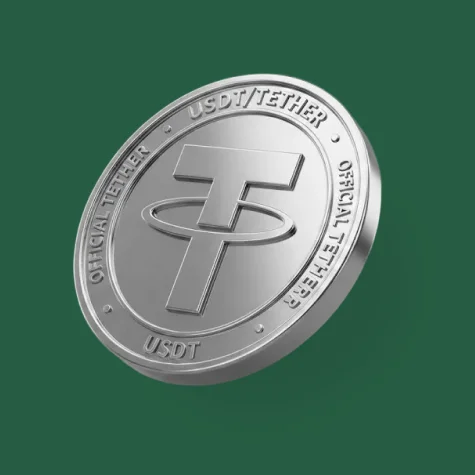
Tether afirma haber congelado más de 1.5 millones de dólares en USDT en los 30 minutos posteriores al ataque a Binance del 29 de octubre, impidiendo que los atacantes movieran o intercambiaran los tokens objetivo. The stablecoin issuer disclosed the response on November 2 as Binance continued addressing the breach. For customers awaiting access to their money, the announcement marks a containment step rather than confirmation that the stolen assets have been returned. Esa distinción es importante para cualquiera que dependa de las stablecoins custodiadas por exchanges para realizar pagos: detener el robo de fondos, reemplazar los saldos afectados y reanudar los retiros son partes separadas de la respuesta. Key Takeaways What Tether Announced In its November 2 statement, Tether said the speed of its response stopped the identified funds before they could be transferred, swapped or laundered. The company linked its intervention to the wider investigation into the Binance theft, which the FBI attributed to North Korea. The timing and amount of Tether’s freeze are company-reported figures. The announcement concerns USDT that Tether could restrict. It should not be read as a claim that the issuer controls every cryptocurrency taken in the attack or can reverse all blockchain transfers. Frozen Funds Are Not Yet Recovered Funds A freeze prevents the affected tokens from moving under the restriction. Recovery requires further steps to establish how assets can be returned or reissued to the appropriate recipient. Tether’s announcement separately discussed its broader history of returning funds through reissuance. It did not establish that the entire Binance-linked amount had already completed that process. This is why headlines about blocked assets need careful reading. A frozen balance may remain part of an investigation, while an exchange still needs resources to meet its obligations to customers. UPay’s coverage of the USDT freeze following the WazirX hack provides another example of asset restrictions forming one stage of a longer response. Binance’s Replacement Commitment Is Separate Binance has said it will absorb the financial impact of the theft using company resources. Its November 4 update reported that approximately 98% of impacted assets had been replenished, with less-liquid tokens taking longer to acquire. Those replacement purchases are different from recovering the original stolen tokens. They are intended to restore the assets backing customer obligations without requiring every recovery effort to finish first. As UPay’s Binance withdrawal update explains, token backing and transfer availability also need separate checks. A replenishment percentage does not confirm that every asset and network is open for withdrawals. What This Means for Stablecoin Payments Stablecoins can move between wallets, but issuer controls can still affect their transferability. Tether’s published terms describe circumstances involving legal directions, investigations and suspected unlawful activity in which restrictions may apply. Holding a token in an external wallet therefore does not remove every dependency on its issuer. Custody arrangements and token-level controls address different parts of a payment’s operation. For businesses arranging cross-border remittances, this means checking the token, payment route and provider’s current service status. A stable reference price alone does not guarantee that a particular transfer can be completed immediately. Customers awaiting withdrawals should use official account information and support channels. A recovery announcement does not justify sending money to someone offering priority access or a shortcut around restrictions. For a payment due today, the relevant evidence is whether the selected withdrawal route works now. For the broader recovery, the evidence is whether restricted assets have been returned and replacement purchases completed. Keeping those questions separate avoids treating progress in an investigation as a promise that every customer can already move every balance. Conclusion Tether’s reported intervention kept a substantial amount of Binance-linked USDT from moving further. The next questions concern recovery procedures, completion of replacement purchases and confirmed access to withdrawals. Customers should assess those milestones individually before relying on funds for a payment deadline.
Binance advierte sobre ofertas de compensación falsas mientras los estafadores atacan a los usuarios tras el hackeo.

Los estafadores están aprovechando la interrupción de los retiros en Binance para anunciar compensaciones falsas y asistencia pagada, lo que supone un riesgo adicional para los clientes tras la brecha de seguridad sufrida por la plataforma el 29 de octubre. Reports published on November 2 described manipulated screenshots promising $150 rewards. Binance also warned that impersonators could approach users with offers to accelerate withdrawals, claim compensation or move assets into supposed protected wallets. The message for customers is straightforward: a convincing screenshot or familiar company name does not establish that an offer comes from the exchange. Any action involving funds should begin through independently verified channels. Key Takeaways A Compensation Claim Is Not a Recovery Update The fake offers emerged as Binance restored withdrawals in phases. Share Talk’s November 2 reporting described altered screenshots claiming compensation for the temporary suspension. That claim should be distinguished from Binance’s commitment to replace assets affected by the breach. A platform buying replacement tokens and a customer receiving an unsolicited reward offer are different matters. UPay’s Binance withdrawal update explains the distinction between asset replenishment and live access to transfers. Neither milestone authenticates a separate claim link circulating on social media. For someone waiting to pay a supplier or send money, the promise of immediate access can be persuasive. That urgency is precisely why a payment decision should rely on the account’s actual status rather than an outside message. Scammers Offer to Bypass Withdrawal Restrictions In its November 2 security reminder, Binance described approaches through private messages, emails, group chats and small transfers carrying attached messages. The exchange said it would not sell withdrawal priority, charge to unlock an asset or network, or ask users to transfer money to a vault or safe account. It also warned against requests for passwords, authentication codes or recovery phrases. Customers should not treat a payment demand as a normal step in resolving a platform restriction. An individual contacting them cannot establish withdrawal availability merely by claiming to work for support. The same impersonation pattern appears in other common crypto scams: borrow a trusted identity, introduce a problem or reward, then request money or sensitive information. Verify the Source Before Taking Action Binance directed users to check pending withdrawals inside its app and use its official verification service to check questionable accounts or websites. Open the app or an independently saved official address yourself. Following a link supplied by the person making the offer leaves that person in control of where the verification happens. Copied logos, matching colours and professional language are not sufficient checks. Binance’s established giveaway-scam guide describes lookalike profiles and websites that demand fees or personal information before releasing a promised prize. Read the requested action as carefully as the message. A compensation offer that turns into a wallet authorisation or transfer request introduces a new risk, regardless of how reassuring the surrounding wording appears. What to Do After a Suspicious Approach Stop the conversation and contact support through the official app. Retain the sender’s details, screenshots and any transaction identifiers so the incident can be described accurately. If credentials were disclosed, secure the affected account promptly. If assets were transferred, report the incident to the platform and relevant authorities. Do not assume a second person offering paid recovery can reverse the transaction. UPay’s guidance on handling frozen cryptocurrency also stresses the importance of resolving restrictions through legitimate channels. A useful record distinguishes what was promised, what information was shared and whether any transfer actually occurred. Those details help support teams assess the report without relying on a scammer’s explanation. Conclusion The fake Binance offers show how a major breach can lead to further fraud attempts against worried customers. Verify recovery announcements independently, check transfers through the official account and reject anyone selling a shortcut to compensation or withdrawals.
Binance y Deribit revocan las claves API de SignalPlus tras un incidente de seguridad.
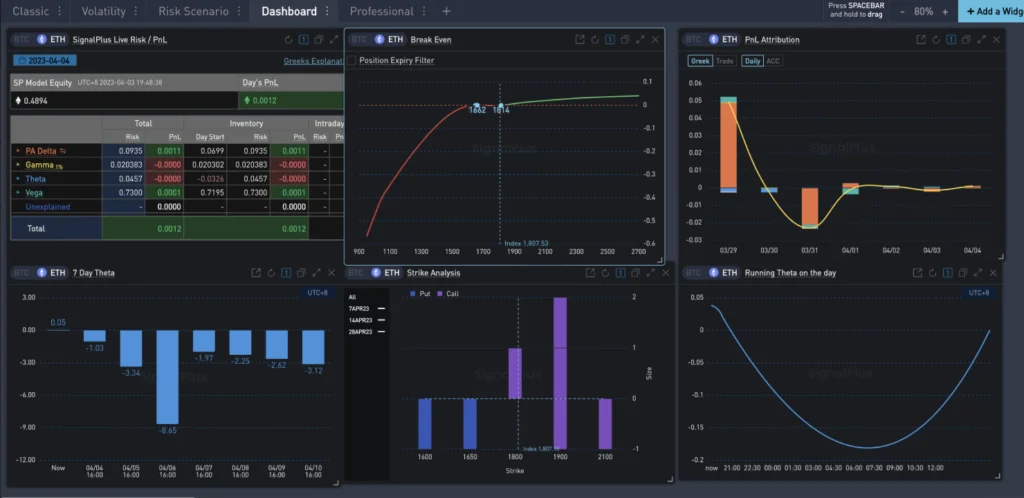
Los usuarios que gestionan cuentas de intercambio a través de SignalPlus se enfrentan a interrupciones en sus operaciones y en la monitorización de datos después de que Binance y Deribit revocaran las claves API conectadas a la plataforma el 5 de noviembre. The exchanges acted after SignalPlus reported a security incident. Both said their own systems were unaffected, while SignalPlus subsequently disclosed losses below $82,000 and promised to reimburse affected customers. For users, the immediate task is to review accounts directly through their exchange. A disabled third-party connection can stop automation without closing the positions or orders it previously managed. Key Takeaways Exchanges Cut Off Third-Party Connections Binance said customer funds remained safe and advised users to inspect their positions and open orders through its official platform. Deribit said its investigation found no indication that its systems or data had been affected. The revocations concern access granted to SignalPlus, which provides tools for options and derivatives trading. Deribit warned that trading, monitoring and automation through the service had stopped working. This is different from a general exchange withdrawal suspension. Customers can still manage their accounts through the exchanges’ own interfaces, according to the statements. Understanding the difference between exchanges and wallets helps separate where assets sit from the software used to interact with them. SignalPlus Describes a Fake Meeting Invitation According to its November 5 statement, reported by crypto.news, an attacker used a compromised vendor contact’s Telegram account to approach a SignalPlus engineer. The attacker sent a fraudulent Microsoft Teams invitation that compromised the engineer’s computer. SignalPlus said suspicious internal-network activity began early on November 4. The company reported losses below $82,000, said reimbursement had begun case by case, and placed services into maintenance mode. These figures and the attack explanation remain the company’s account of an ongoing investigation. SignalPlus también reconoció que no había exigido la inclusión de direcciones IP en una lista blanca para el acceso a la API de la plataforma de intercambio y afirmó que reforzaría sus controles. Why API Permissions Matter An API key lets software perform authorised tasks on an account. Its permissions determine the scope: reading balances, placing trades and initiating withdrawals are distinct capabilities. Binance’s API wallet guidance explains these permission categories and the role of IP restrictions. An allowlist limits the internet addresses from which a credential can be used. A read-only dashboard does not need authority to trade. Similarly, a tool that submits orders does not necessarily need withdrawal permission. Restricting access to the required functions reduces the actions an exposed credential can authorise. For businesses integrating cryptocurrency payments, the broader lesson is to document which external services can read account information or initiate transactions. That inventory makes revocation more manageable when a provider reports an incident. What Connected Users Should Review Customers should follow Binance’s instruction to inspect positions and open orders directly. A stopped dashboard can otherwise leave users without the monitoring they normally rely on. They should also review SignalPlus connections on any other exchanges they use. Binance founder Changpeng Zhao separately urged users to revoke those credentials. Before reconnecting, confirm the provider’s official recovery instructions and review permissions again. Account passwords and two-factor authentication remain important, but they do not replace controls over separately authorised API credentials. Different wallet and custody arrangements carry different responsibilities. Users should distinguish exchange-account access, third-party integrations and control of wallet keys when assessing exposure. Revocation is also a containment measure, not a finding that every connected account suffered a loss. Users should compare their exchange records with their own expected activity, retain any relevant transaction details and report discrepancies through verified support channels. Recreating the same connection before the investigation is resolved would undermine the purpose of disabling it. Conclusion The SignalPlus incident shows how a third-party security problem can interrupt account management even when an exchange reports no compromise. Users should verify their positions directly, review connected credentials and wait for confirmed recovery guidance before restoring automated access.
Mercado Bitcoin planea reabrir el acceso a las cuentas el 9 de noviembre tras el hackeo; los retiros aún están pendientes de reapertura.

Los clientes de Mercado Bitcoin recuperarán inicialmente la posibilidad de consultar sus tenencias en lugar de mover su dinero cuando la plataforma brasileña inicie su reapertura prevista para el 9 de noviembre. The exchange suspended services after a November 2 security breach. It has pledged to replace affected assets using company funds, while withdrawals, transfers and trading await further security checks. Key Takeaways Account Visibility Returns Before Transfers In a statement reported by Cointelegraph on November 4, Mercado Bitcoin said customers would be able to view balances, statements, holdings and investments through its website. Transactional services will return in subsequent phases following independent security testing. The announcement did not provide a date for those functions. For customers using exchange balances to pay invoices or send money, that distinction matters. Seeing a balance does not establish that the funds can reach a recipient. The difference between an exchange and a wallet helps explain this dependency: a custodial platform controls the process for moving assets out. Loss Estimates Have Changed CoinDesk reported on November 5 that Bitquery traced approximately $48.6 million taken across ten blockchains, above early estimates near $40 million. The researcher also identified transfers from customer deposit addresses after the exchange’s initial containment statement. Those transaction findings do not, by themselves, establish the technical cause of the breach. Mercado Bitcoin said more than $15 million had been frozen with industry assistance. Blocking an attacker’s ability to move tokens does not automatically return those tokens to the exchange. Replacement Pledge and Payment Access Remain Separate The exchange said it would use its own resources to replenish affected assets. That commitment is separate from confirmation that all replacement purchases or customer withdrawals have been completed. Businesses arranging cross-border remittances should confirm an operational transfer route before committing to a payment deadline. Understanding the responsibilities attached to different types of cryptocurrency wallets also helps users assess access and custody risks. Why the Reopening Requires Separate Checks Mercado Bitcoin has described its platform as an integrated system connecting custody, deposits, trading and balance management. According to its update reported by Crowdfund Insider, individual environments and transaction pathways must pass separate validation before they return. That sequence helps explain why account information can become available ahead of withdrawals. Displaying a recorded holding and signing a new blockchain transaction are different operations. Restoring the first does not demonstrate that every system needed for the second has passed testing. For customers, the most useful announcements will identify the functions actually enabled, any asset or network restrictions and the instructions for making a valid transfer. A general reopening announcement should not be read as confirmation that every service has returned. What Customers Can Check When Access Returns The planned website access will let customers review statements alongside their balances. Keeping a copy of those records can help them identify discrepancies and describe an issue accurately when contacting official support. Before sending a payment, customers should check the selected cryptocurrency, supported network and current service status. They should also confirm the destination address through their account rather than rely on instructions received in an unsolicited message. The breach’s final financial impact remains unsettled. Estimates can differ because investigators identify additional transfers, value tokens at different times or count frozen assets differently. Those figures should therefore remain attributed to the organisation reporting them. The exchange’s repayment promise is also an ongoing commitment. Customers still need operational updates showing when replacement assets are available and when they can withdraw them. Conclusion November 9 is a planned transparency milestone for Mercado Bitcoin customers. The next practical milestones are independently tested transaction services, confirmed withdrawal availability and evidence that the exchange has fulfilled its asset-replacement commitment.
El Banco Central de Nigeria (CBN) establece un requisito de capital de 15 mil millones de nairas para los emisores de stablecoins en moneda extranjera.

Nigeria’s Central Bank has introduced new rules for stablecoins and related payment services, setting a ₦15 billion minimum paid-up capital requirement for foreign-currency stablecoin issuers. The regulations took effect on November 5, 2026. They cover licensing, reserves, redemption and customer protection, with implications for businesses using digital assets for payments and remittances. Key Takeaways Separate Capital and Reserve Requirements According to Punch’s reporting on the regulations, providers of other non-security virtual asset services must maintain at least ₦1 billion in paid-up capital. Capital must remain separate from customer funds and reserves backing issued tokens. Issuers cannot count the same money toward these different obligations. The framework also requires reserve backing and provides for standard redemption at face value by the next business day after a valid request. These protections address a practical concern for users: how reliably a token can be converted into the money it references. Foreign-Currency Tokens Face Payment Restrictions The CBN’s published rulebook distinguishes naira-referenced stablecoins from those referencing foreign currencies. A Class 2 token’s approval does not authorise its use to price or discharge a domestic naira obligation unless applicable law expressly permits it. Foreign-exchange requirements still apply. For businesses arranging cross-border remittances, this means checking the authorised payment route as well as the token. International transfers and domestic settlement can raise different regulatory questions. Payment Providers Need the Right Permissions The rules cover activities including wallets, custody, transfers, payment gateways and settlement. Securities-related assets remain within the SEC’s mandate, and overlapping activities may require approvals from both authorities. Businesses integrating cryptocurrency payments should check their provider’s permissions for the actual service being offered. The same review applies to custodial and non-custodial wallet arrangements: the product label alone does not establish its regulatory status. Conclusion Nigeria’s new framework ties stablecoin payment services to specific licensing and customer-protection obligations. For users and businesses, the immediate task is to check the issuer, redemption terms and permitted payment route before relying on a token for settlement.
Binance amplía los retiros tras el hackeo de 6.3 millones de dólares y afirma que el 98% de los activos se han repuesto.
Binance customers are regaining access to more cryptocurrencies following the exchange’s October 29 security breach. A November 6 notice announced another round of phased withdrawal reopenings, although availability still depends on the asset and blockchain network. The exchange also said on November 4 that it had replenished approximately 98% of the affected assets. For customers using crypto to make payments or transfer money, replacement of assets and access to withdrawals remain separate milestones. Key Takeaways More Withdrawals Return, but Access Remains Uneven Binance’s November 6 recovery notice scheduled further withdrawal services to reopen from 04:00 UTC across several networks. The company said listed assets would become available progressively as security and readiness checks were completed. Deposits remained open. Customers should therefore check the live withdrawal screen for their chosen asset and network. Inclusion in an announcement does not establish that every listed transfer route is already available. This distinction affects anyone relying on an exchange balance for a time-sensitive payment. A visible account balance does not necessarily mean the funds can immediately reach an external wallet or recipient. Understanding the difference between crypto exchanges and wallets helps explain that dependency: exchange-held funds remain subject to the platform’s withdrawal operations. Replenished Assets Are Different From Recovered Funds In its November 4 update, Binance said it had set aside more than enough company resources to absorb the loss and had replenished approximately 98% of the impacted amount. It attributed the remaining purchases to less-liquid tokens that take longer to source. That statement concerns replacement assets purchased by Binance. It does not mean investigators have recovered 98% of the original stolen funds. The exchange also announced a new reserves snapshot covering 44 tokens. These remain company disclosures; asset backing and the completion of all withdrawal services should be assessed separately. What the Disruption Means for Crypto Payments For a customer paying an invoice, the practical question is when the recipient can receive usable funds. Withdrawal restrictions can interrupt that process even if the blockchain itself continues operating. Businesses integrating cryptocurrency payments should account for the route between the payer’s platform and their receiving wallet, including supported networks and confirmation requirements. Different types of cryptocurrency wallets also carry different responsibilities. Custodial services manage access on users’ behalf, while self-custody requires users to protect their own keys and backups. Conclusion Binance’s latest updates show progress in replacing affected assets and restoring withdrawals. Customers still need to confirm that their specific transfer route is operational before committing funds to a payment deadline.