
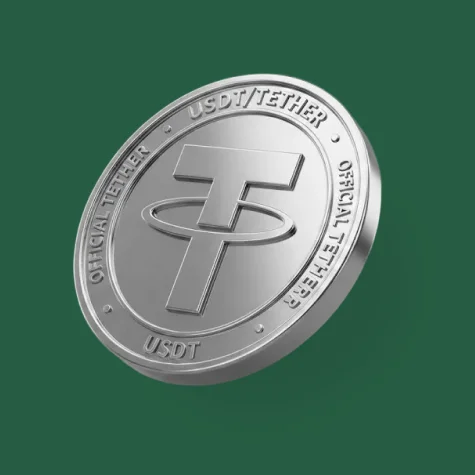
A Tether afirma ter congelado mais de US$ 1.5 bilhão em USDT em 30 minutos após o ataque à Binance em 29 de outubro, impedindo que os tokens visados fossem movimentados ou trocados pelos atacantes.
The stablecoin issuer disclosed the response on November 2 as Binance continued addressing the breach. For customers awaiting access to their money, the announcement marks a containment step rather than confirmation that the stolen assets have been returned.
Essa distinção é importante para qualquer pessoa que dependa de stablecoins mantidas em corretoras para pagamentos: bloquear fundos roubados, repor os saldos afetados e reativar os saques são partes distintas da resposta.
Principais lições
- Tether says its intervention blocked more than $1.5 billion in USDT linked to the Binance incident.
- A freeze restricts token movement; it does not automatically reimburse customers.
- Binance’s asset-replacement programme and withdrawal reopening require separate operational updates.
What Tether Announced
Na sua Declaração de novembro de 2, Tether said the speed of its response stopped the identified funds before they could be transferred, swapped or laundered.
The company linked its intervention to the wider investigation into the Binance theft, which the FBI attributed to North Korea. The timing and amount of Tether’s freeze are company-reported figures.
The announcement concerns USDT that Tether could restrict. It should not be read as a claim that the issuer controls every cryptocurrency taken in the attack or can reverse all blockchain transfers.
Frozen Funds Are Not Yet Recovered Funds
A freeze prevents the affected tokens from moving under the restriction. Recovery requires further steps to establish how assets can be returned or reissued to the appropriate recipient.
Tether’s announcement separately discussed its broader history of returning funds through reissuance. It did not establish that the entire Binance-linked amount had already completed that process.
This is why headlines about blocked assets need careful reading. A frozen balance may remain part of an investigation, while an exchange still needs resources to meet its obligations to customers.
UPay’s coverage of the USDT freeze following the WazirX hack provides another example of asset restrictions forming one stage of a longer response.
Binance’s Replacement Commitment Is Separate
Binance has said it will absorb the financial impact of the theft using company resources. Its November 4 update reported that approximately 98% of impacted assets had been replenished, with less-liquid tokens taking longer to acquire.
Those replacement purchases are different from recovering the original stolen tokens. They are intended to restore the assets backing customer obligations without requiring every recovery effort to finish first.
As UPay’s Atualização sobre saques na Binance explains, token backing and transfer availability also need separate checks. A replenishment percentage does not confirm that every asset and network is open for withdrawals.
What This Means for Stablecoin Payments
Stablecoins can move between wallets, but issuer controls can still affect their transferability. Tether’s termos publicados describe circumstances involving legal directions, investigations and suspected unlawful activity in which restrictions may apply.
Holding a token in an external wallet therefore does not remove every dependency on its issuer. Custody arrangements and token-level controls address different parts of a payment’s operation.
Para empresas que organizam remessas transfronteiriças, this means checking the token, payment route and provider’s current service status. A stable reference price alone does not guarantee that a particular transfer can be completed immediately.
Customers awaiting withdrawals should use official account information and support channels. A recovery announcement does not justify sending money to someone offering priority access or a shortcut around restrictions. For a payment due today, the relevant evidence is whether the selected withdrawal route works now. For the broader recovery, the evidence is whether restricted assets have been returned and replacement purchases completed. Keeping those questions separate avoids treating progress in an investigation as a promise that every customer can already move every balance.
Conclusão
Tether’s reported intervention kept a substantial amount of Binance-linked USDT from moving further. The next questions concern recovery procedures, completion of replacement purchases and confirmed access to withdrawals. Customers should assess those milestones individually before relying on funds for a payment deadline.