


The United States has imposed sanctions on two Iranian maritime firms accused of operating an Islamic Revolutionary Guard Corps (IRGC)-backed insurance network that allegedly accepted Bitcoin and other digital assets to bypass Western sanctions.
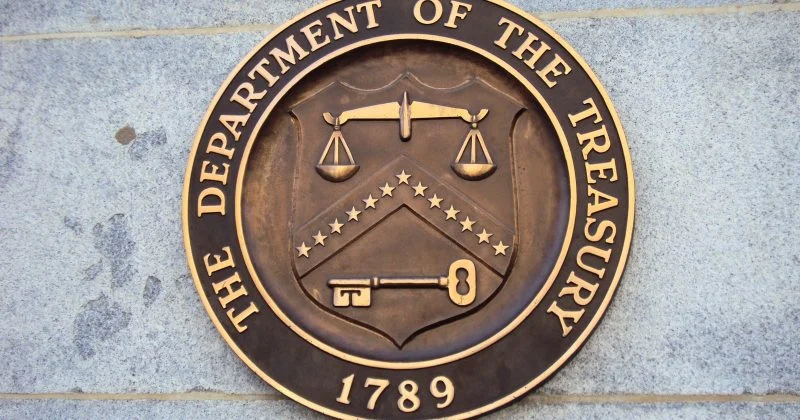
The Office of Foreign Assets Control (OFAC), part of the U.S. Treasury Department, designated the Persian Gulf Marine Insurance Company (PGMIC) and HormuzSafe Marine Services Authority, alleging they helped generate revenue for the IRGC by requiring commercial vessels transiting the Strait of Hormuz to purchase insurance policies payable through cryptocurrency.
Key Takeaways
- The U.S. Treasury sanctioned two Iranian maritime firms over an alleged IRGC-backed insurance scheme.
- OFAC said HormuzSafe accepted Bitcoin and other digital assets to help evade sanctions.
- The insurance network allegedly required ships transiting the Strait of Hormuz to purchase approved coverage.
- The Treasury also sanctioned eight shipping companies and designated eight oil tankers linked to Iran’s shadow fleet.
- The action highlights increasing scrutiny of cryptocurrency’s use in sanctions evasion.
Treasury Targets IRGC-Linked Insurance Network
On July 29, the U.S. Treasury’s Office of Foreign Assets Control announced sanctions against Persian Gulf Marine Insurance Company and HormuzSafe Marine Services Authority.
According to the Treasury, the two entities operated under the umbrella of the Islamic Revolutionary Guard Corps (IRGC) and played central roles in a maritime insurance program covering vessels traveling through the Strait of Hormuz, one of the world’s busiest oil shipping routes.
The Treasury alleged that HormuzSafe, developed with the involvement of Iran’s Ministry of Economy, provided maritime services including insurance, traffic management, security, and emergency response while generating revenue for the IRGC.
Meanwhile, Persian Gulf Marine Insurance Company allegedly issued the insurance policies used within the network.
Insurance Allegedly Tied to Threats Created by Iran
According to U.S. authorities, commercial vessels were effectively required to purchase insurance before transiting the Strait of Hormuz.
The Treasury alleged that the policies covered risks including vessel seizures and harassment by IRGC naval forces, describing the arrangement as a system in which ships paid for protection against threats allegedly created by the same organization benefiting from the payments.
Treasury Secretary Scott Bessent linked the sanctions to Iran’s economic situation.
“With its economy in freefall and inflation in the triple digits, the regime is desperate for cash.”
He added that the United States would not allow Iran to use international shipping to finance the IRGC or hold global commerce hostage.
Bitcoin Allegedly Used to Bypass Sanctions
A key element of the Treasury’s announcement was its claim that HormuzSafe accepted Bitcoin and other digital assets to facilitate payments outside the traditional financial system.
According to OFAC, cryptocurrency payments allowed the network to collect revenue without relying on conventional banking channels that are subject to U.S. sanctions and international financial monitoring. The agency alleged that using digital assets formed part of a broader effort to evade Western financial restrictions while maintaining revenue from maritime traffic.
Earlier reports had suggested Iran was developing a Bitcoin-based maritime insurance platform, and the latest sanctions identify HormuzSafe as part of that effort.
However, the Treasury’s public announcement did not disclose specific wallet addresses, transaction amounts, or blockchain evidence related to the alleged cryptocurrency payments.
Additional Sanctions Target Shipping Network
Alongside the two maritime firms, OFAC also sanctioned eight shipping companies and designated eight oil tankers as blocked property.
According to the Treasury, the companies are registered in jurisdictions including China, Hong Kong, and the Marshall Islands and were involved in transporting Iranian crude oil and petroleum products.
The department said it has now sanctioned more than 100 vessels linked to Iran’s shadow fleet since the beginning of the year as part of an ongoing enforcement campaign.
Crypto Enforcement Continues to Expand
The latest action follows broader U.S. efforts to target cryptocurrency activity linked to sanctioned entities.
Earlier in July, the Treasury sanctioned cryptocurrency wallets allegedly associated with Iran’s central bank, while stablecoin issuer Tether froze approximately $131 million in USDT connected to those addresses.
The HormuzSafe sanctions illustrate another dimension of crypto enforcement, focusing not on wallet operators or exchanges but on companies allegedly using digital assets as payment infrastructure within commercial operations.
The case also underscores the challenges regulators face when cryptocurrency transactions are embedded within legitimate international trade activities rather than traditional financial institutions.
Conclusion
The U.S. sanctions against Persian Gulf Marine Insurance Company and HormuzSafe Marine Services Authority reflect growing efforts to disrupt the use of cryptocurrency in sanctions evasion. According to the Treasury, the two firms operated an IRGC-backed insurance network that accepted Bitcoin and other digital assets while requiring ships transiting the Strait of Hormuz to purchase approved coverage.
In addition to targeting the two companies, the United States expanded sanctions against Iran’s shipping network by designating additional companies and vessels. The enforcement action demonstrates how regulators are increasingly focusing on cryptocurrency’s role in international trade and sanctions compliance as digital assets become more integrated into cross-border financial activity.