


Traditional card payments feel normal until you see what they really cost, which is usually between 2.5% and 3.5% per transaction. Furthermore, you have to wait days for the settlement and could incur chargebacks you can’t do anything about.
However, an ETH payment gateway resolves most of that issue. Ethereum is the second-largest blockchain by market cap and the most widely used blockchain for programmable transactions.
As a result, e-commerce stores, SaaS platforms, and digital agencies alike are now using Ethereum to get paid faster, cheaper, and with less friction than traditional payment rails.
Key Takeaways
- An ETH payment gateway connects your business to the Ethereum blockchain, letting customers pay with ETH or Ethereum-based tokens like USDC and USDT.
- Gas fees, once a major pain point, have fallen to a few dollars on Ethereum and under $0.01 on Layer 2 networks like Arbitrum and Base.
- Top ETH payment gateway providers include Upay, NOWPayments, CoinGate, BitPay, and CoinsPaid.
What Is an ETH Payment Gateway?
An ETH payment gateway is a service that lets your business accept Ethereum and often Ethereum-based tokens like USDC, USDT, and DAI as payment from customers. It connects your website or app to the Ethereum blockchain, manages the technical work in the background, and either deposits ETH into your wallet or converts it into your local currency.
There’s no bank intermediary or card network, just a direct transfer between the customer and your business. What makes Ethereum different from other cryptocurrencies in this context is programmability.
Ethereum supports smart contracts; self-executing pieces of code that can automate payment conditions. A smart contract can release funds automatically when a product ships, split a payment among multiple recipients at the moment it lands, or trigger a subscription charge on a set schedule without a third-party enforcement.
Smart contract interactions account for nearly 62% of all daily transactions on the network, reflecting how much of Ethereum’s activity goes beyond simple transfers.
“Ethereum’s technical efficacy balances complex economic game theory with rigorous software engineering.” – ethereum.org
How an ETH Payment Gateway Works
At its foundation, an ETH payment gateway acts as a middleware solution that bridges your store’s checkout system with the Ethereum blockchain. Here’s what a typical Ethereum payment looks like from start to finish:
Step 1: The customer chooses Ethereum at checkout
At the checkout page, the customer selects Ethereum (ETH) or an Ethereum-based token such as USDC as their preferred payment method.
Step 2: The payment gateway creates the payment request
The gateway instantly generates a unique wallet address along with an invoice displaying the exact amount of ETH required for the transaction. For mobile users, the system also generates a QR code that they can scan directly for faster payments.
Step 3: The customer completes the transfer
The customer opens their preferred crypto wallet, such as MetaMask, Coinbase Wallet, Trust Wallet, or any compatible alternative, and sends the payment to the provided address.
Step 4: The Ethereum network verifies the transaction
Once the payment is sent, the transaction is broadcast to the Ethereum blockchain for verification. Depending on network activity, this process can take anywhere from a few seconds to several minutes.
Step 5: The payment is settled
After the transaction is confirmed, the gateway automatically updates your system and processes the settlement based on your chosen setup. The funds can either be transferred directly to your crypto wallet as ETH or converted into fiat currency and deposited into your bank account.
Why Businesses Are Choosing an ETH Payment Gateway
Global merchant adoption of cryptocurrency keeps rising, with crypto holders now estimated at more than 420 million worldwide. Ethereum’s role as a settlement layer continues to expand, driven by institutional adoption, Layer 2 networks, and real-world asset tokenization.
Let’s take a brief look at why ETH payment gateways are gaining popularity with businesses:
Lower Fees Than Card Networks
Card networks take 2.5% to 3.5% of each sale. ETH payment gateways typically charge 0.5% to 1%. For a business processing $200,000 a month, that’s a potential saving of $2,000 to $5,000 every month.
Moreover, with Layer 2 networks, the Ethereum blockchain transaction fees (gas fees) have dropped to the point where they’re barely noticeable for most payments. A few years ago, gas fees were a real problem.
During busy periods, a single transaction could cost $20 to $50 or more, making small purchases uneconomical. That’s a legitimate reason businesses hesitated to use Ethereum for payments.
Average Ethereum gas fees have since fallen to around $3.78 per transaction, down from about $5.90 a year earlier. That drop came largely from user volume migrating to Layer 2 networks like Arbitrum and Base, which eased congestion on Ethereum’s Layer 1 chain.
No Chargebacks
Ethereum transactions are final. Once confirmed on the blockchain, they cannot be reversed or disputed. Chargebacks cost merchants an estimated $34 billion globally in 2025, a figure projected to keep climbing, and many disputes are fraudulent.
The switch to Ethereum is worth considering for digital product businesses, subscription services, and anyone who has dealt with fraudulent chargebacks.
Borderless by Default
Ethereum doesn’t care where your customer is. A buyer in Lagos pays the same way as one in London. There are no cross-border fees, no currency conversion delays, and no bank restrictions blocking the transaction.
Ethereum-based payments, including ETH and ERC-20 tokens, make up a large share of global crypto payment traffic, and stablecoins have become a common rail for cross-border transfers.
Access to Stablecoins
This is a practical advantage many businesses overlook. When you accept ETH payments through a gateway, you often also accept USDC and USDT; dollar-pegged stablecoins that run on the Ethereum blockchain.
Customers pay in stablecoins, while you receive stable value without exposure to ETH price swings. For merchants who want the benefits of crypto payments without the volatility, stablecoins are the answer.
Transparency
Ethereum delivers a high level of transparency by recording every transaction on a publicly accessible blockchain ledger. Because the network permanently stores and verifies each transaction, anyone can independently track the movement of funds in real time.
This open structure builds greater trust, accountability, and confidence among participants.
“For online stores, accepting Ethereum is no longer just a tech-forward choice. It’s a practical way to reach global customers and reduce payment friction.” – Zengo Business
What Are ERC-20 Tokens and Why Do They Matter for Payments?
The most useful ERC-20 tokens for payments are stablecoins:
- USDC (USD Coin): A fully backed, U.S. dollar-pegged stablecoin recognized for its strong regulatory compliance, transparency, and reserve management practices.
- USDT (Tether): The most widely traded stablecoin, with trillions of dollars in annual transaction volume across global crypto markets.
- DAI: A decentralized stablecoin designed to maintain its U.S. dollar peg through blockchain-based smart contracts and collateralized digital assets, without relying on a centralized issuer.
For example, imagine you run a SaaS business with customers in the US, Europe, and Southeast Asia. A customer in Singapore wants to pay their monthly subscription. Instead of dealing with international wire transfers and 3–5 day settlement windows, they send USDC from their Ethereum wallet.
It arrives in seconds; your gateway converts it to USD and delivers it to your bank account the same day.
Top ETH Payment Gateway Providers
Here are some of the top ETH payment gateway providers worth considering:
UPBusiness: Best for global transactions

Source: Upay.best
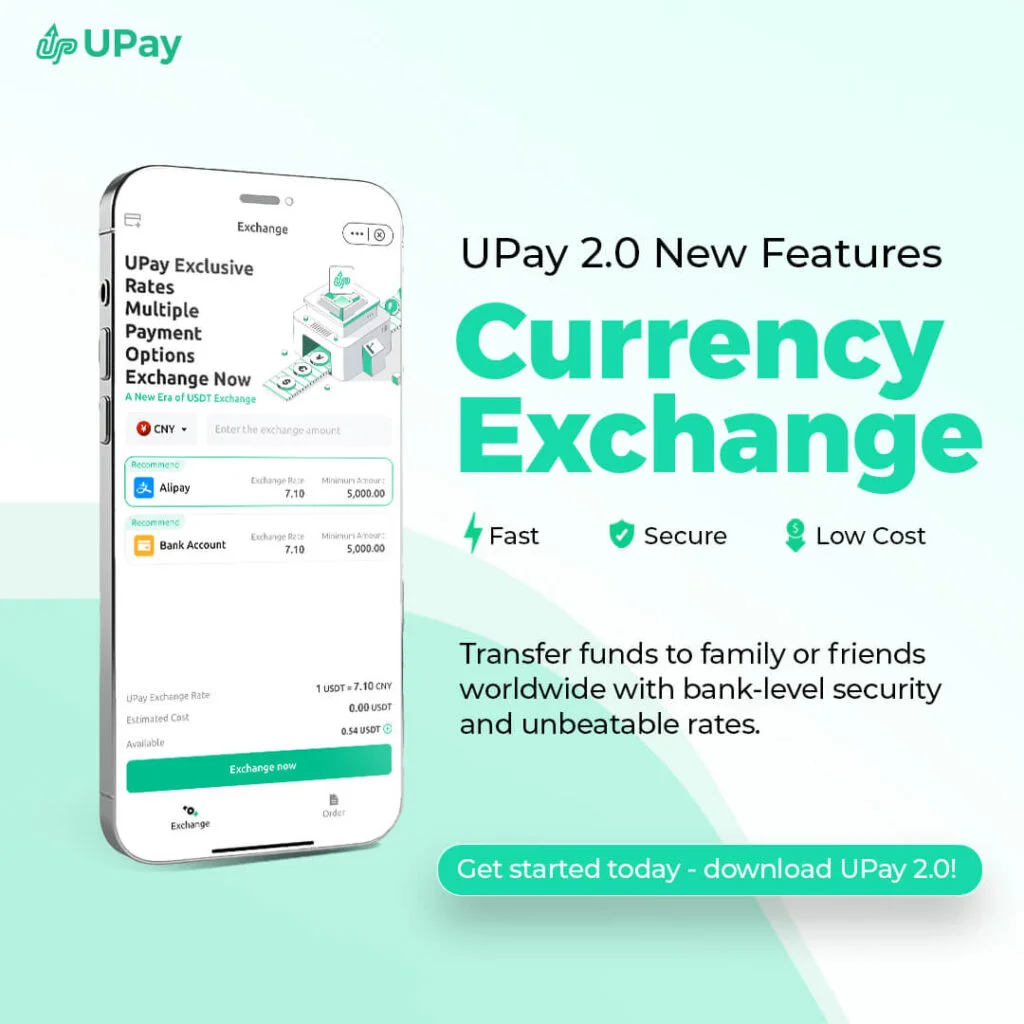
UPBusiness stands out as a fast-growing crypto payment platform that combines payment processing, crypto cards, and business infrastructure in one ecosystem. The platform offers both virtual and physical crypto cards that support global spending through Apple Pay and Google Pay integrations.
Businesses can access a dedicated API for payment collection, payouts, invoicing, and merchant management, which makes integration straightforward for eCommerce stores, apps, and DApps.
Upay supports major cryptocurrencies, including BTC, ETH, USDT, USDC, and 50+ other digital assets. It also features advanced risk monitoring and real-time fraud detection. The company treats regulatory compliance, security, encryption, and risk management as core pillars of its infrastructure
NOWPayments: Ideal for merchants seeking maximum flexibility
Source: nowpayments.io
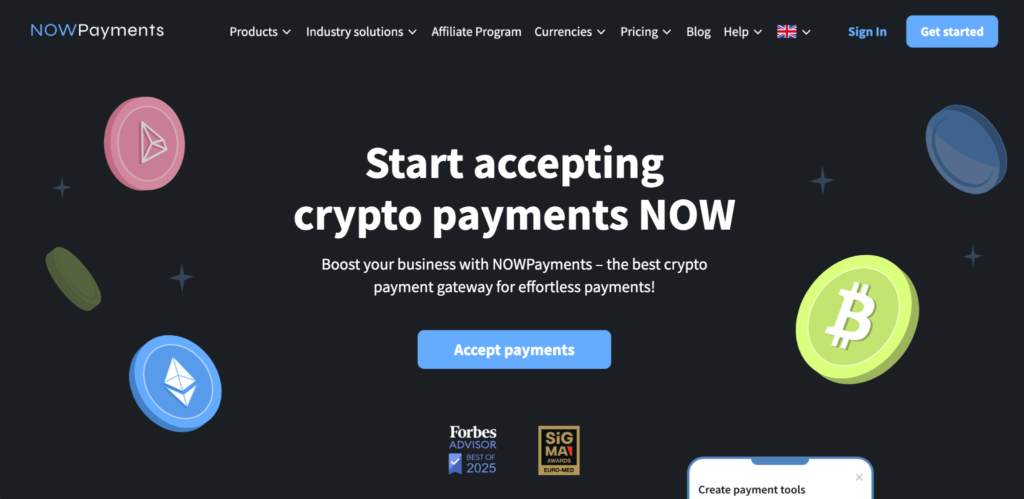
NOWPayments supports more than 300 cryptocurrencies, including ETH and leading ERC-20 tokens, making it one of the most versatile crypto payment solutions available. The platform charges transaction fees starting at just 0.5%, placing it among the most cost-effective hosted payment providers on the market.
With a reported 99.99% API uptime, NOWPayments integrates with major eCommerce platforms such as Shopify, WooCommerce, and Magento. Merchants can also enable automatic fiat conversion, which reduces exposure to crypto volatility while keeping checkout simple.
CoinGate: Suitable for European businesses
Source: coingate.com
CoinGate stands out as a strong option for businesses operating in regulated markets. Licensed under the European Union’s MiCA framework, the platform processed more than 1.42 million payments across over 180 countries in 2025.
The service supports settlements in EUR, USD, and GBP while maintaining a flat 1% transaction fee. CoinGate also integrates with popular eCommerce platforms, including WooCommerce, Magento 2, PrestaShop, and OpenCart. For EU-based companies that prioritize compliance and regulatory clarity, CoinGate offers a dependable solution.
BitPay: Best for enterprises and high-volume merchants
Source: bitpay.com
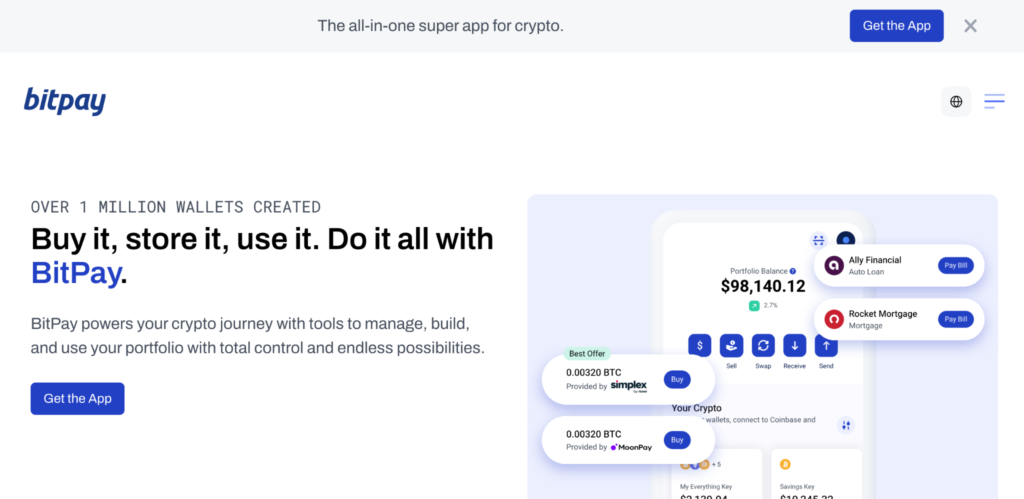
BitPay remains one of the most established crypto payment gateways in the industry. Major companies such as Microsoft and AMC Theatres use the platform to process crypto transactions.
The gateway supports Ethereum, Bitcoin, and several stablecoins with daily fiat settlements directly to bank accounts. Merchants can integrate BitPay with Shopify, WooCommerce, and Magento through dedicated plugins. BitPay’s fees are tiered by monthly volume, starting around 1% for the highest-volume merchants and rising to about 2% plus a small per-transaction fee for smaller ones. It also supports Bitcoin’s Lightning Network, which makes it well suited to businesses processing large transaction volumes.
CoinsPaid: Ideal for businesses seeking a complete payment ecosystem

Source: coinspaid.com
CoinsPaid delivers a full crypto payment infrastructure designed for enterprise use. The EU-licensed platform supports more than 24 cryptocurrencies and includes features such as automated invoicing, real-time transaction monitoring, and instant crypto-to-fiat conversion.
To strengthen security, CoinsPaid uses two-factor authentication, anti-fraud systems, and multi-layer encryption. Businesses searching for a fully managed and scalable payment ecosystem may find CoinsPaid particularly appealing.
How to Choose the Right ETH Payment Gateway
Choosing the right ETH payment gateway depends on your business needs, technical setup, and customer preferences. Before making a decision, consider the following factors carefully.
Payments Channel
Start by determining whether you want payments settled in fiat currency or directly in crypto. If your business prefers receiving funds straight into a bank account, providers like Upay, CoinGate, and BitPay are strong options because they handle crypto-to-fiat conversion and direct settlement automatically.
If you are comfortable holding ETH, USDC, or USDT, platforms such as NOWPayments provide greater flexibility and broader crypto support.
Team’s Technical Expertise
Your team’s technical capabilities should also influence your choice. If you want a quick and simple setup, Upay and NOWPayments offer plugin-based integrations that require little to no coding knowledge. These solutions work well for small businesses and merchants looking for a fast deployment process.
For companies that need advanced customization, enterprise-focused providers like CoinsPaid and BitPay offer strong APIs and developer tools that support tailored payment infrastructures and deeper integrations.
E-commerce Platform Compatibility
Before committing to a provider, confirm that it supports your e-commerce platform. Most leading ETH payment gateways integrate smoothly with popular platforms like WooCommerce and Shopify.
However, if your store runs on platforms such as Magento, PrestaShop, or a custom-built system, you should verify compatibility in advance to avoid technical issues later.
Regulatory Requirements
If your business operates in Europe, regulatory compliance has become increasingly important. With the introduction of Markets in Crypto-Assets (MiCA) regulations, merchants now need payment providers that meet evolving compliance standards.
In this area, CoinGate stands out as one of the clearest options for businesses seeking fully licensed crypto payment infrastructure within the European Union.
Customers’ Payment Preferences
Finally, think about how your customers prefer to pay. If your audience is highly crypto-native, supporting stablecoins such as USDC and USDT through your ETH payment gateway can improve checkout convenience and increase conversion rates.
Many crypto users prefer stablecoins because they reduce exposure to market volatility while still enabling fast blockchain-based transactions.
Risks to Know Before You Start
Here are some risk factors you need to be cautious of when using an ETH payment gateway:
Volatility
Crypto price swings can directly impact business revenue. If the value of ETH drops before conversion, businesses may lose a portion of their earnings. The easiest way to reduce this risk is by using instant fiat conversion, which automatically converts crypto payments into traditional currency at the time of the transaction.
Businesses can also choose to accept stablecoins like USDC, which maintain a more stable value and help avoid major price fluctuations.
Gas Fee Spikes
Although Ethereum transaction fees have become more affordable over time, network congestion can still trigger sudden gas fee increases. These spikes may affect both merchants and customers during peak activity periods.
Businesses can minimize this issue by using Layer 2-compatible payment gateways or accepting stablecoins on Layer 2 networks. These solutions sharply lower transaction costs and improve the payment experience for everyday purchases.
Regulatory Changes
The global regulatory environment for crypto payments continues to evolve rapidly. In Europe, the MiCA regulation is now fully active, changing how crypto payment providers operate across the region.
Meanwhile, the United States Securities and Exchange Commission (SEC) continues to shape the monitoring and enforcement of digital asset payment services in the US. To remain compliant, businesses should work with licensed and reputable payment providers while also reviewing the local regulations that apply to their market.
Seeking legal or compliance guidance can help avoid unnecessary risks as regulations continue to develop.
Irreversible Transactions
Ethereum transactions are irreversible by design. Once a payment is completed, it cannot be automatically reversed or refunded. This means that businesses must handle refunds manually whenever customer disputes or legitimate complaints arise.
Therefore, before launching crypto payment support, merchants should create a clear and transparent refund policy so customers understand how disputes and reimbursements will be managed.
Final Thoughts
The case for an ETH payment gateway is practical. Lower fees, no chargebacks, instant global reach, and the flexibility to accept both ETH and dollar-pegged stablecoins. These are real advantages that translate into real money for your business.
The infrastructure is ready, with Ethereum handling millions of transactions daily, Layer 2 networks driving gas fees to near zero, and the global crypto payment gateway market continuing to grow rapidly. The next step is to take advantage of these benefits for personal and business use.